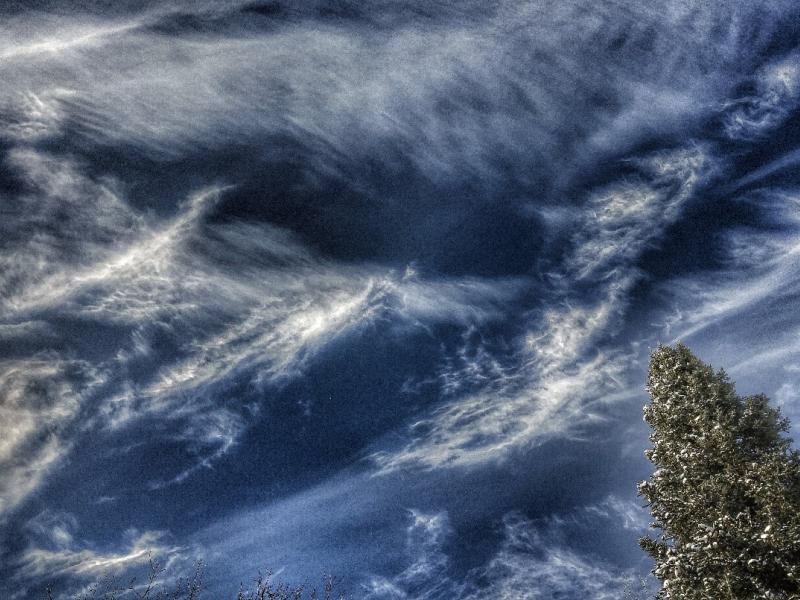
Researchers developed a strategy for quantifying the numerical errors in global simulations of atmospheric clouds and attributing them to components in the computational model.
A new decomposition method allows scientists to unravel the atmosphere-ice-ocean interactions that drive Arctic sea ice changes under increasing carbon dioxide levels.
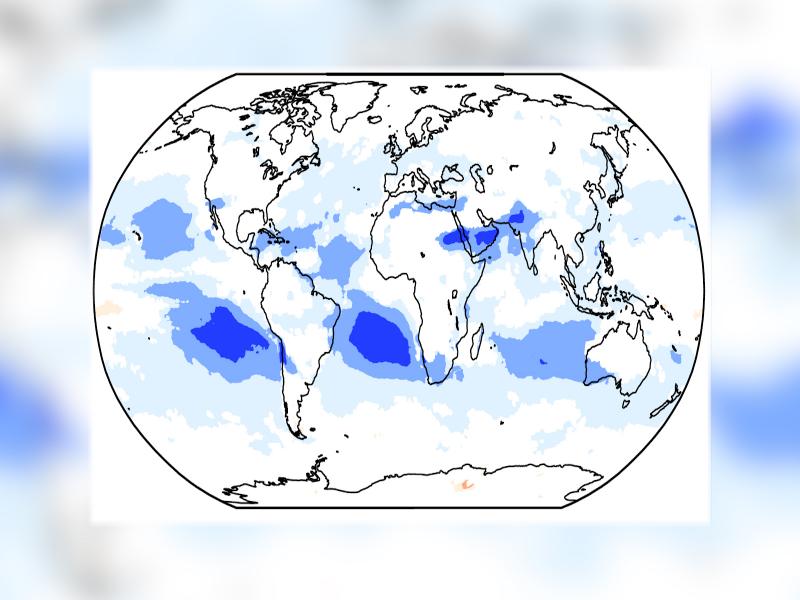
The persistent double-ITCZ bias in Earth system models influences projections of future precipitation in regions that are already under severe water stress.
High school students from across Washington State competed in the Pacific Northwest Regional Science Bowl, hosted online by PNNL, for a chance to advance to the national competition in May.
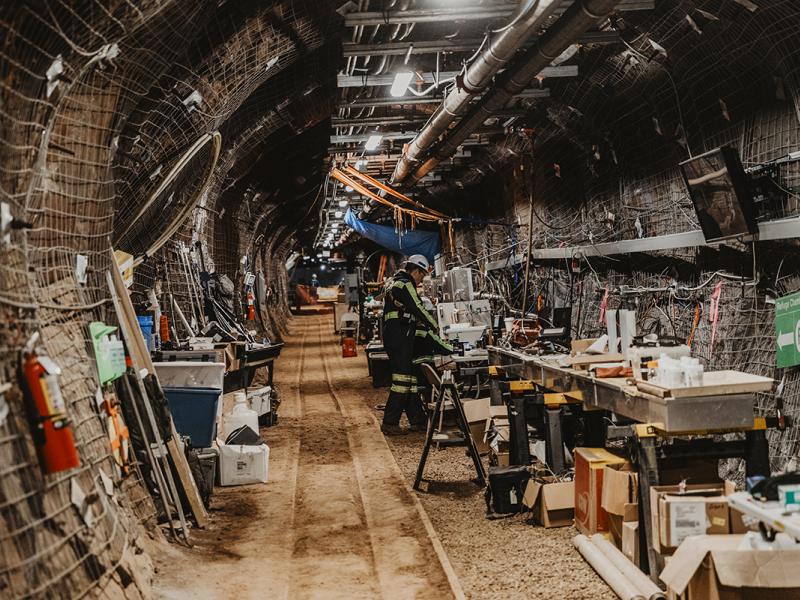
A team of researchers from 10 national laboratories and eight universities is conducting hydraulic shearing tests to explore the potential for geothermal energy at the Sanford Underground Research Facility (SURF).
Calculating the multi-region and multisector effects of water scarcity for thousands of possible future socioeconomic, climate, and hydrologic scenarios.
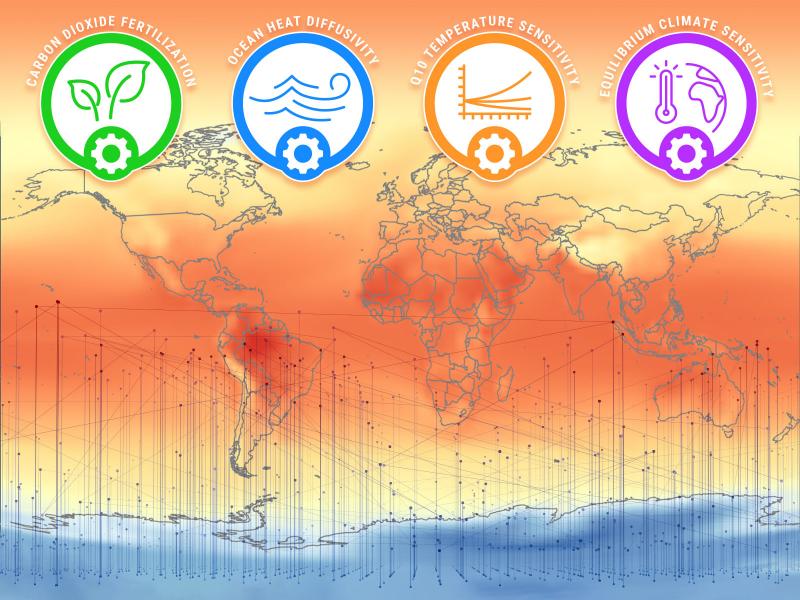
An overview of the Energy Exascale Earth System Model project describing its goals, science drivers, and development and highlighting its key findings.