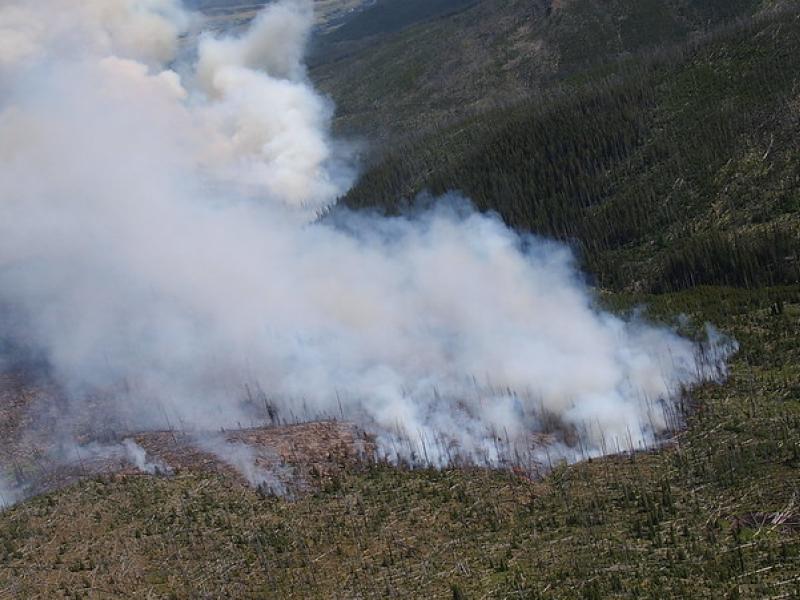
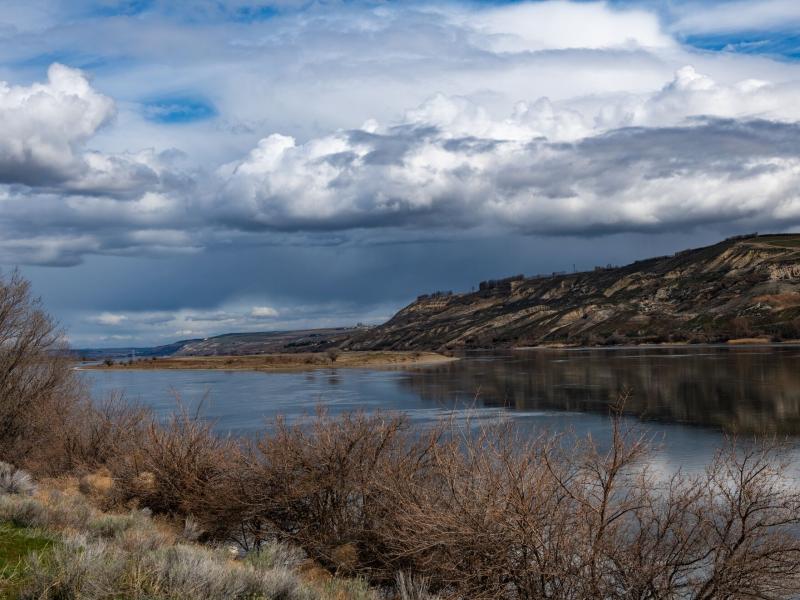
This study used historical data, remote sensing, and aquatic sensors to measure how far wildfire impacts propagated through the watershed after the 2022 Hermit’s Peak/Calf Canyon fire, New Mexico’s largest wildfire in history.
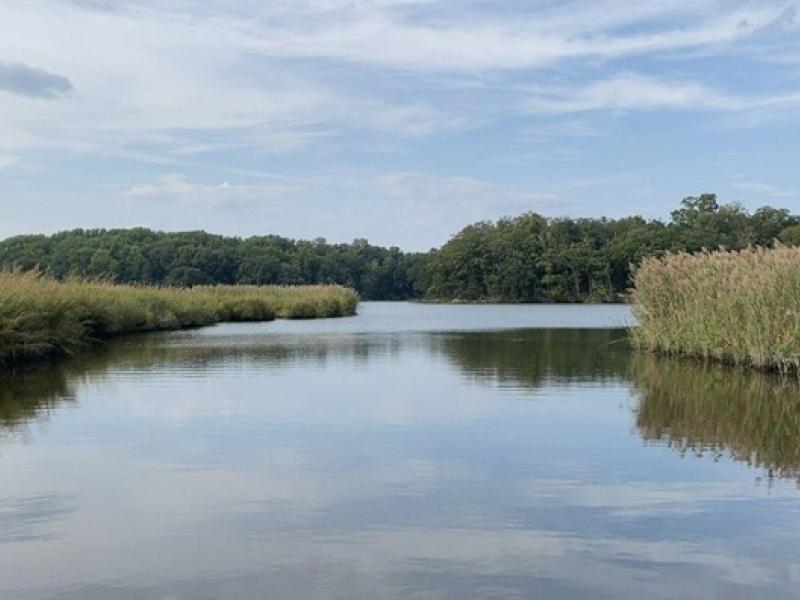
The Coastal Observations, Mechanisms, and Predictions Across Systems and Scales: Field, Measurements, and Experiments project established a network of observational field sites across Chesapeake Bay and western Lake Erie.
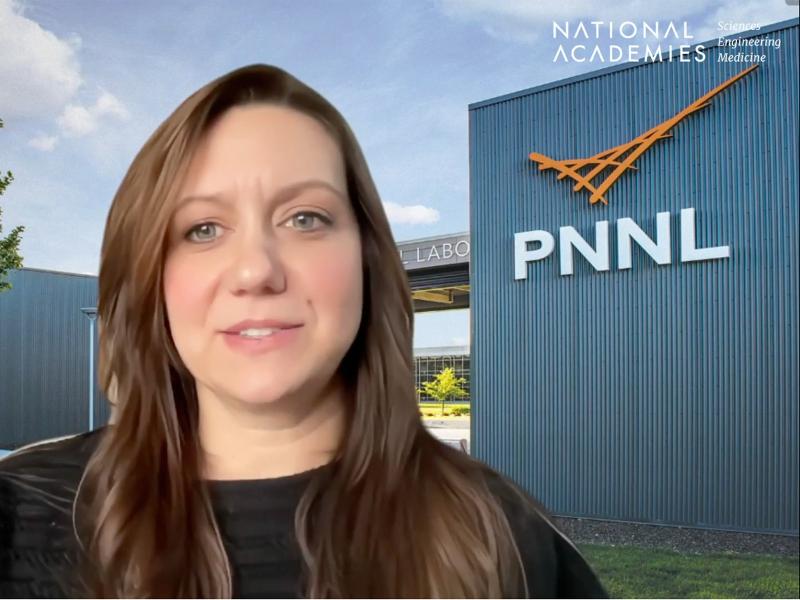
Lauren Charles, a chief data scientist at PNNL, showcased the vital research coming out of her program at The National Academies Forum workshop in Washington, D.C., January 15–16, 2025.
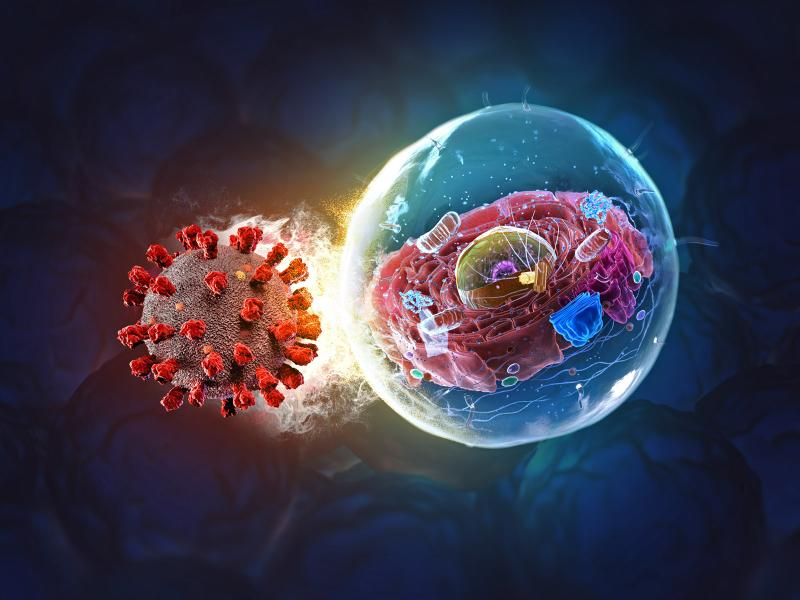
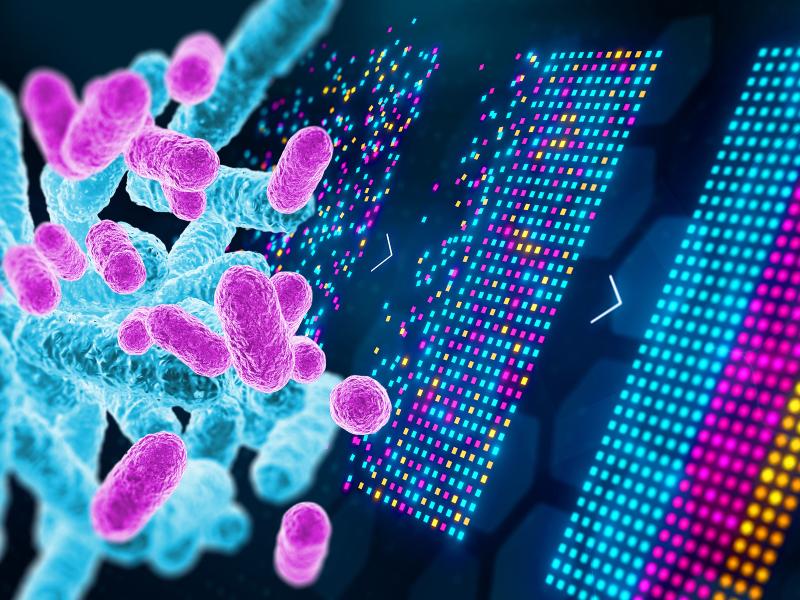
PNNL biodefense experts seek to identify, understand and mitigate the risks of biological pathogens—whether naturally occurring or intentionally created—so steps can be taken to prepare and respond.
Research at PNNL and the University of Texas at El Paso are addressing computational challenges of thinking beyond the list and developing bioagent-agnostic signatures to assess threats.
Madalina Man, an international compliance analyst, recently lent her legal expertise to an International Atomic Energy Agency International Physical Protection Advisory Service Mission in Zambia.
Chanel Chauvet-Maldonado, nonproliferation policy and law analyst, completed the Organization for Economic Co-operation and Development Nuclear Energy Agency International School of Nuclear Law program.
The diversity and function of organic matter in rivers at a large scale are influenced by factors, such as the types of vegetation covering the land, the energy characteristics, and the breakdown potential of the molecules.
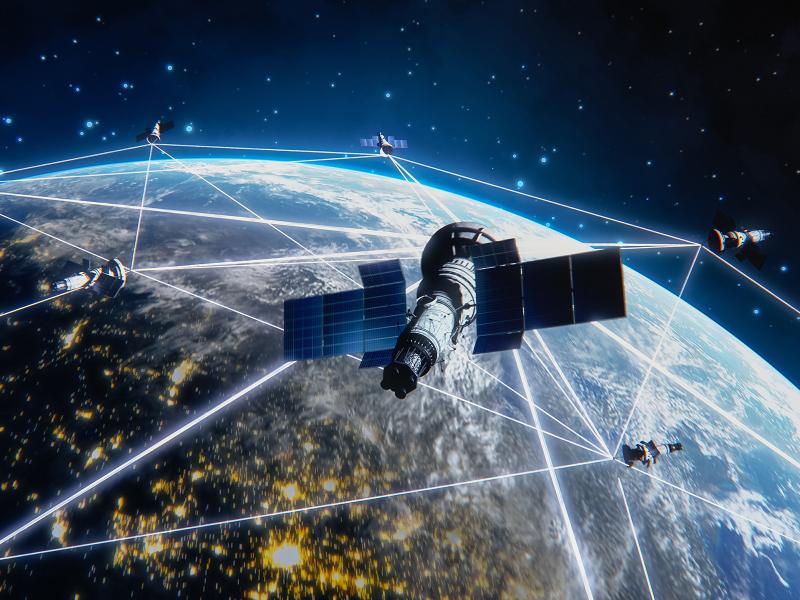
Kathleen Doty recently shared legal insight on the challenge of space debris in her presentation “Regulating Space Junk” as part of the University of Georgia School of Law’s Spring 2023 Space Law Speaker Series.
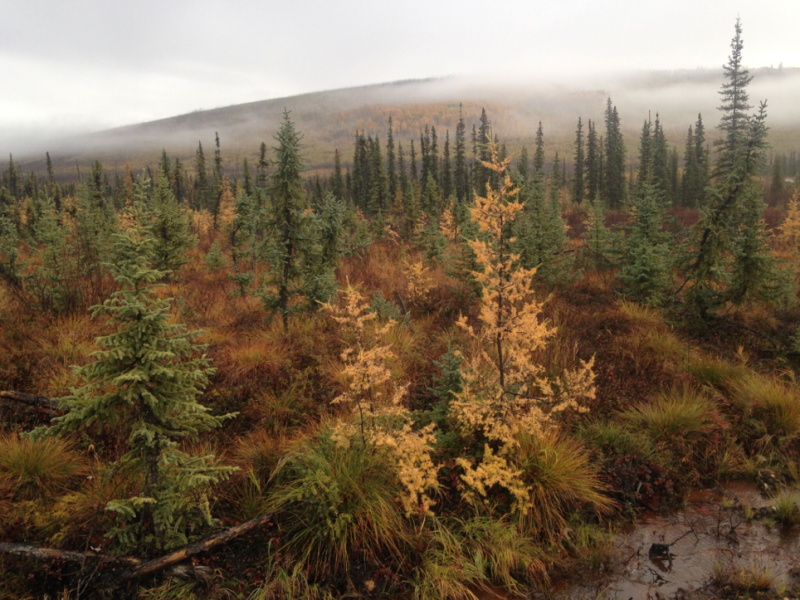
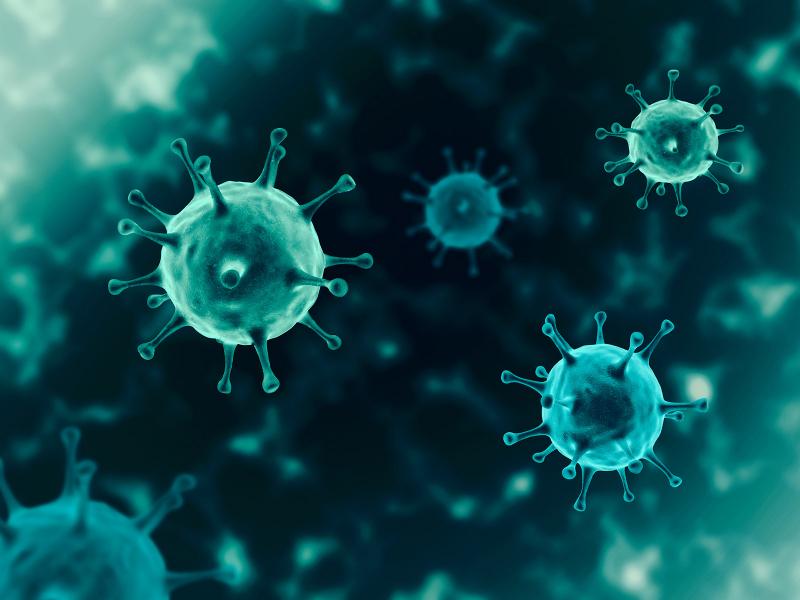
Microbes that were previously frozen in soils are becoming more active. This study demonstrates the diverse RNA viral communities found in thawed permafrost.
Kate Doty was invited to lend her expertise as guest editor for the International Journal of Nuclear Security on a special issue on women in nuclear security.
Diefenderfer, Earth scientist who focuses on coastal ecosystems at PNNL, recently published “Ten Years of Gulf Coast Ecosystem Restoration Projects Since the Deepwater Horizon Oil Spill,” a cover article.