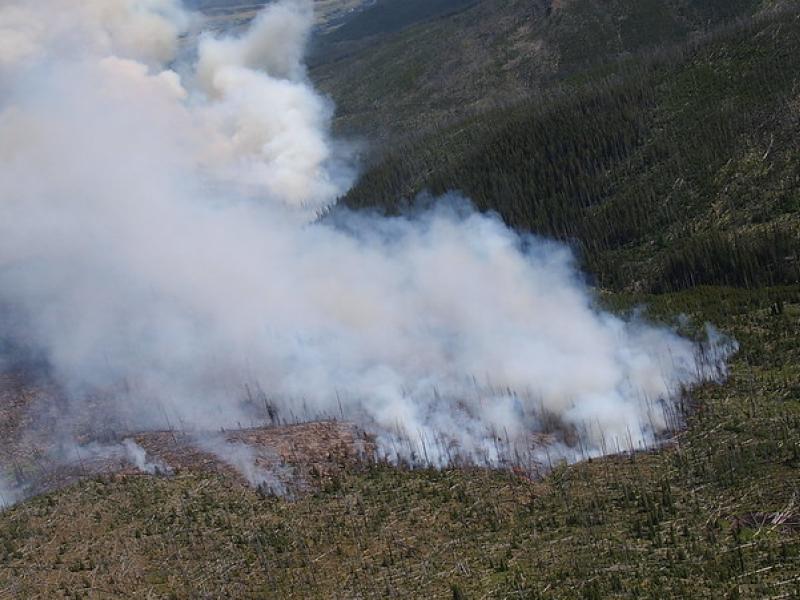
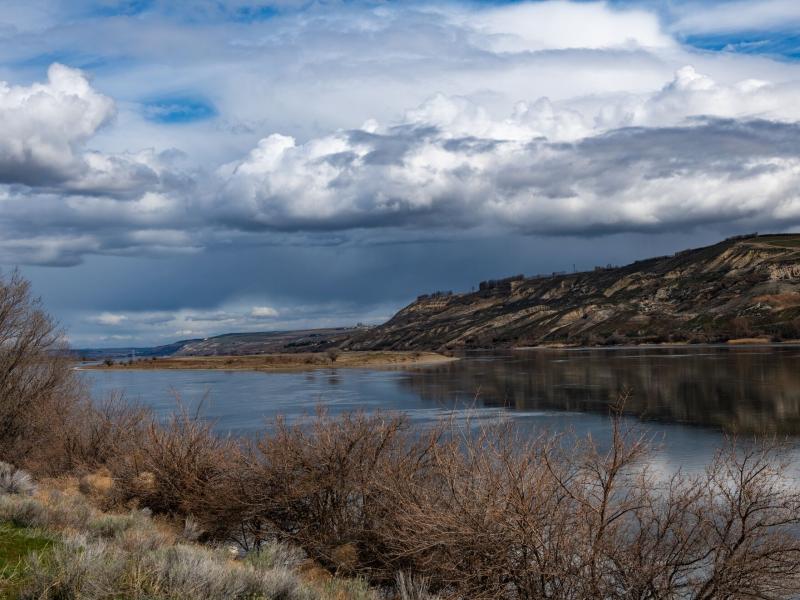
This study used historical data, remote sensing, and aquatic sensors to measure how far wildfire impacts propagated through the watershed after the 2022 Hermit’s Peak/Calf Canyon fire, New Mexico’s largest wildfire in history.
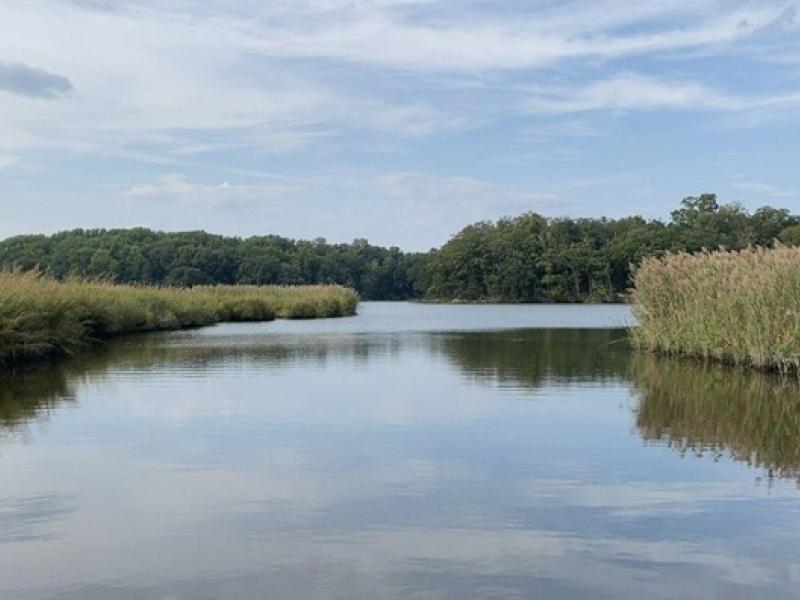
The Coastal Observations, Mechanisms, and Predictions Across Systems and Scales: Field, Measurements, and Experiments project established a network of observational field sites across Chesapeake Bay and western Lake Erie.
Led by interns from multiple DOE programs, a newly expanded dataset allows researchers to use easy-to-obtain measurements to determine the elemental composition of a promising carbon storage mineral.
PNNL was well represented at the NAWEA/WindTech 2024 Conference with 13 PNNL experts at the conference sponsored by the North American Wind Energy Academy.
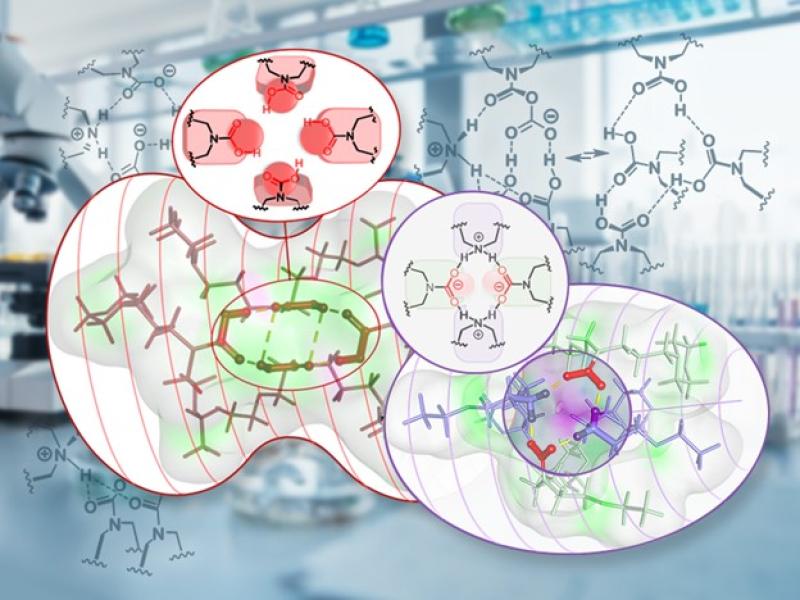
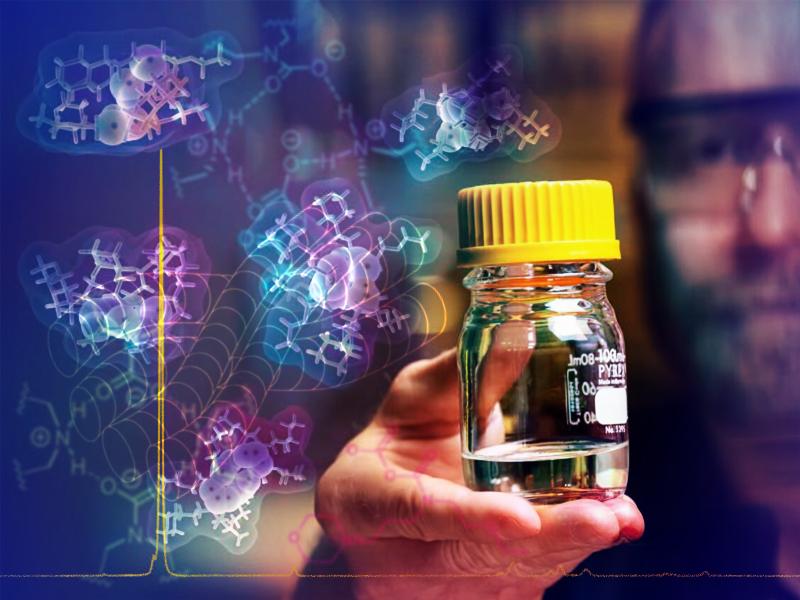
New research investigating water-lean solvents for carbon dioxide capture identifies the unique chemistry possible with their use, may lead to new design principles that move beyond single carbon capture.
Andrew White goes back to his alma mater, Georgia Tech, as young alumni keynote speaker for the Sustainability Showcase, part of the university’s larger Sustainable Development Goals Action & Awareness Week.
There are many ways that researchers at PNNL bring unique perspectives to the field of distributed wind. One is the fact that PNNL's distributed wind projects are all led by women.
PNNL had a significant presence at October’s North American Wind Energy Academy/WindTech 2023 Conference in Denver, Colorado. Thirteen PNNL wind experts participated in various capacities.
Department of Energy’s Advanced Research Projects Agency-Energy selects PNNL project to help accelerate the development of marine carbon dioxide removal technologies.
The diversity and function of organic matter in rivers at a large scale are influenced by factors, such as the types of vegetation covering the land, the energy characteristics, and the breakdown potential of the molecules.