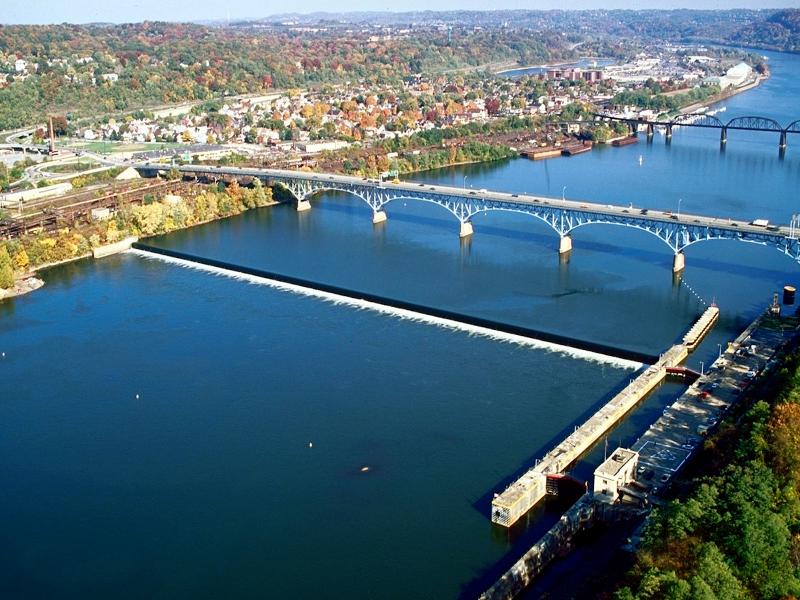
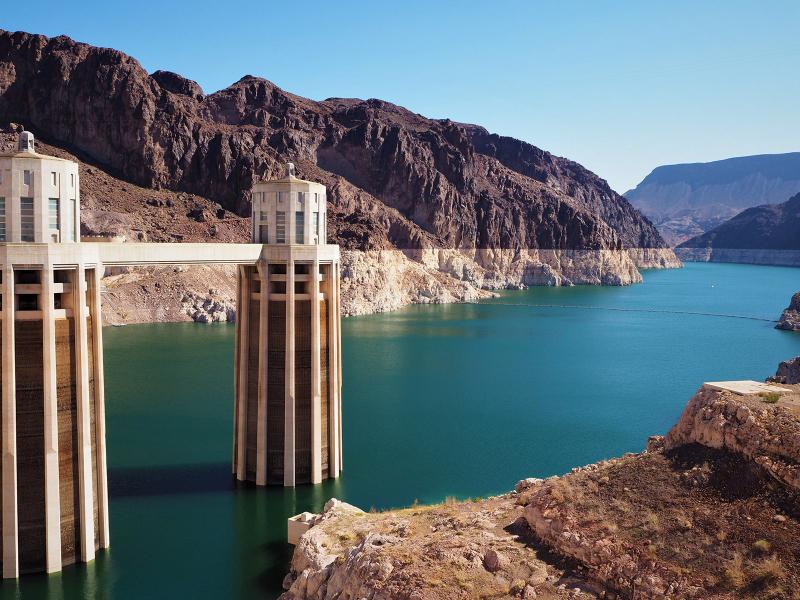
A modeling study shows that adding batteries to a dam could decrease the wear and tear on hydropower turbines and open up new opportunities for dam operators to earn revenue.
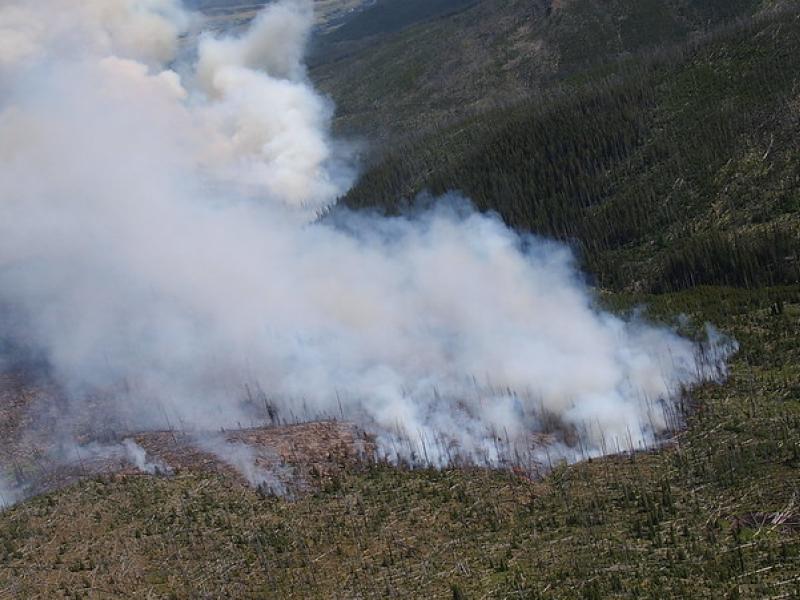
This study used historical data, remote sensing, and aquatic sensors to measure how far wildfire impacts propagated through the watershed after the 2022 Hermit’s Peak/Calf Canyon fire, New Mexico’s largest wildfire in history.
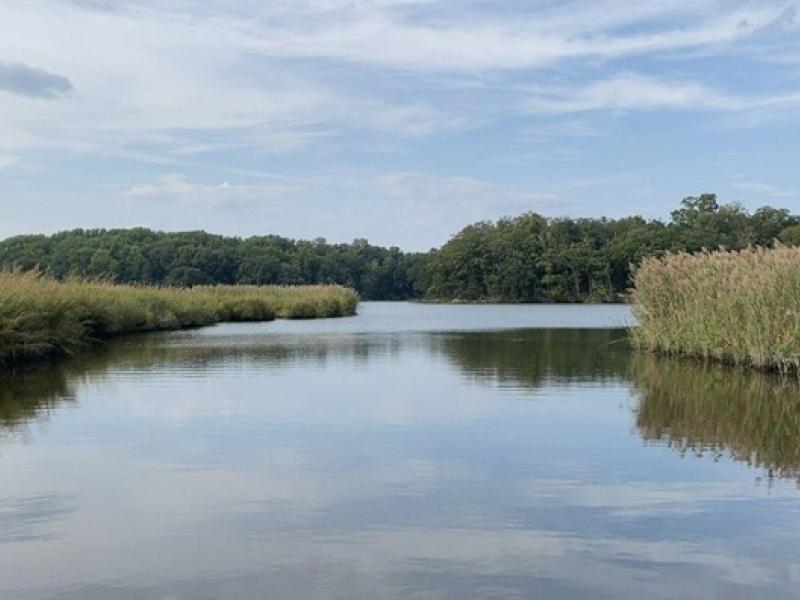
The Coastal Observations, Mechanisms, and Predictions Across Systems and Scales: Field, Measurements, and Experiments project established a network of observational field sites across Chesapeake Bay and western Lake Erie.
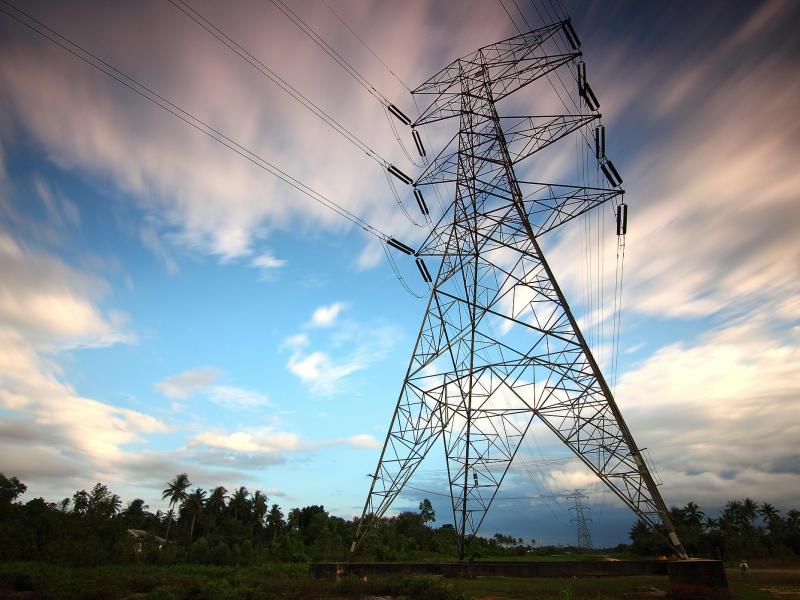
A new analysis shows how renewable energy sources like solar, wind and hydropower respond to climate patterns, and how utilities can use this data to save money and invest in energy storage.
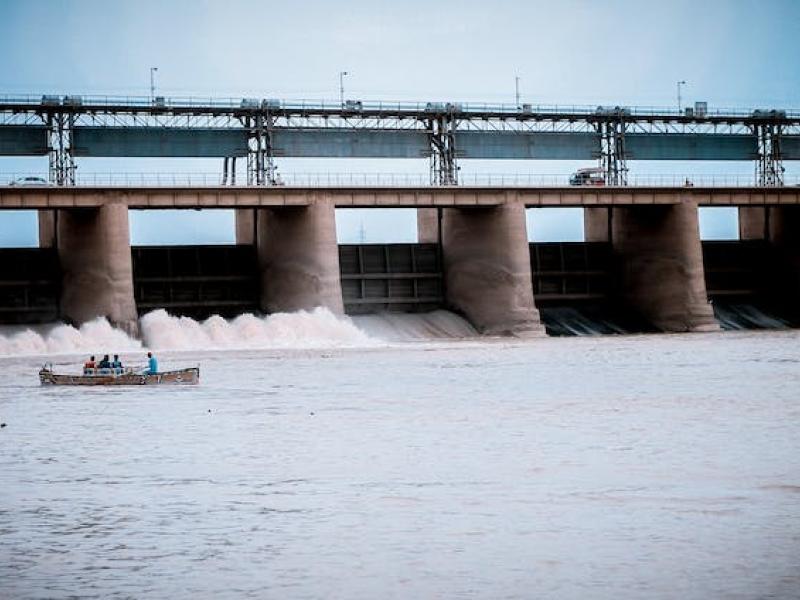
A new digital twin platform can help hydropower dam operators by providing accurate and predictive models of physical turbines that improve facilities and enhance reliability.
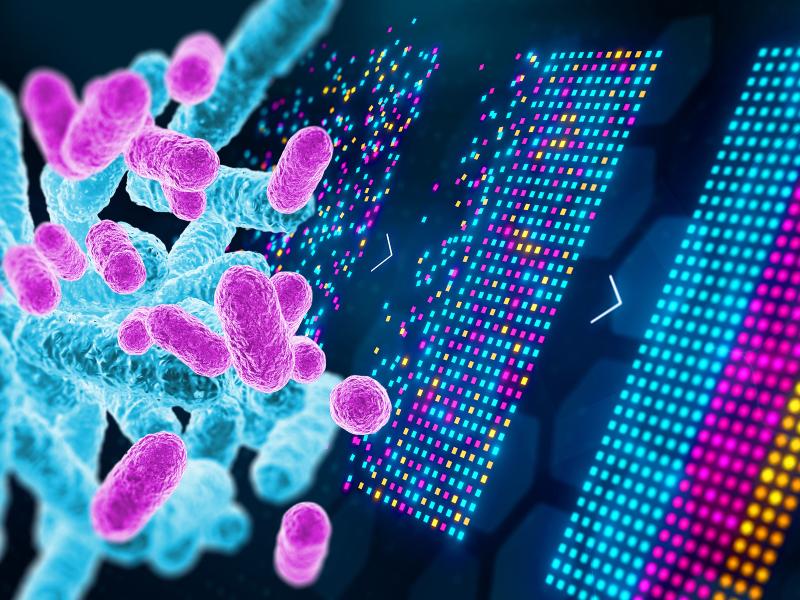
PNNL biodefense experts seek to identify, understand and mitigate the risks of biological pathogens—whether naturally occurring or intentionally created—so steps can be taken to prepare and respond.
Although climate change may bring increased precipitation to many parts of the United States, some areas may face drier conditions and lower streamflow, resulting in decreased hydropower generation.
Research at PNNL and the University of Texas at El Paso are addressing computational challenges of thinking beyond the list and developing bioagent-agnostic signatures to assess threats.
New methodological approach demonstrates how to assess the economic value, including non-traditional value streams, of converting non-powered dams to hydroelectric facilities.
A PNNL study developed a water management module for Xanthos that distinguishes between the operational characteristics of hydropower, irrigation, and flood control reservoirs.
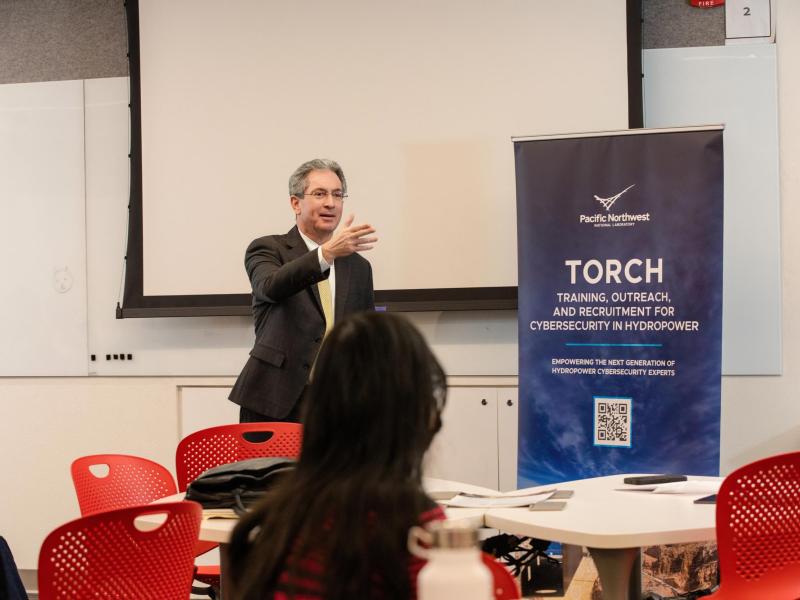
Pacific Northwest National Laboratory launches the Training Outreach and Recruitment for Cybersecurity Hydropower program at the University of Texas at El Paso.
The diversity and function of organic matter in rivers at a large scale are influenced by factors, such as the types of vegetation covering the land, the energy characteristics, and the breakdown potential of the molecules.
At the Nonproliferation, Counterproliferation, and Disarmament Science Gordon Research Conference, researchers from PNNL shared research and scientific approaches for countering diverse threats.
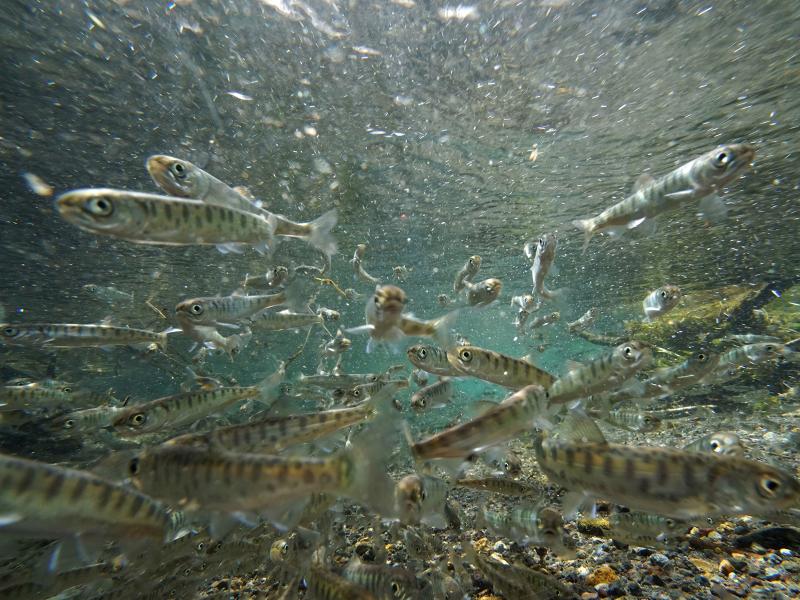
Fish biologist Brenda Pracheil has been named chair of the Low Impact Hydropower Institute focused on reduction of impacts of hydropower dams on the environment.