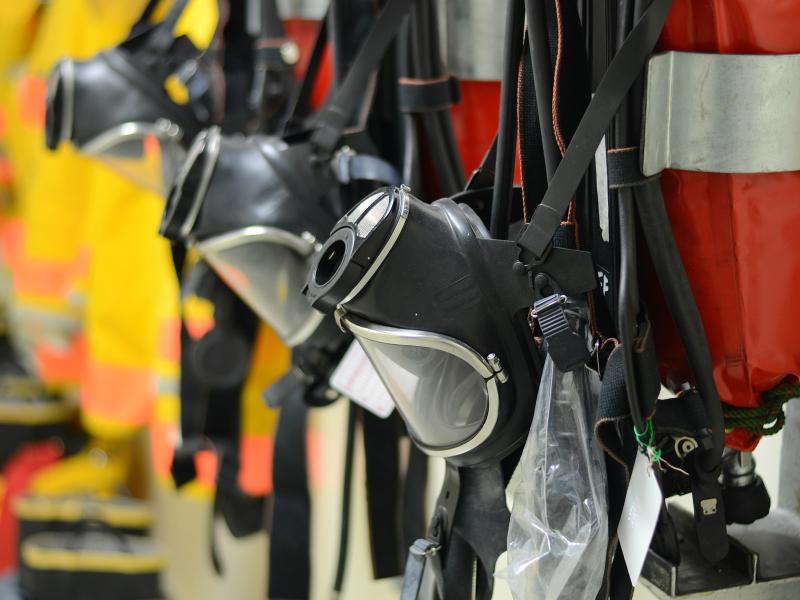
A team of researchers received an award for their contributions to improving the operational readiness and safety posture of the firefighter community by conducting a rigorous evaluation of commercially available equipment.
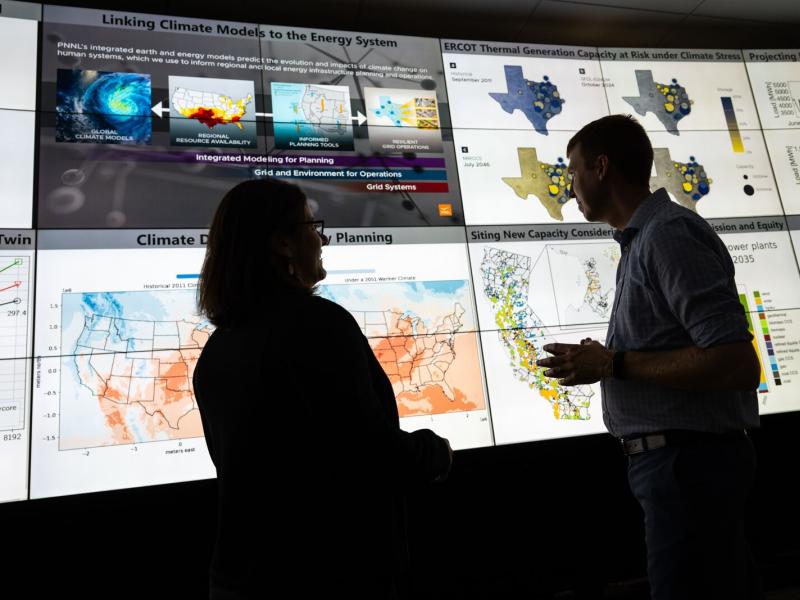
Researchers use models to represent relationships between climate and socio-economic processes, helping inform decisions for slowing climate change and enhancing resilience.
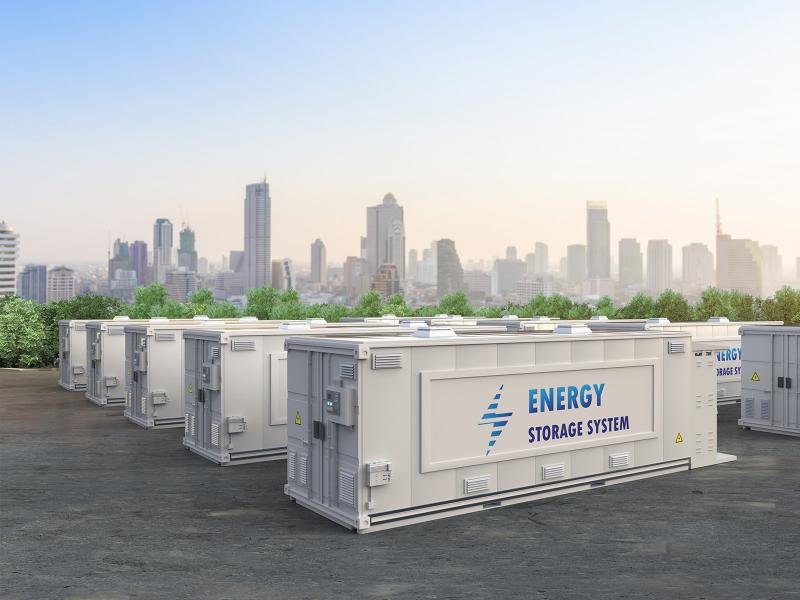
Battery energy storage systems are being proposed in municipalities across the U.S. PNNL researchers can help community planners guide safe siting and operations.
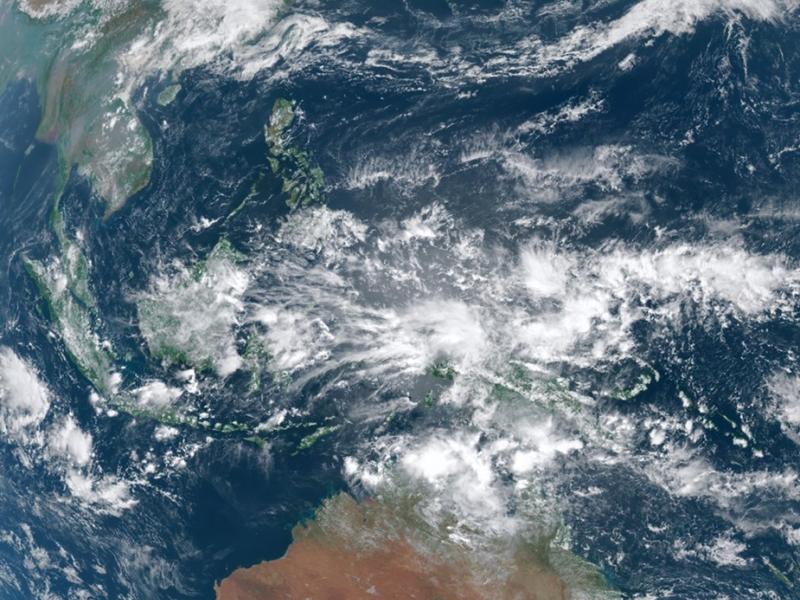
The roles of the various environmental variables in the transition from suppressed to active tropical precipitation regimes are characterized using statistical analysis and machine learning.
This study revealed that fresh organic vapors are soluble in particulate organics that are actively growing in size. However, if the particulate matter ages, fresh organic vapors can no longer mix with the organic matter.
Partitioning measured ice nucleating particle concentrations into individual particle types leads to a better understanding of the sources and model representations of these particles.
A modeling study finds that multiple factors almost perfectly balance under anthropogenic greenhouse gas forcing, leaving no footprint on the dynamically induced ocean heat storage in the Southern Ocean.
Claudia Tebaldi, a PNNL Earth scientist, has been named a Fellow of the American Geophysical Union. Tebaldi and others will be recognized at AGU23 in December.
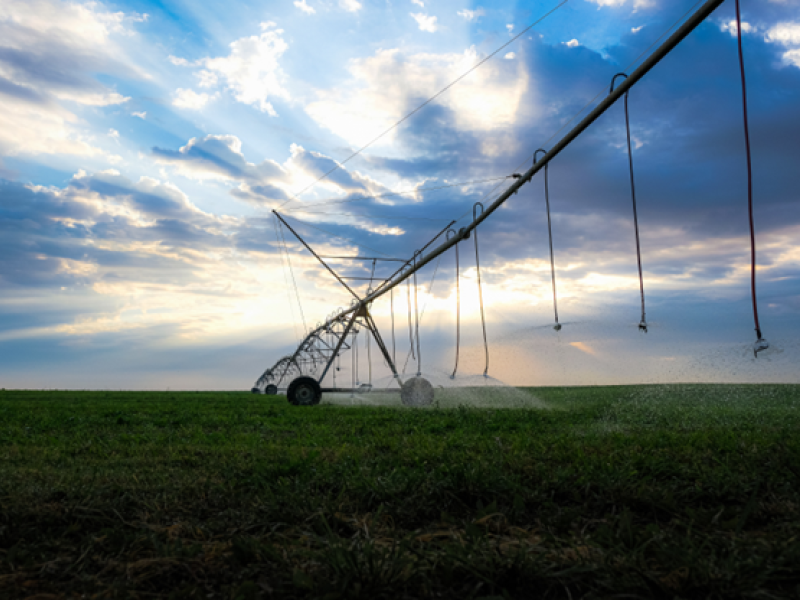
Variations in the level of market globalization can greatly affect the amount of water required to meet future global demand for agricultural commodities.
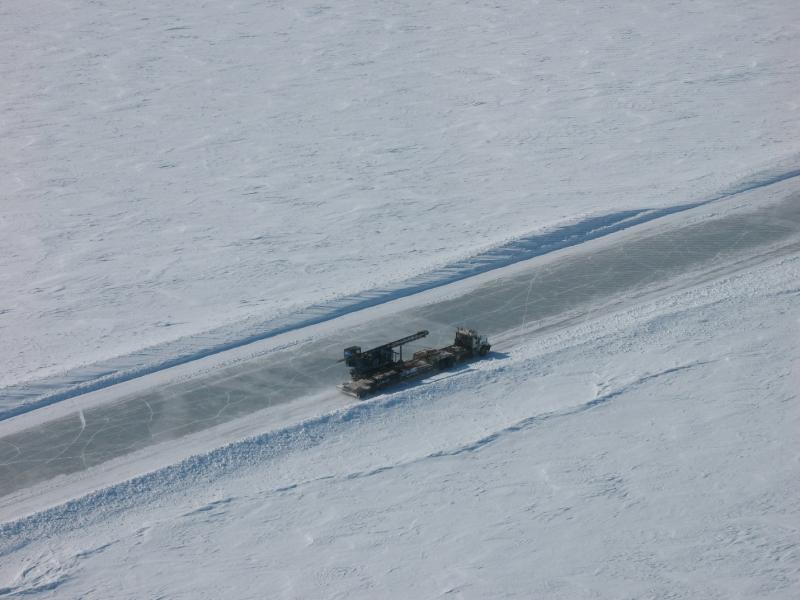
Climate change and socioeconomic pressures are transforming passenger and freight transportation in the Arctic, producing effects that have yet to be fully understood.