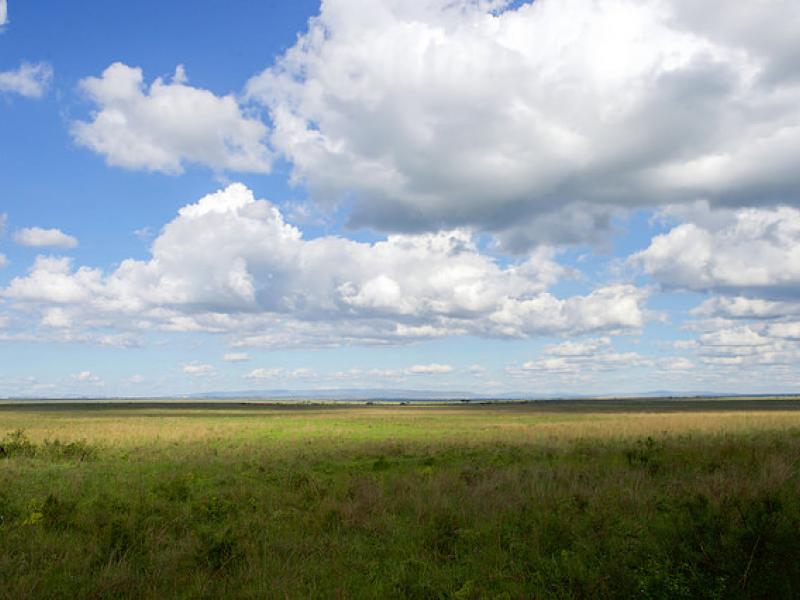
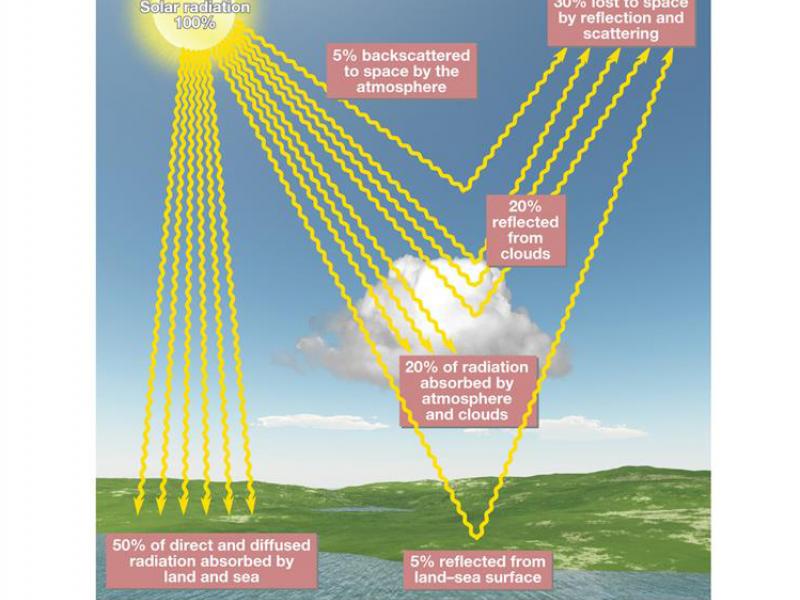
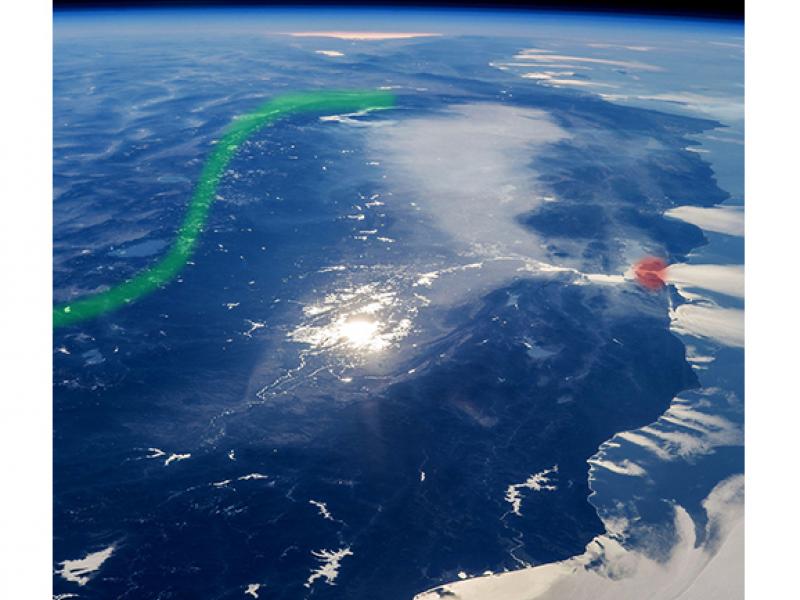
Small particles of pollution and dust make clouds brighter, and now scientists have figured out a way to better use data to improve our understanding of how this process affects the planet's climate.
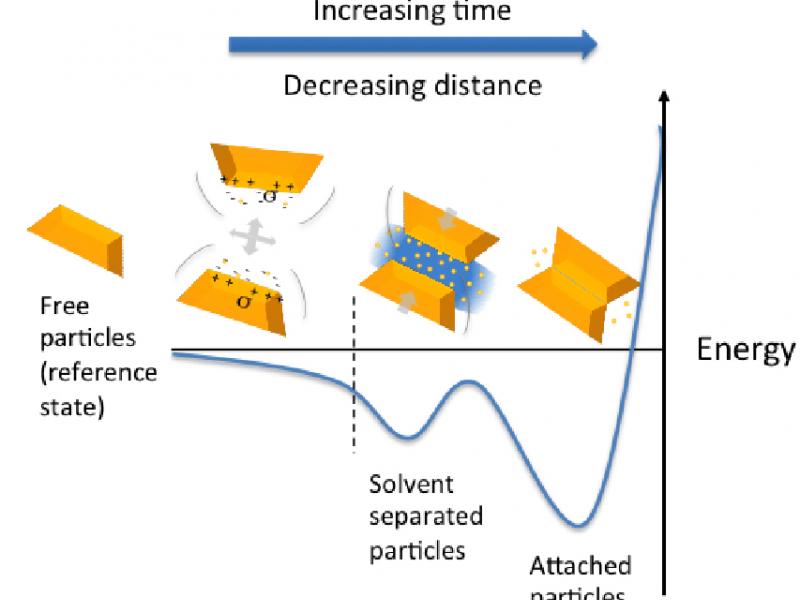
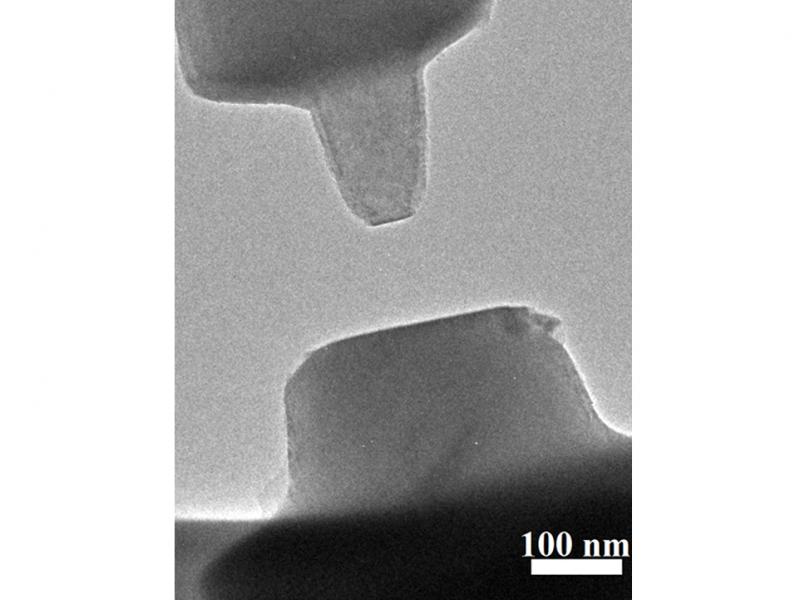
For the first time, researchers have measured the force that draws tiny crystals together and visualized how they swivel and align. Called van der Waals forces, the attraction provides insights into how crystals self-assemble, an activity t
Bo Peng, a Linus Pauling Fellow and molecular sciences researcher at Pacific Northwest National Laboratory, was recognized at the Sanibel Symposium with the Löwdin Postdoctoral Associate Award.
Rick Corley has been honored for his work modeling the full chain of human respiration, from organ, to tissue, to cell, and down to individual molecule.
The rate of plant photosynthesis globally has blossomed this century, according to a new study in the journal Nature by a scientist at the Joint Global Change Research Institute and his colleagues.
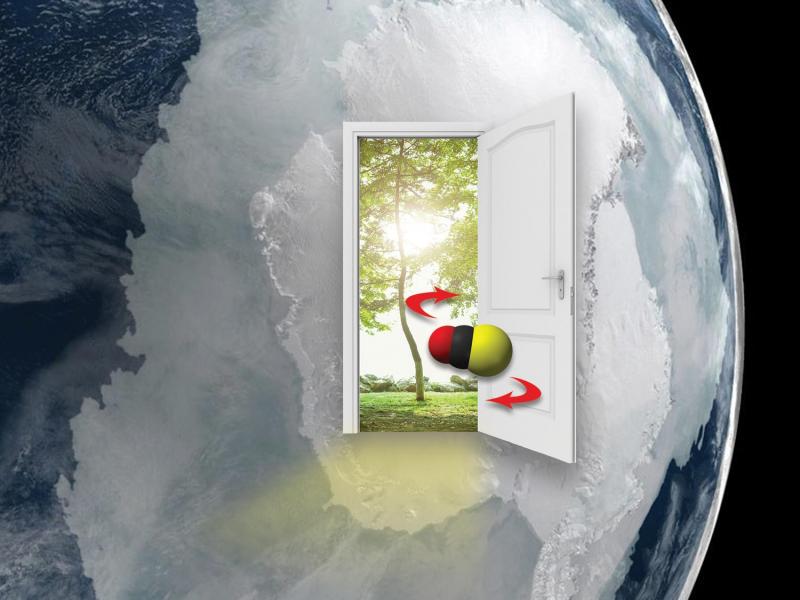
At next week's American Chemical Society meeting, experts spanning a wide range of disciplines will get together to toss around ideas on technologies to capture the carbon dioxide.
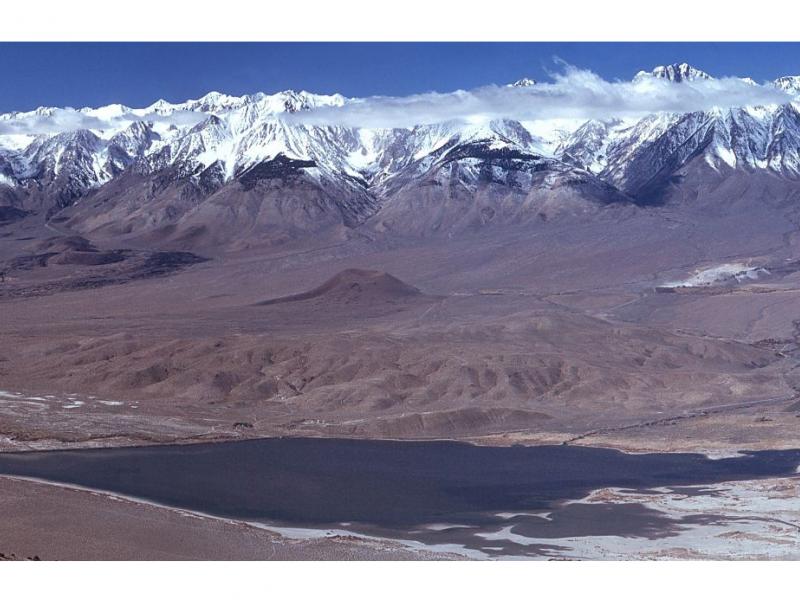
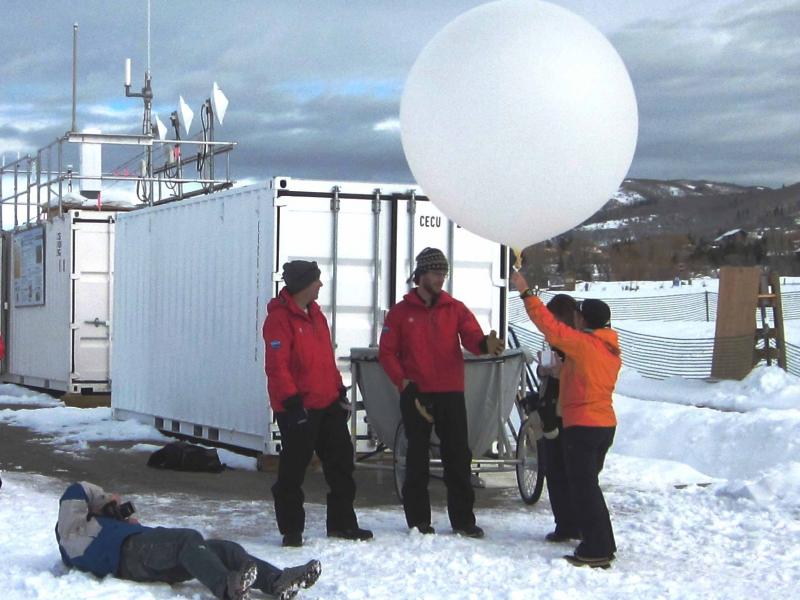
A study of mountaintop clouds over Colorado has delivered crucial information to help answer several scientific questions, including how Saharan dust affects clouds over North America.