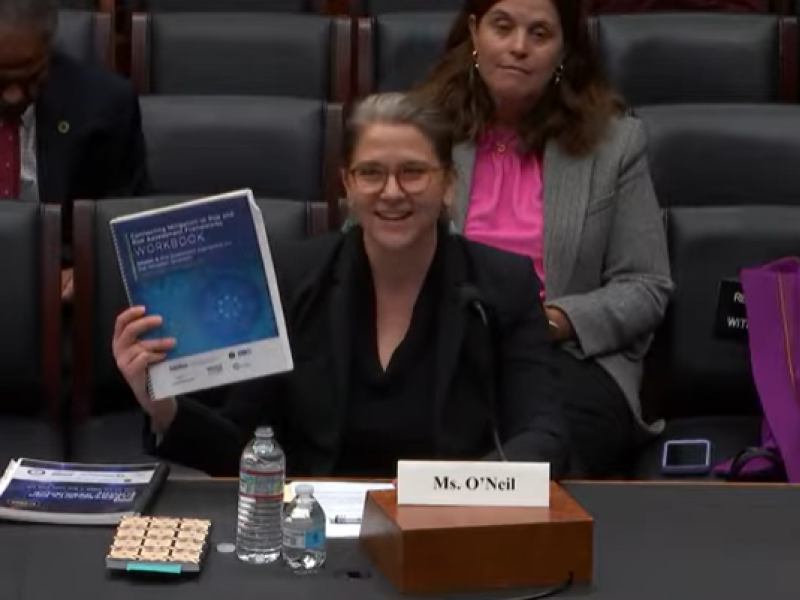
Rebecca O’Neil, a research principal in the Energy and Environment Directorate at PNNL, was invited to testify before the House Committee on Energy and Commerce’s Subcommittee on Energy.
The Department of Energy, Basic Energy Sciences and Advanced Scientific Computing Research programs will support the partnership’s work on nuclear quantum behavior.
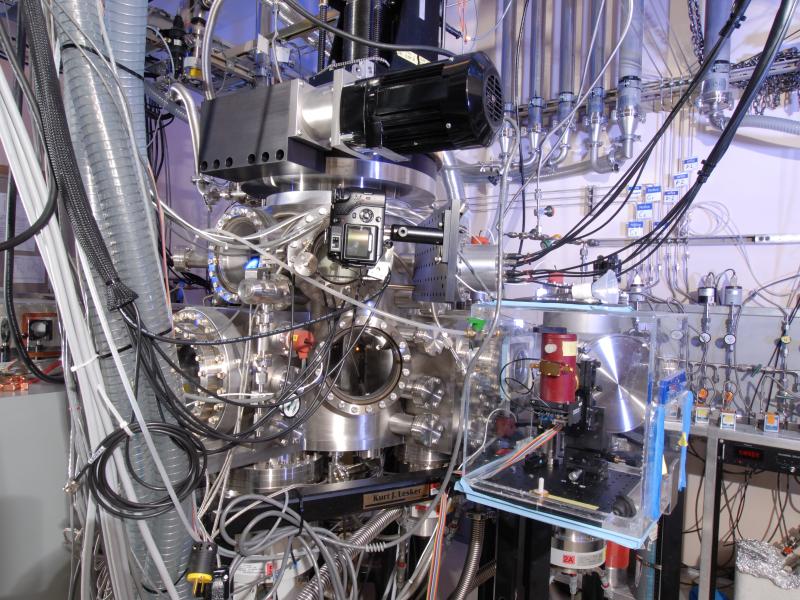
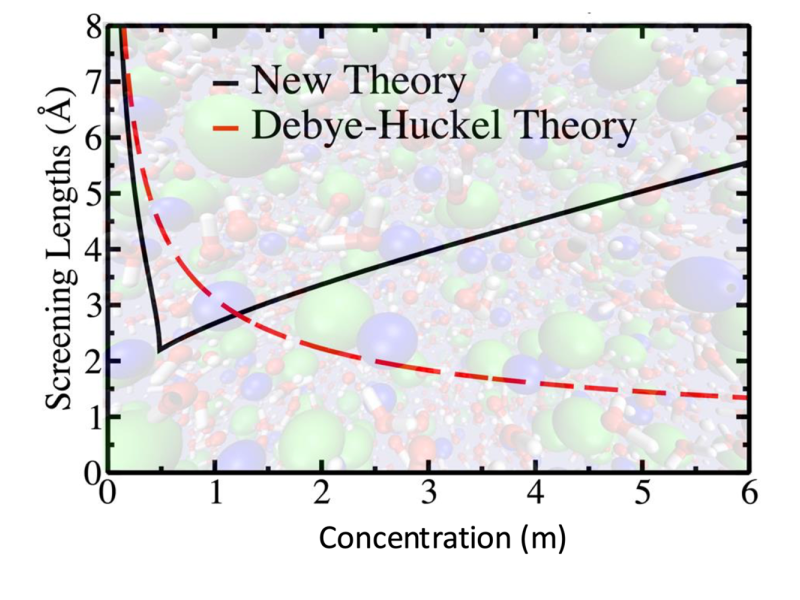
Delivering an integrated quantum-mechanical and experimental perspective on the effects of both intrinsic and externally applied electric fields at atomic-scale interfaces.
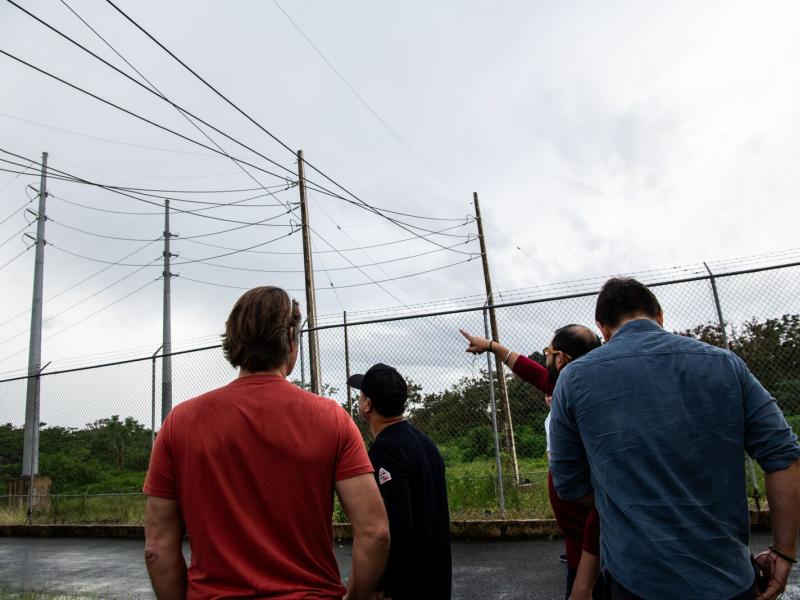
PNNL's E-COMP initiative is helping unleash American energy innovation with advanced theories, models, and software tools to better operate power systems that rely heavily on high-speed power electronic control.
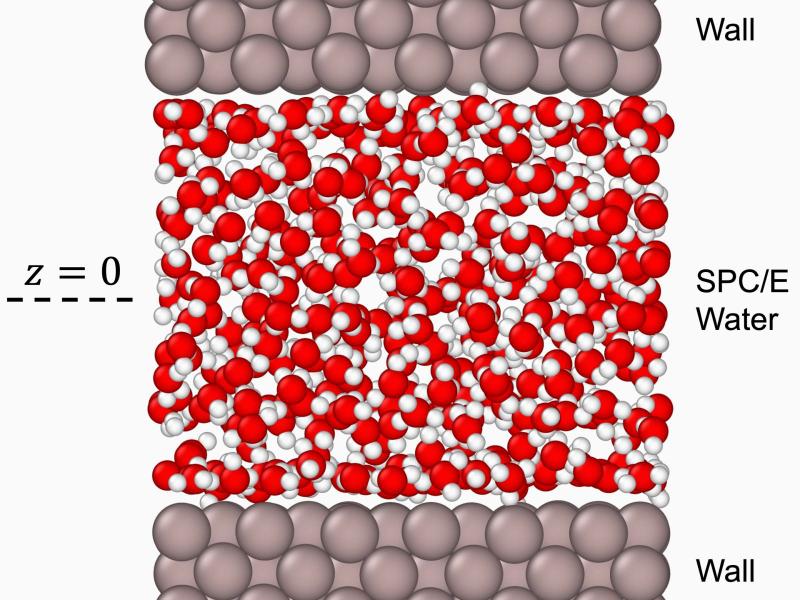
The first measurement of the proton diffusion constant at cryogenic temperatures provides insights into the mechanism of proton movement in supercooled water.
Chemist Wendy Shaw, a nationally recognized scientific leader, has been chosen to serve as the associate laboratory director for PNNL's Physical and Computational Sciences Directorate.
The Generator Scorecard, developed by PNNL in partnership with BPA, automates generator evaluations, reducing engineering workloads and improving grid reliability.
The National Transmission Planning Study presents several transmission expansion scenarios that would reliably support the growing demand for energy across the nation.
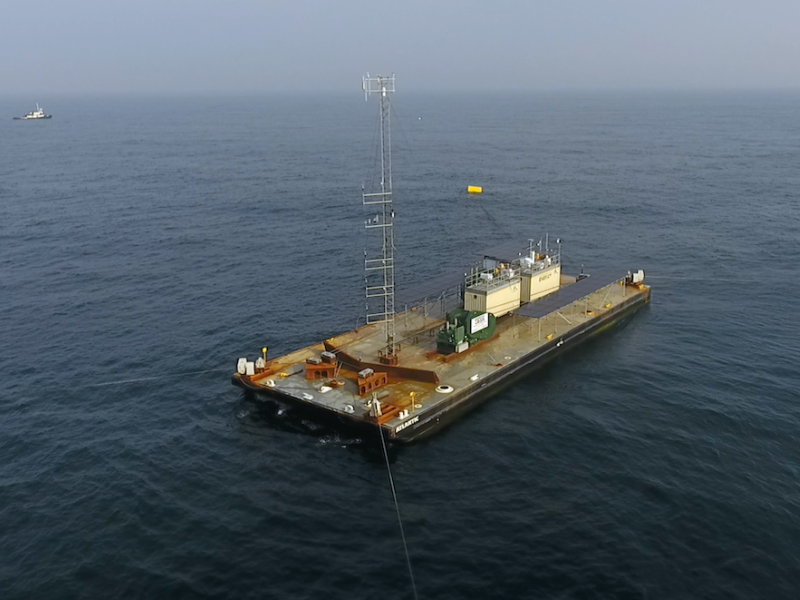
With the launch of a large research barge, PNNL and collaborators took another significant step to improve offshore wind forecasting that will lower risk and cost associated with offshore wind energy development.
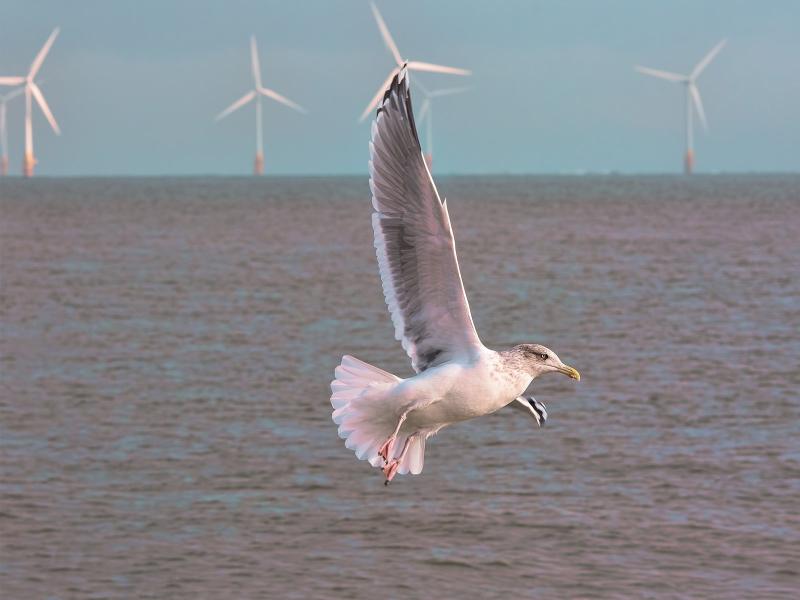
In a study off the West Coast, researchers find that although seabirds generally soar underneath the height of possible future wind turbine blades, more work is being done to fully understand seabird flight behavior.