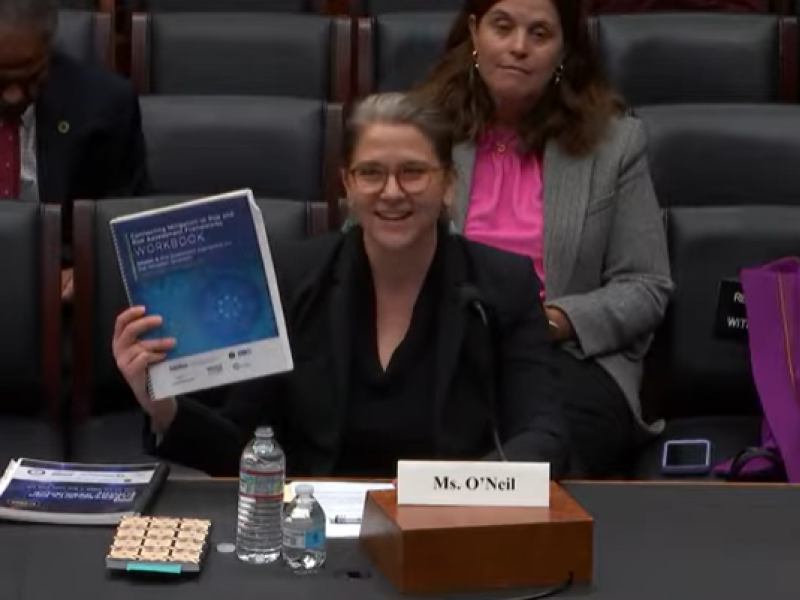
Rebecca O’Neil, a research principal in the Energy and Environment Directorate at PNNL, was invited to testify before the House Committee on Energy and Commerce’s Subcommittee on Energy.
From developing new energy storage materials to revealing patterns of Earth’s complex systems, studies led by PNNL researchers are recognized for their innovation and influence.
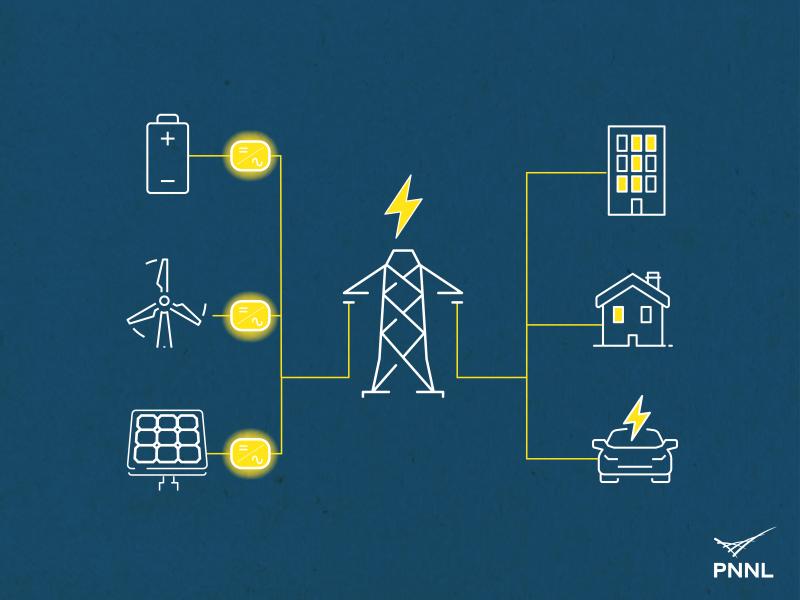
PNNL's E-COMP initiative is helping unleash American energy innovation with advanced theories, models, and software tools to better operate power systems that rely heavily on high-speed power electronic control.
PNNL will engage with transmission planners and other regional partners through technical assistance and listening sessions with the goal of exploring opportunities to integrate equity into transmission planning.
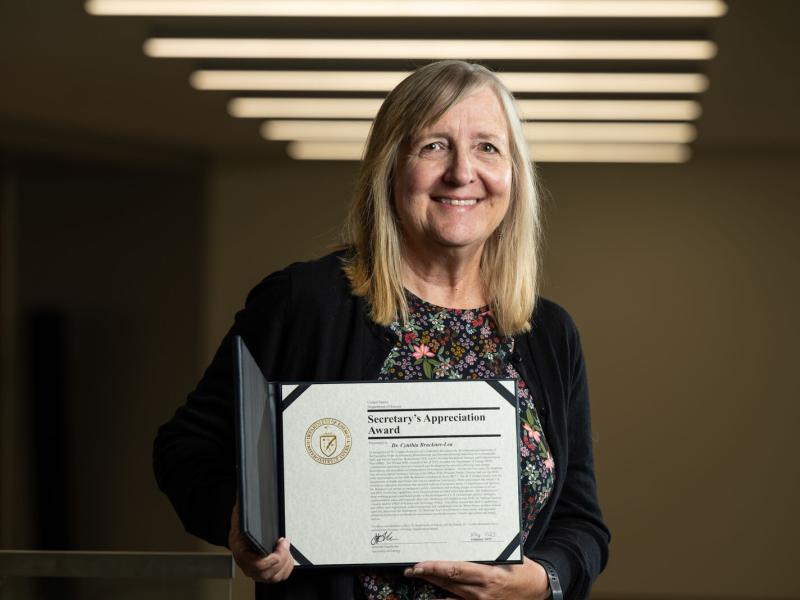
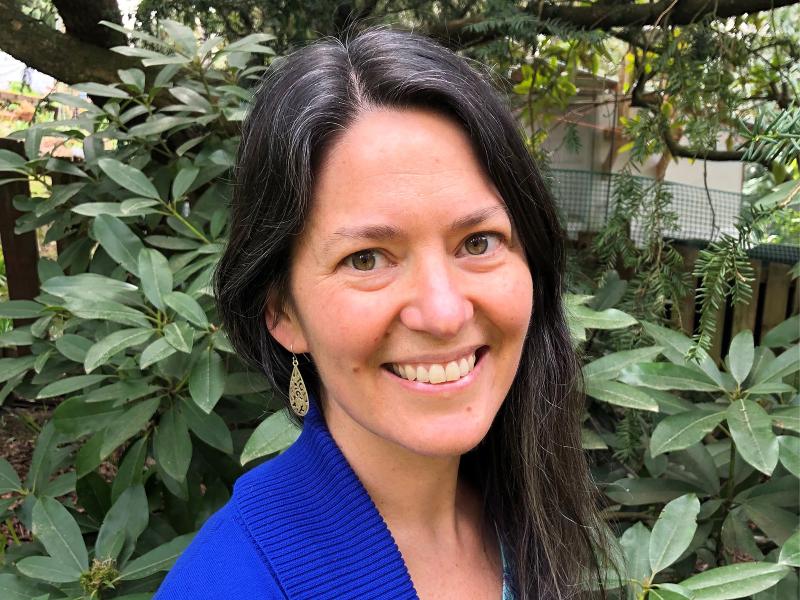
For her most recent efforts, Bruckner-Lea, a senior technical advisor at PNNL, received the Secretary’s Appreciation Award from the U.S. Secretary of Energy Jennifer Granholm in July.
PNNL receives a 2023 Federal Laboratory Consortium Far West Regional Award for a technological innovation that could help make the U.S. a producer of critical minerals used in electronics and energy production.
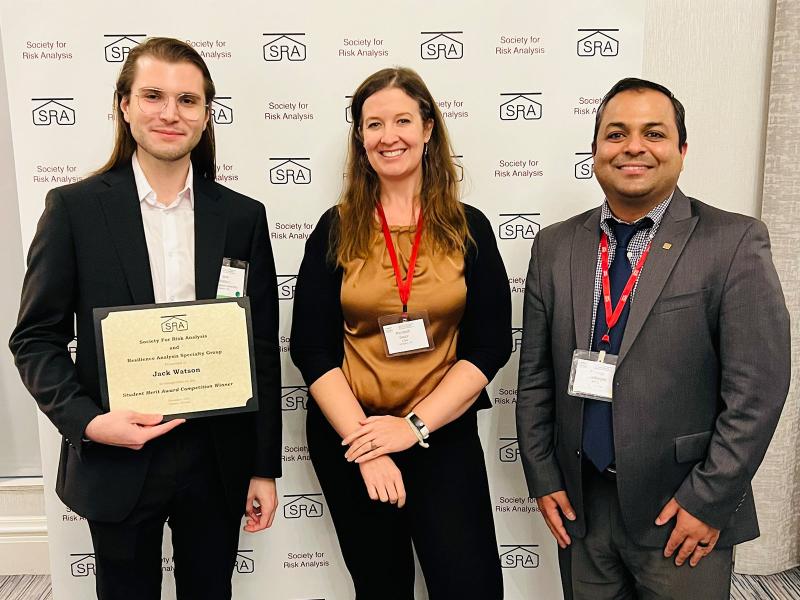
For a second year in a row, doctoral intern Jack Watson was awarded the Student Merit Award by the Society for Risk Analysis and the Resilience Analysis Specialty group.
Five staff members from PNNL received awards from the Department of Energy’s Federal Energy Management Program for contributions to projects for the U.S. Army.
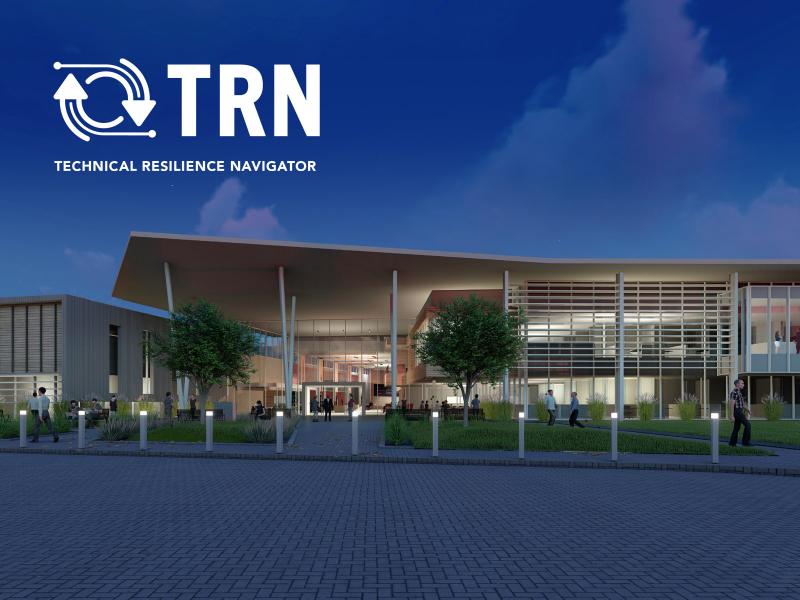
A new version of the Department of Energy’s Technical Resilience Navigator allows users to prioritize resilience solutions based on both risk reduction and emissions impact.
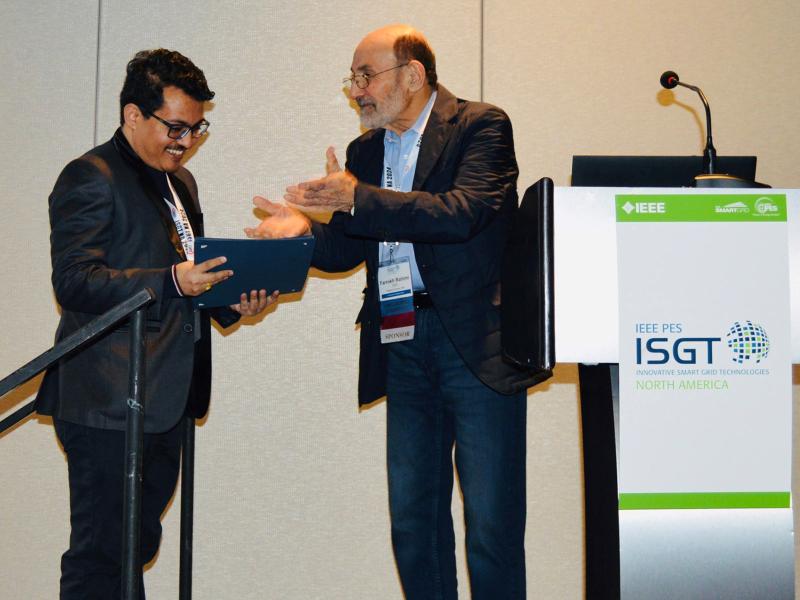
Arun Veeramany furthers the field of risk, reliability, and resilience in civil and mechanical engineering in his new role as an American Society of Civil Engineers-American Society of Mechanical Engineers journal editorial board member.
PNNL researchers developed a new model to help power system operators and planners better evaluate how grid-forming, inverter-based resources could affect the system stability.
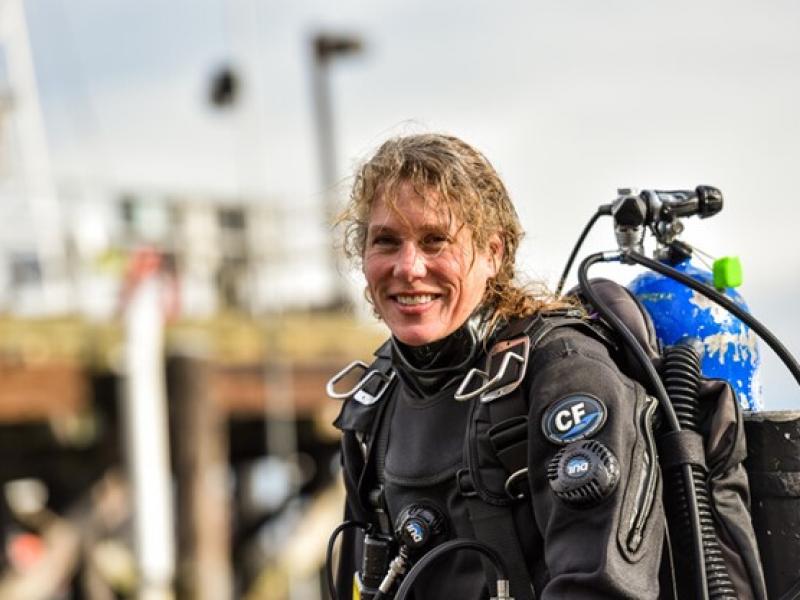
Sue Southard's one thousand dives as a PNNL staff member leave a ripple effect on efforts to keep our ocean healthy, our economy thriving, and our waters safe.
Human-machine teaming may sound like something from the distant future. In “Human-Machine Teaming: A Vision of Future Law Enforcement” in Domestic Preparedness, Corey Fallon, Kris Cook, and Grant Tietje of PNNL examine this topic.