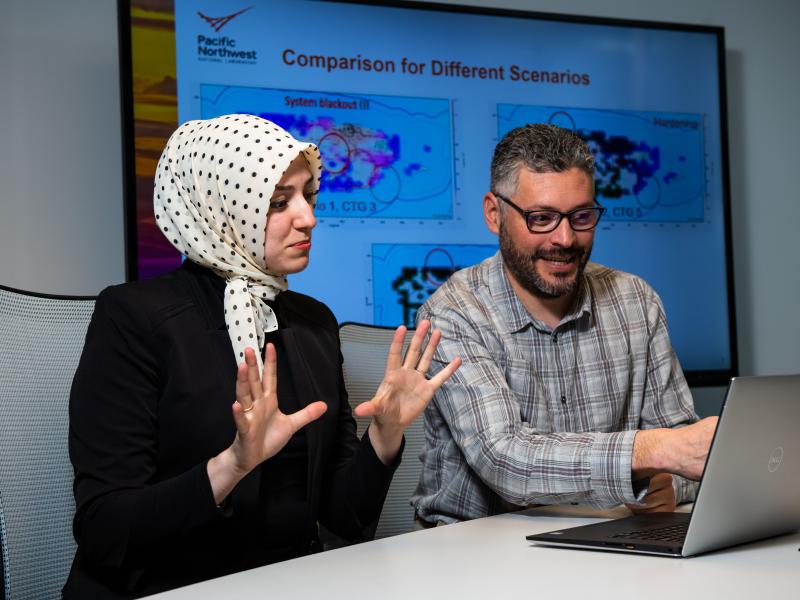
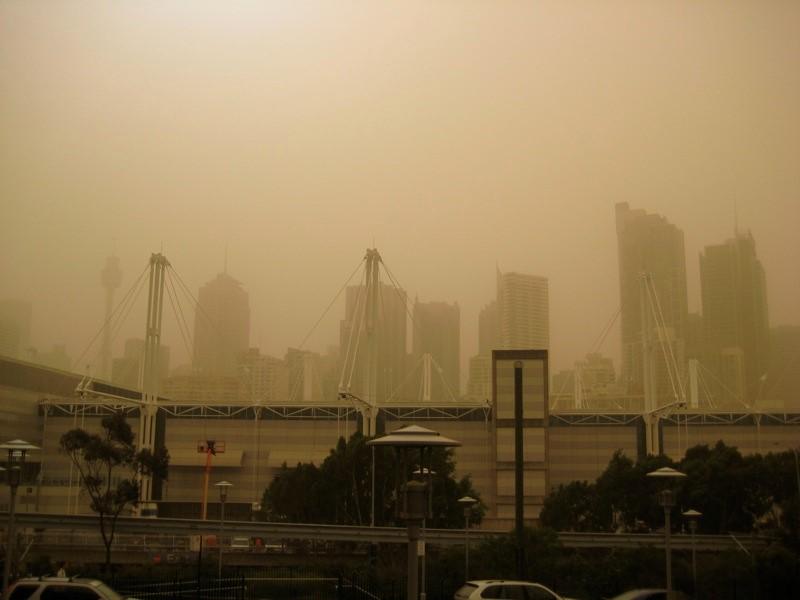
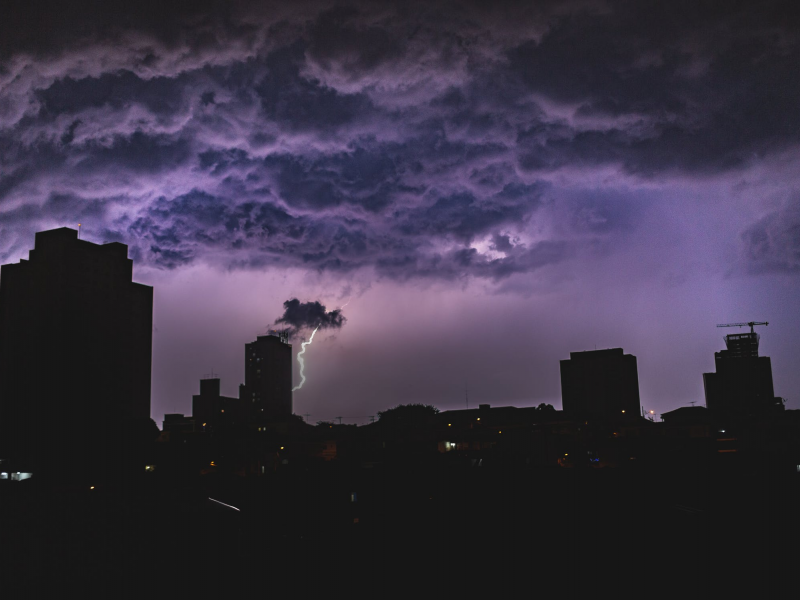
Tools being developed at PNNL are helping the nation plan for, respond to and recover from severe storms and wildfires that could threaten critical energy systems.
An overview of the Energy Exascale Earth System Model project describing its goals, science drivers, and development and highlighting its key findings.
New facility that will accelerate energy storage innovation and make the nation’s power grid more resilient, secure and flexible has been given the green light to proceed by the U.S. Department of Energy.
(ISC)², the world’s largest nonprofit association of cybersecurity professionals, elected PNNL cybersecurity expert Lori Ross O’Neil as vice chairperson of the board of directors.
PNNL formulated a new type of dual-ion cell chemistry that uses a zinc anode and a natural graphite cathode in an aqueous—or “water-in-bisalt”—electrolyte.
Demonstrating methods for using a portable optical particle spectrometer, a miniaturized and highly sensitive instrument, to measure atmospheric aerosol size distributions.
New mathematical tools developed at PNNL hold promise to transform the way we operate and defend complex cyber-physical systems, such as the power grid.
Ann Lesperance, national security advisor, joins the National Academies of Sciences, Engineering, and Medicine Committee on Applied Research Topics for Hazard Mitigation and Resilience.