Senior members of the National Academy of Inventors are recognized for their remarkable innovations that have brought, or aspire to bring, real impact on the welfare of society.
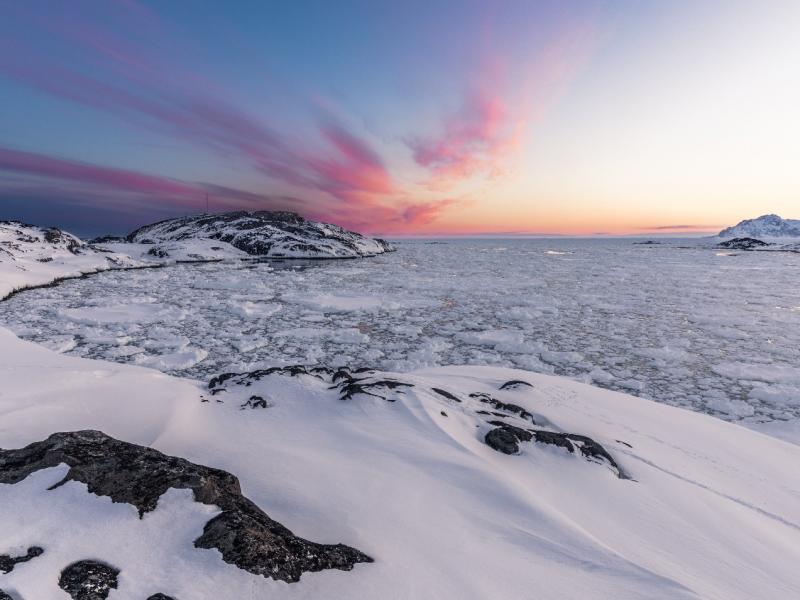
A new decomposition method allows scientists to unravel the atmosphere-ice-ocean interactions that drive Arctic sea ice changes under increasing carbon dioxide levels.
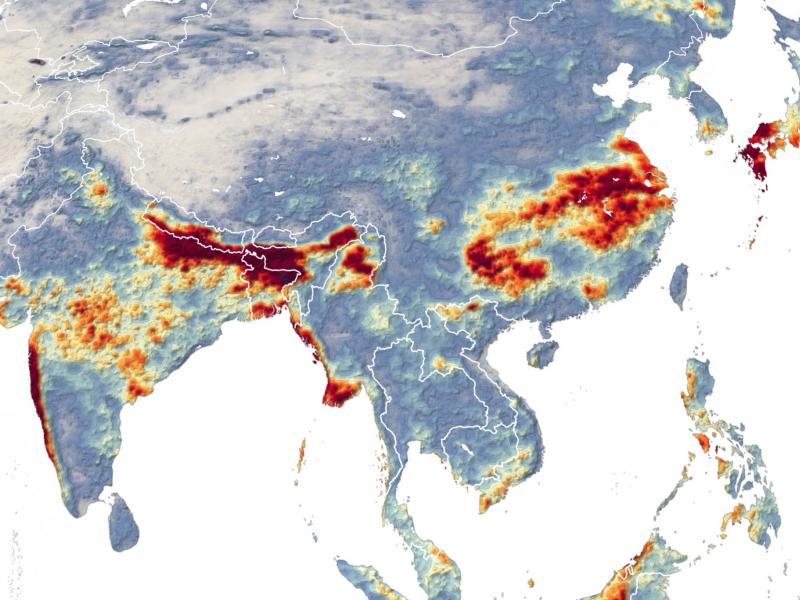
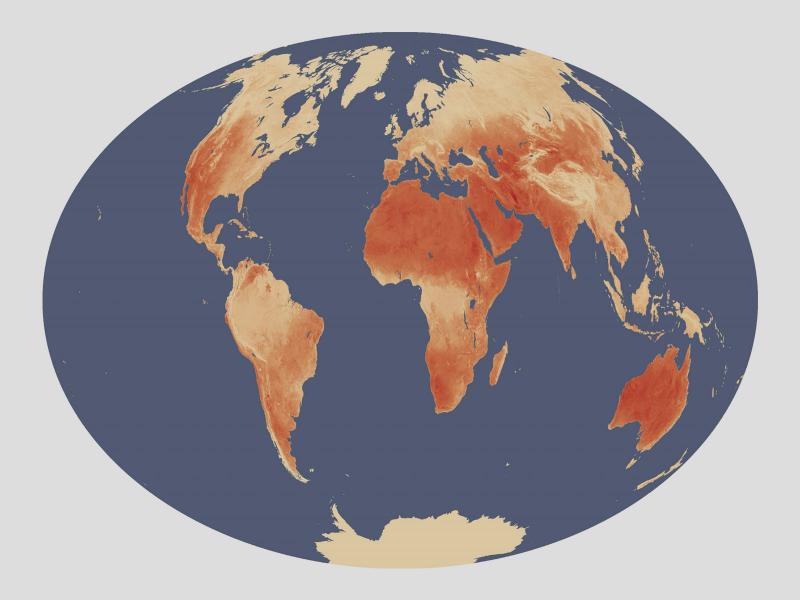
The persistent double-ITCZ bias in Earth system models influences projections of future precipitation in regions that are already under severe water stress.
Study says planners need to account for climate impacts on renewable energy during capacity development planning to fully understand investment implications to the power sector.
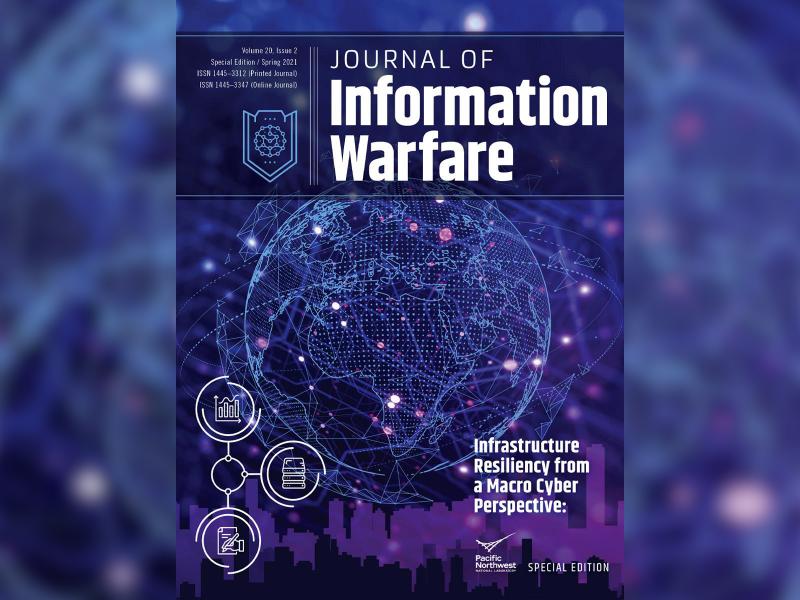
For the second straight year, PNNL researchers are featured in a special edition of the Journal of Information Warfare. This issue explores the topic of macro cyber resiliency.
One year ago, Verizon announced a partnership that made PNNL the U.S. Department of Energy’s first national laboratory with Verizon 5G ultra-wideband wireless technology.
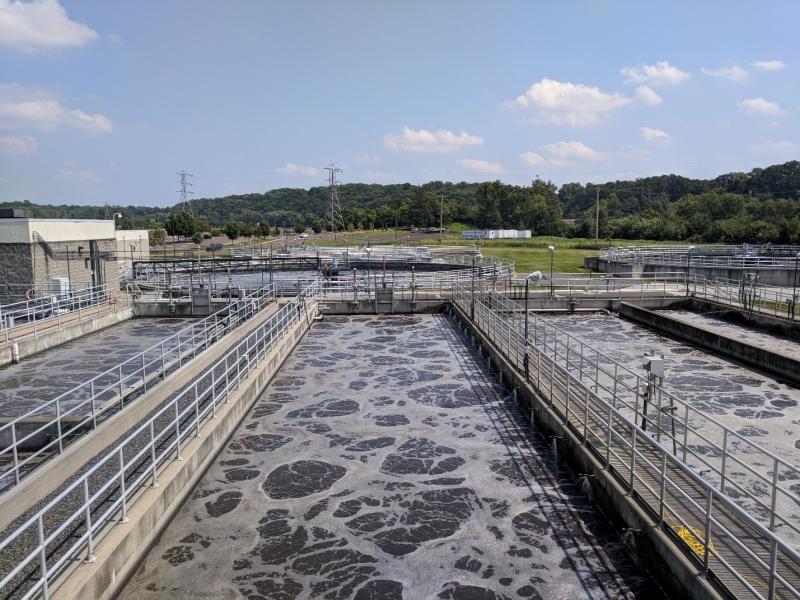
Calculating the multi-region and multisector effects of water scarcity for thousands of possible future socioeconomic, climate, and hydrologic scenarios.
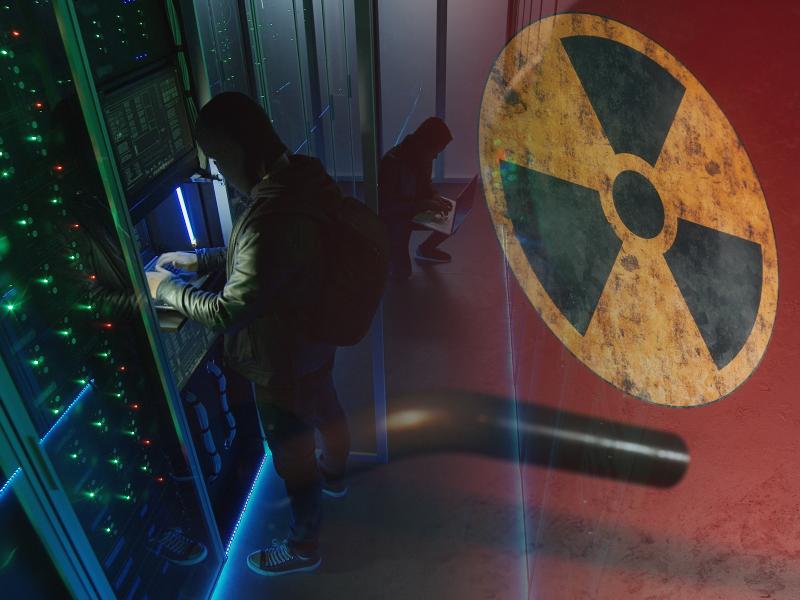
Sentry-SECURE is a new communication and response platform developed by PNNL, VPI, and Microsoft Azure that rapidly and securely transfers radiological alarm data through the cloud.