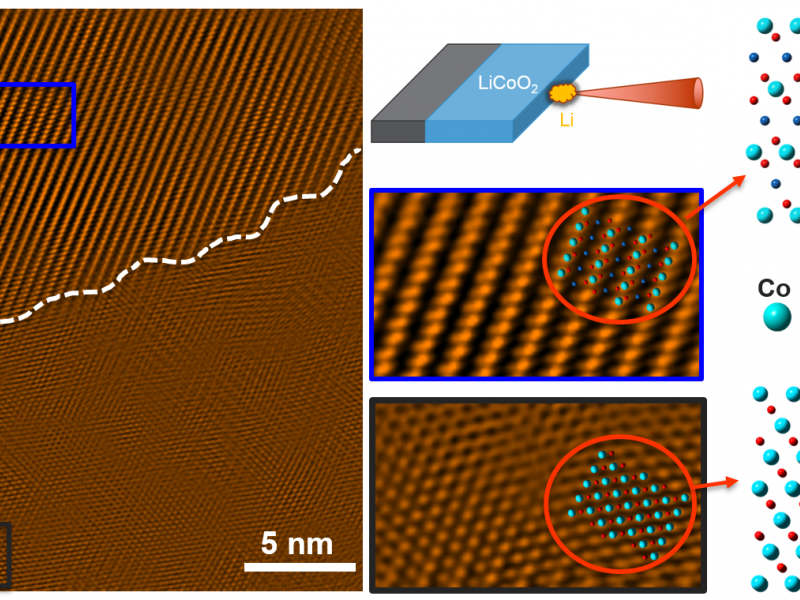
PNNL researchers demonstrate how the excitation of oxygen atoms that contributes to better performance of a lithium-ion battery also triggers a process that leads to damage, explaining a phenomenon that has been a mystery to scientists.
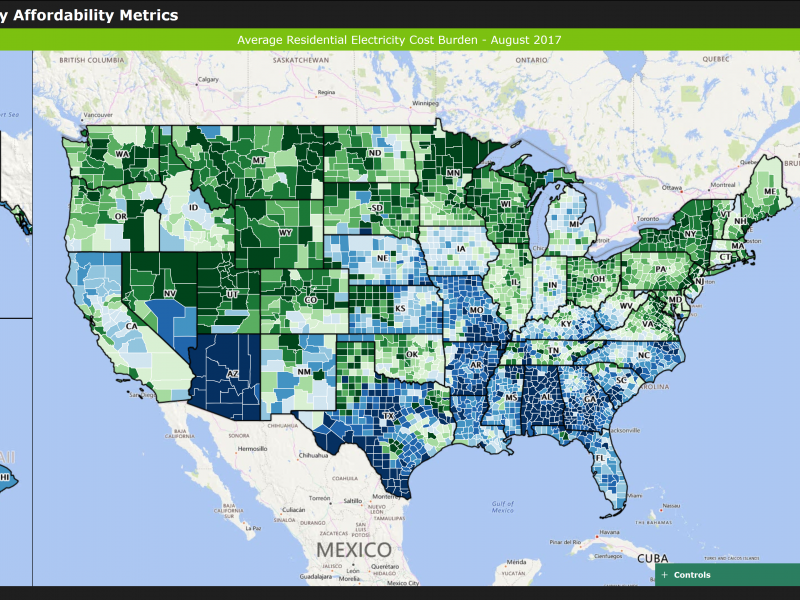
A new PNNL tool makes it easy to see the differences across the country when it comes to the cost and affordability of electricity. Users can sort and compare nearly 100 metrics or variables and get individual county information.
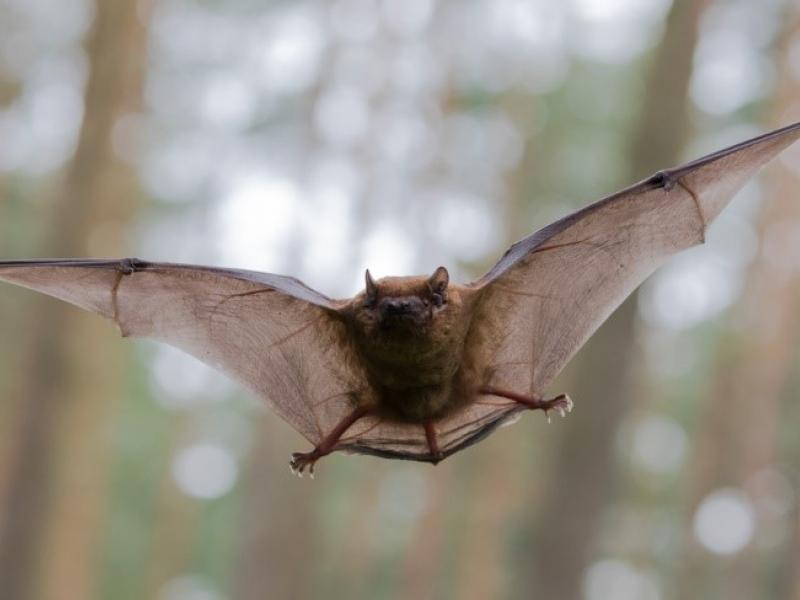
PNNL researchers are developing and evaluating bat tagging and tracking tools that will help design solutions to protect the bat population from wind turbines.
PNNL researchers Jianming Lian, Karanjit Kalsi, joint appointee Wei Zhang, and former PNNL intern Sen Li recently received a patent for a market mechanism consisting of novel bidding and clearing strategies.
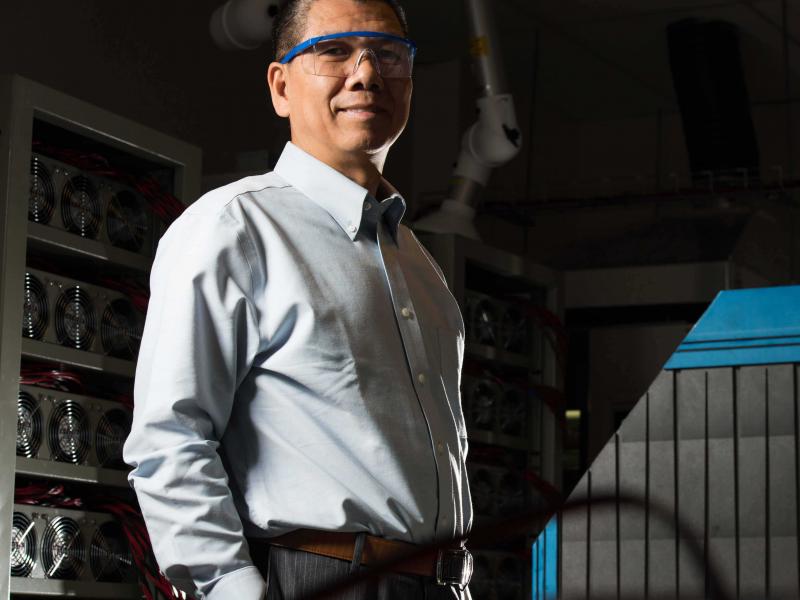
In one of the largest blockchain grid-cyber projects of its kind, PNNL is working with a network of industry partners to test and demonstrate blockchain’s ability to increase the cybersecurity resilience of power grid.
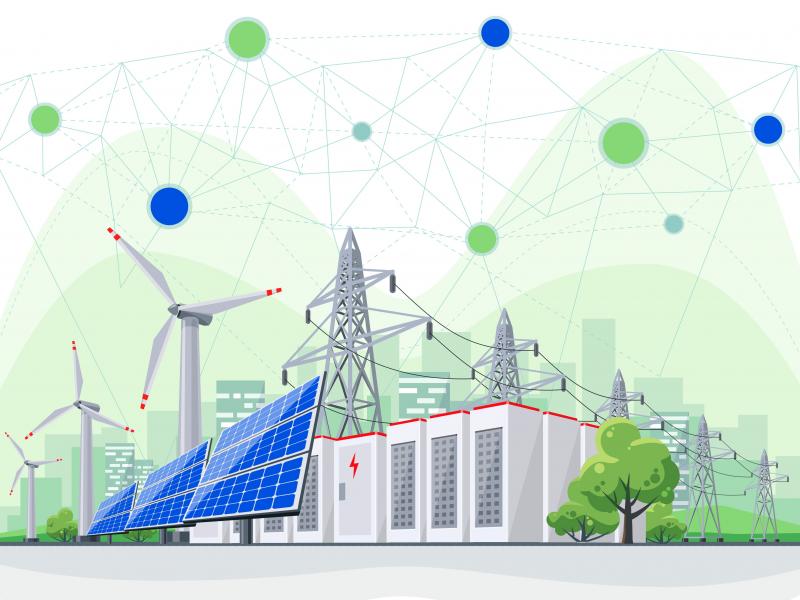
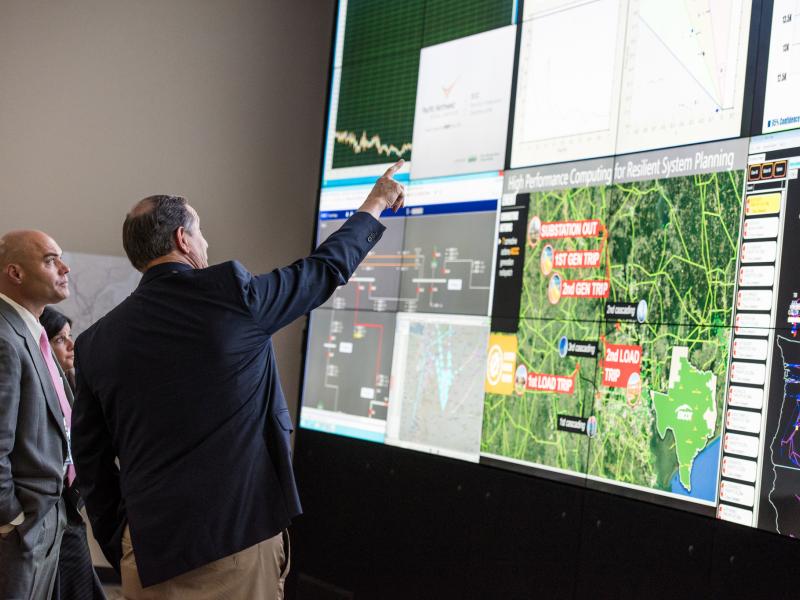
Researchers at the Department of Energy's Pacific Northwest National Laboratory are helping to lead transformation of the nation's century-old electric grid by developing new technologies to enhance its reliability and security.
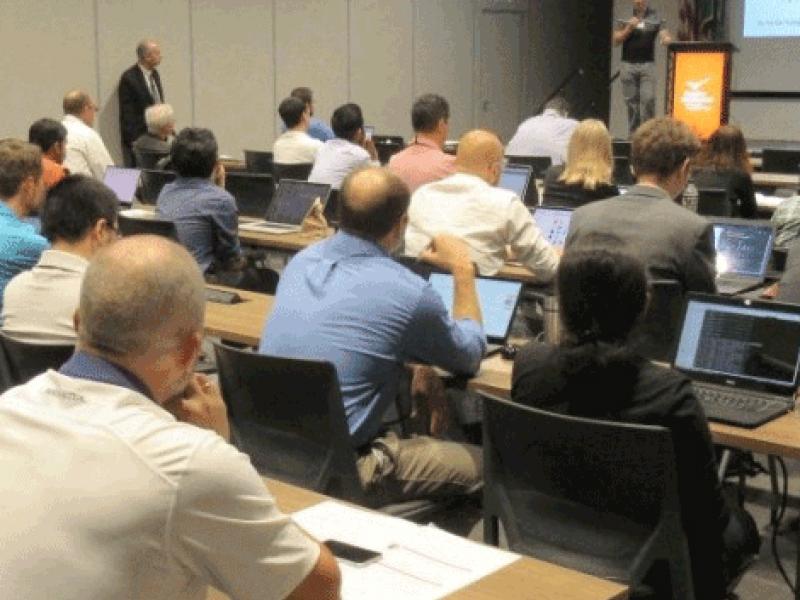
In November, Northeastern University Seattle (NU-Seattle) hosted "Smart Cities: Critical Infrastructure Protection" to explore technology and policy opportunities and challenges facing the smart city evolution.
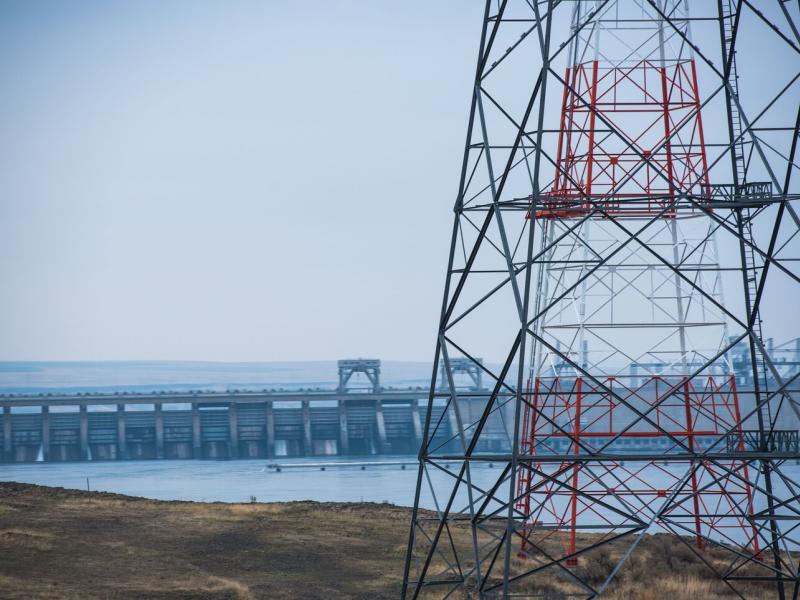
Researchers at PNNL used key metrics to develop visualizations that show how the combined effects of climate change on hydropower and load influence the frequency, duration, and severity of power shortfalls.
A recent study pinpointed the reaction front where lithium (Li) dendrites can come into contact with cathode materials. It also detailed the Li propagation pathway and reaction steps that lead to cathode failure.