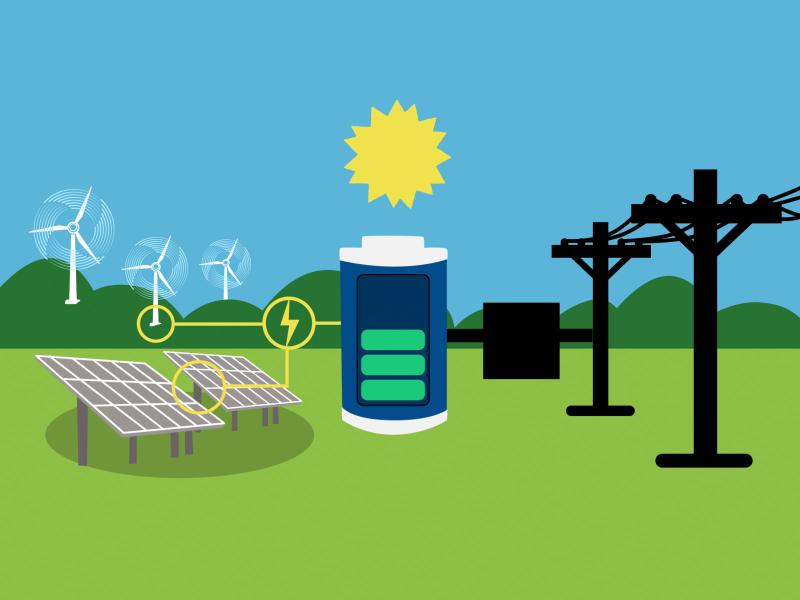
PNNL researchers are helping to better define the need for grid energy storage in future clean energy scenarios, as well as working to improve technologies for storing renewable energy so it's available when and where it's needed.
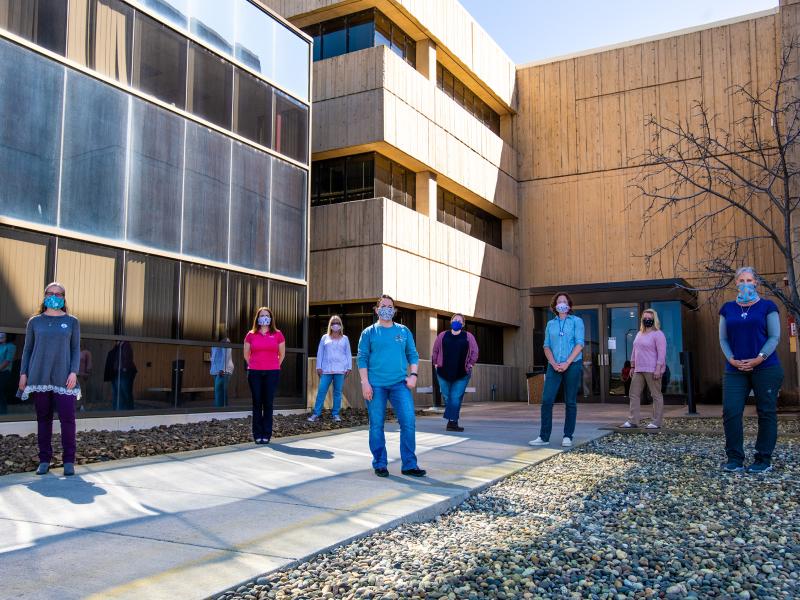
COVID-19 infections at PNNL early in the pandemic were caused by a wide variety of viral sequences, according to a new analysis by Laboratory researchers.
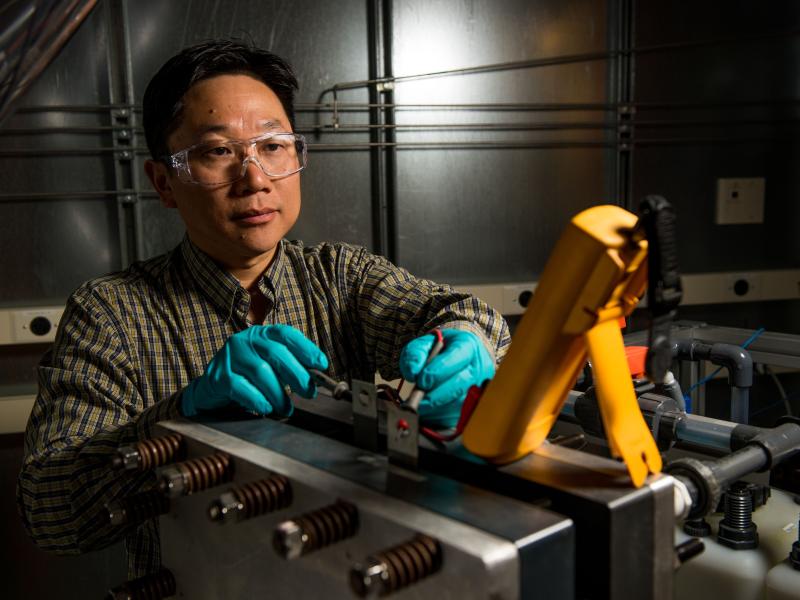
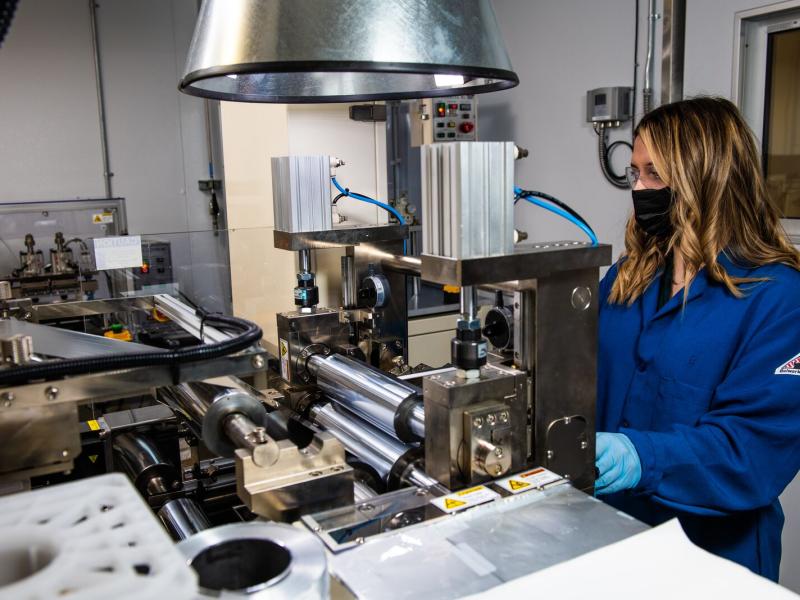
PNNL battery researcher Jie Xiao collaborates with academic and industry partners to address scientific challenges in manufacturing lithium-based batteries.
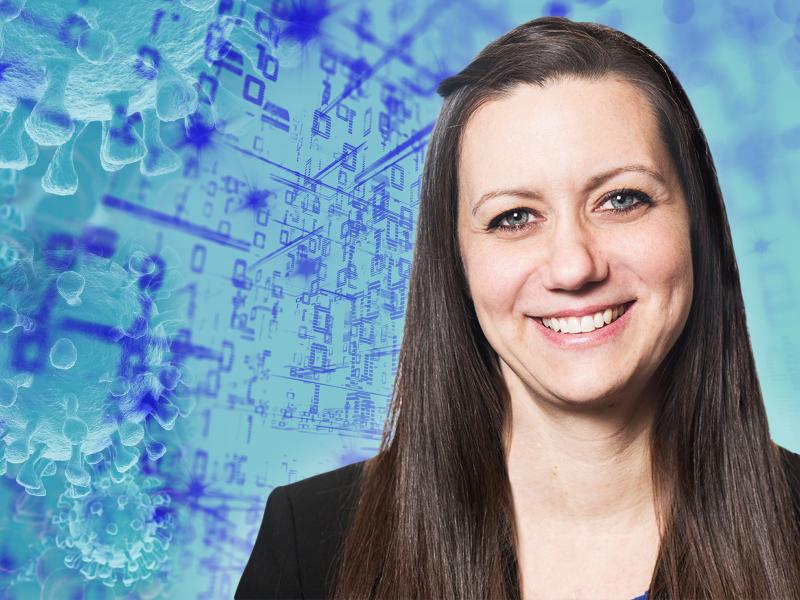
Gosline works to develop computational algorithms that are uniquely targeted for rare disease work by doing foundational research in model system development. This work can be expanded to all model systems in human disease.
Report for the Oregon Public Utility Commission highlights innovations and best practices for resilience and utility planning could be helpful to other states as well.
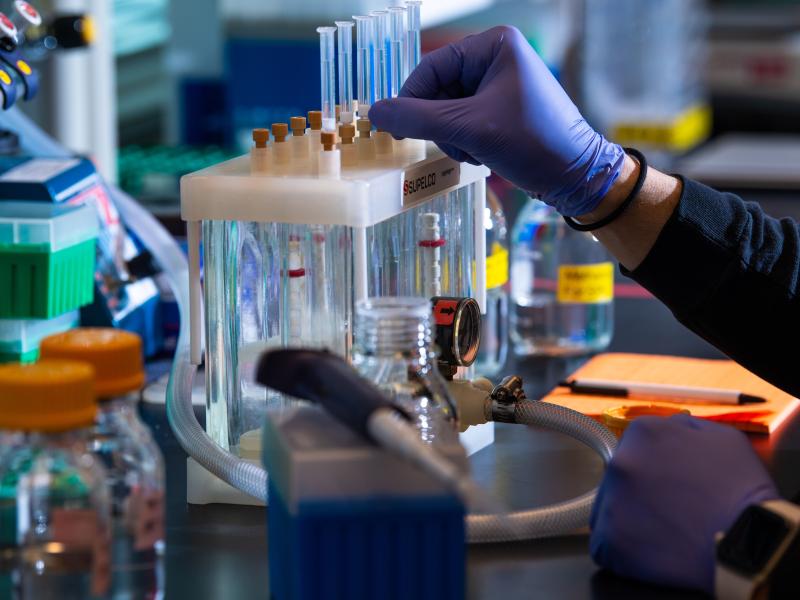
A new sodium battery technology shows promise for helping integrate renewable energy into the electric grid. The battery uses Earth-abundant raw materials such as aluminum and sodium.
The Public Infrastructure Security Cyber Education System is a university-community-nonprofit collaboration changing cyber education and cybersecurity.
PNNL Biomedical Scientist Geremy Clair has taken on new roles as an editor for two journals; Frontiers In Cellular And Infection Microbiology and Frontiers In Molecular Biosciences.
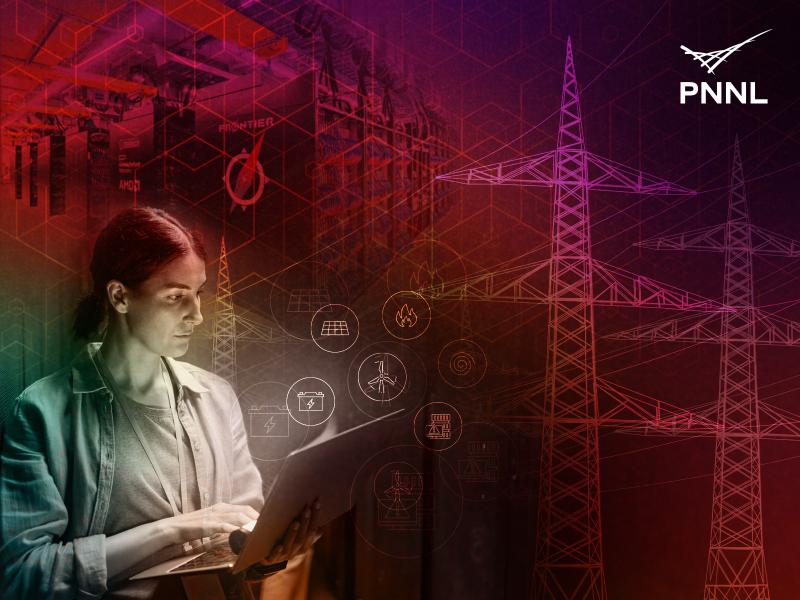
Zhenyu (Henry) Huang acts as guest editor in an upcoming special issue on “Climate Change Mitigation and Adaptation in Power and Energy Systems." The special edition is published by Elsevier.