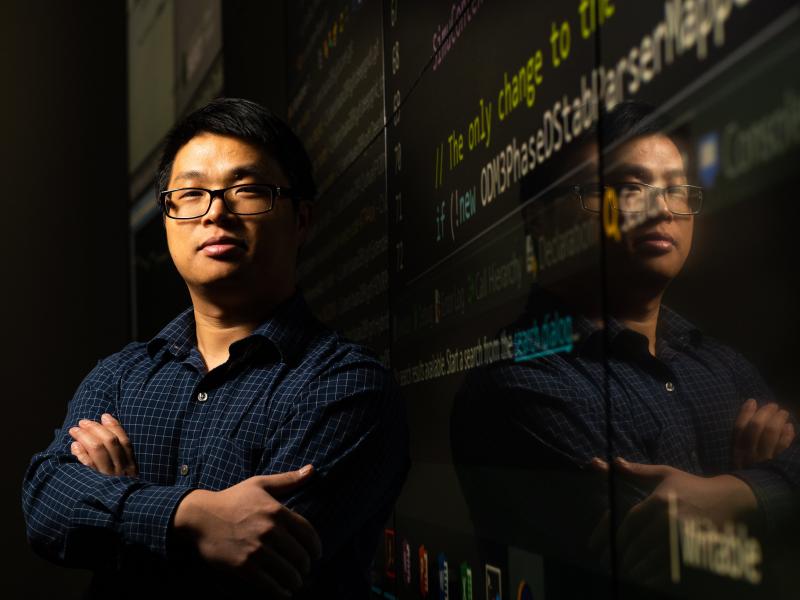
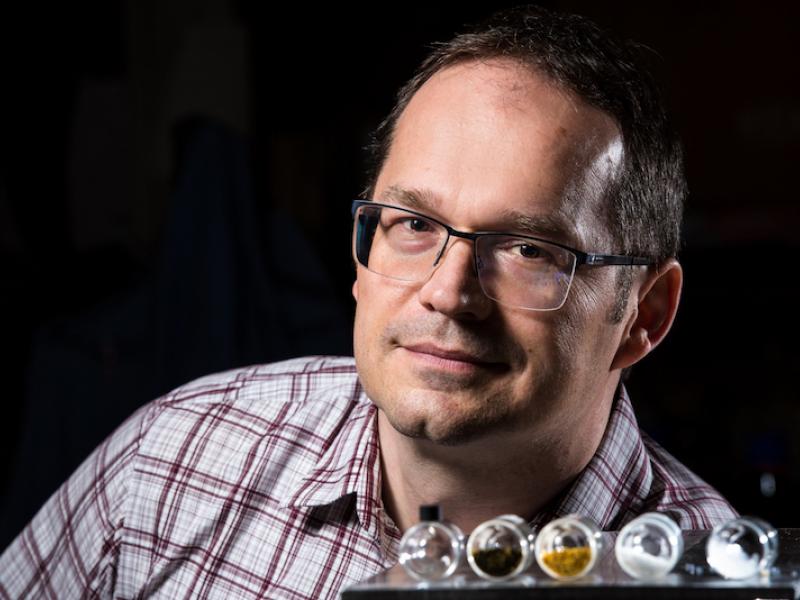
PNNL engineer Qiuhua Huang was recently honored for his research that explored connecting solar, wind and other small-energy producers to the electric grid
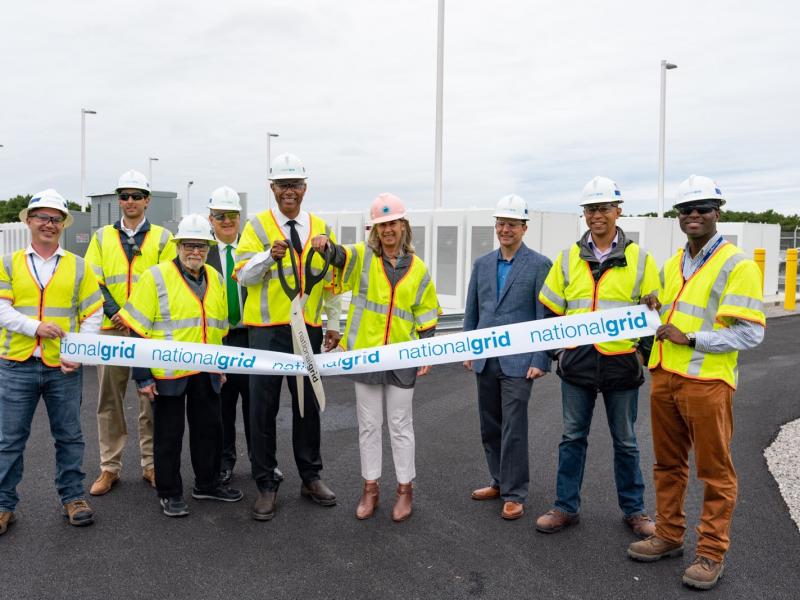
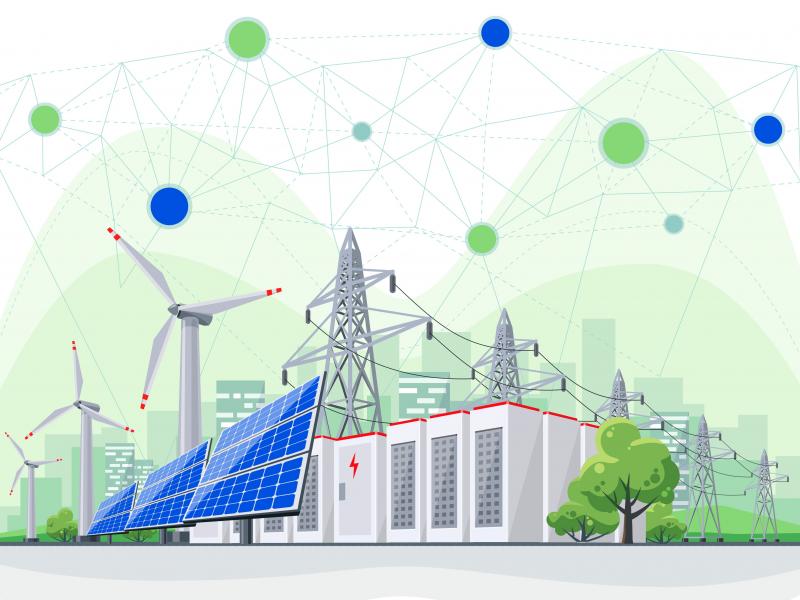
With support from DOE’s Office of Electricity and National Grid, PNNL led a groundbreaking study to accurately assess the full value of grid energy storage investments across a wide variety of use cases.
Energy storage is slowly shifting utility planning practices from the current paradigm, which ensures grid reliability by building reserve generation resources, to ensuring grid reliability by optimizing grid services.
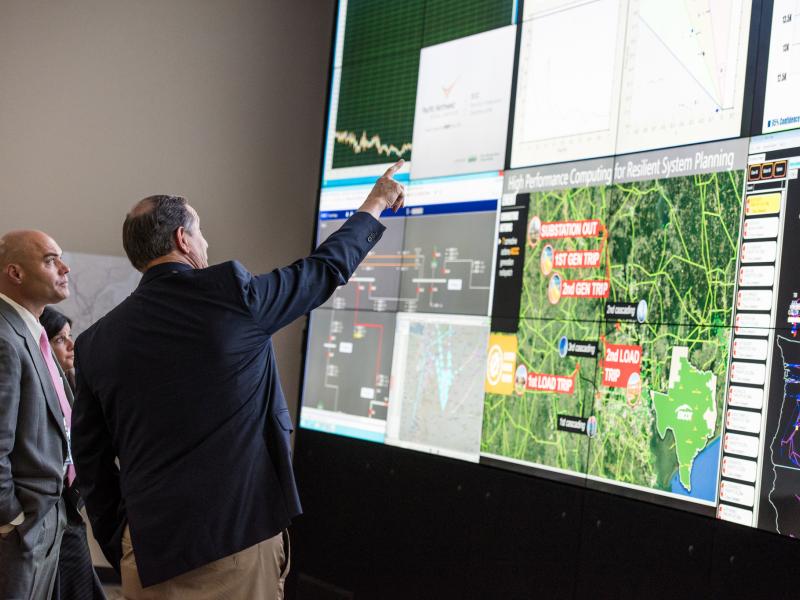
Trouble on the electric grid might start with something relatively small: a downed power line, or a lightning strike at a substation. What happens next?
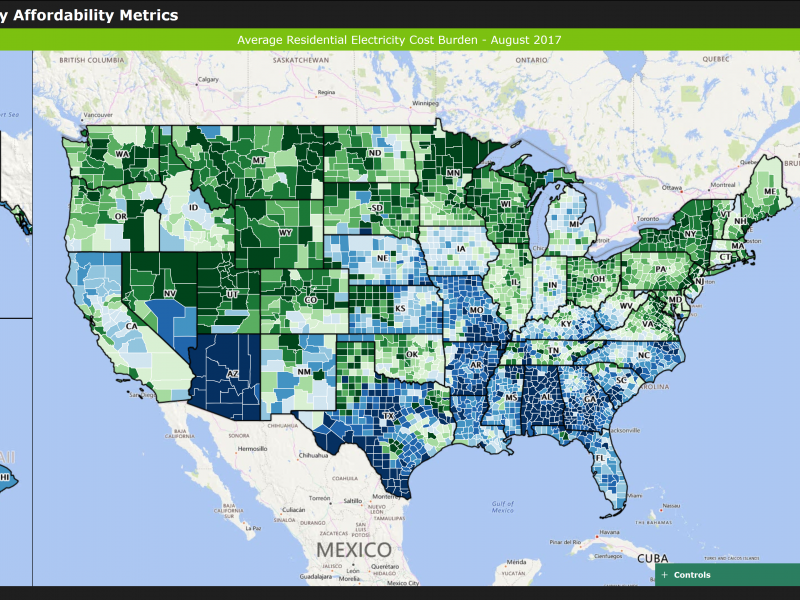
A new PNNL tool makes it easy to see the differences across the country when it comes to the cost and affordability of electricity. Users can sort and compare nearly 100 metrics or variables and get individual county information.
PNNL researchers Jianming Lian, Karanjit Kalsi, joint appointee Wei Zhang, and former PNNL intern Sen Li recently received a patent for a market mechanism consisting of novel bidding and clearing strategies.
Frannie Smith, a chemist specializing in nuclear waste management and disposal, was recognized as a "Notable Woman in STEM" for 2019 by the nonprofit Washington STEM program.
Josef "Pepa" Matyas, a materials scientist in PNNL’s Nuclear Sciences Division, has been elected a fellow of the American Ceramic Society (ACerS). He will be recognized at the ACerS annual meeting on September 30, 2019, in Portland, Ore.
In one of the largest blockchain grid-cyber projects of its kind, PNNL is working with a network of industry partners to test and demonstrate blockchain’s ability to increase the cybersecurity resilience of power grid.
Researchers at the Department of Energy's Pacific Northwest National Laboratory are helping to lead transformation of the nation's century-old electric grid by developing new technologies to enhance its reliability and security.
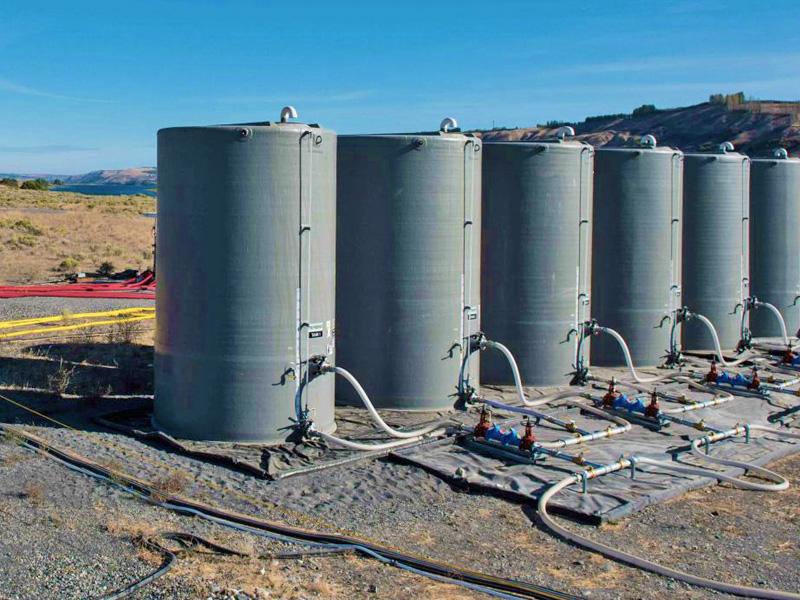
"It's sort of like using infrared goggles to see heat signatures in the dark, except this is underground." PNNL and CHPRC implemented a state-of-the-art approach to monitor the process of remediating residual uranium at Hanford's 300 Area.
In November, Northeastern University Seattle (NU-Seattle) hosted "Smart Cities: Critical Infrastructure Protection" to explore technology and policy opportunities and challenges facing the smart city evolution.
An International Atomic Energy Agency effort, chaired by PNNL's Mike Truex, will help inform the process for achieving successful end states at contaminated sites worldwide.