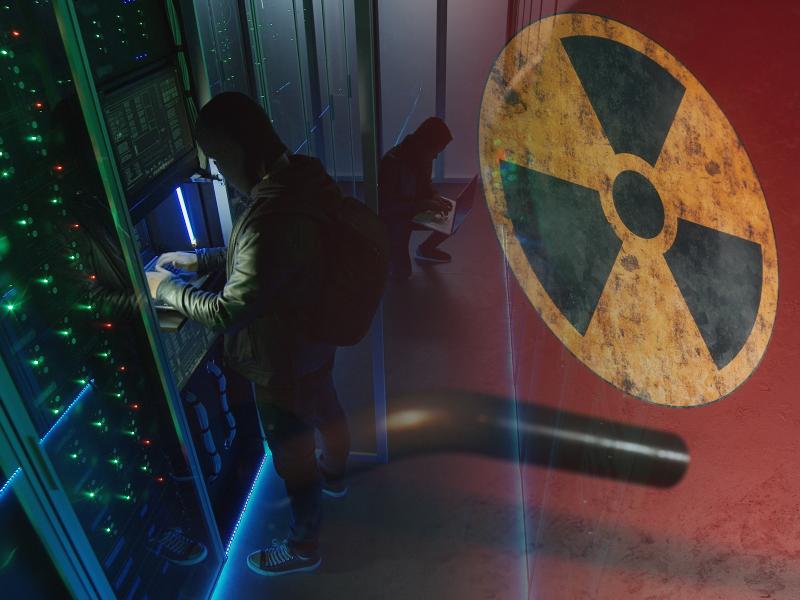
Sentry-SECURE is a new communication and response platform developed by PNNL, VPI, and Microsoft Azure that rapidly and securely transfers radiological alarm data through the cloud.
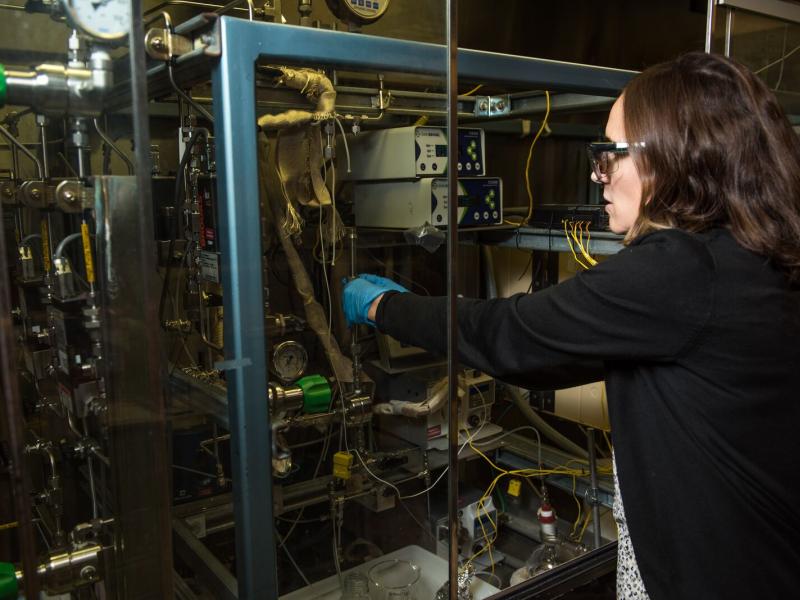
PNNL teamed with academia and industry to develop a novel zero-emission methane pyrolysis process that produces both hydrogen and high-value carbon solids suitable for an array of manufacturing applications.
PNNL is piloting a novel web-based resilience planning tool for managing risk to mission-critical infrastructure from disruptions in energy and water services.
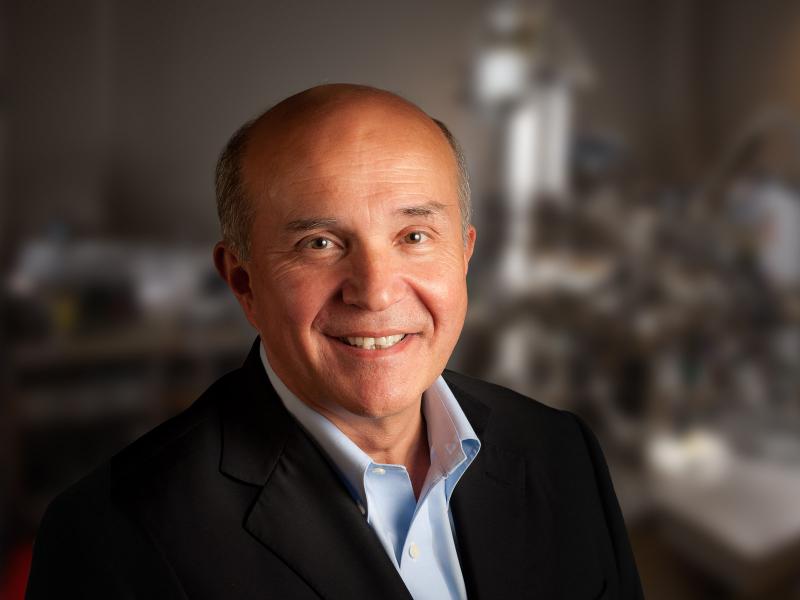
As he prepares to enter PNNL's Energy Sciences Center later this year, Vijayakumar 'Vijay' Murugesan is among DOE leaders exploring solutions to design and build transformative materials for batteries of the future.
PNNL provided expert analysis and technical background for some of the most ambitious building energy efficiency codes proposed for this year's International Energy Conservation Code updates.
New 140,000-square-foot facility will advance fundamental chemistry and materials science for higher-performing, cost-effective catalysts and batteries, and other energy efficiency technologies.
PNNL-developed Water Balance Tool estimates consumption for major water end-uses. Understanding the breakout of water use identifies water efficiency opportunities and allows facility managers to spot potential system losses.
PNNL created an assessment method and maturity model that helps manufacturers building products for the power grid implement consistent cybersecurity best practices throughout their development lifecycle.
Ann Lesperance, national security advisor, joins the National Academies of Sciences, Engineering, and Medicine Committee on Applied Research Topics for Hazard Mitigation and Resilience.
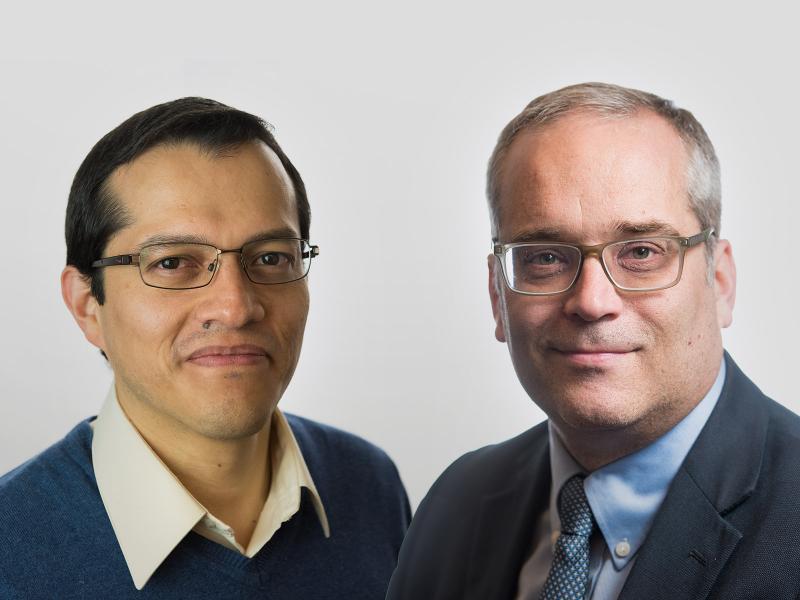
PNNL catalysis experts Oliver Y. Gutierrez and Jamie Holladay, along with a colleague from The City College of New York, led a special issue of the Journal of Applied Electrochemistry.
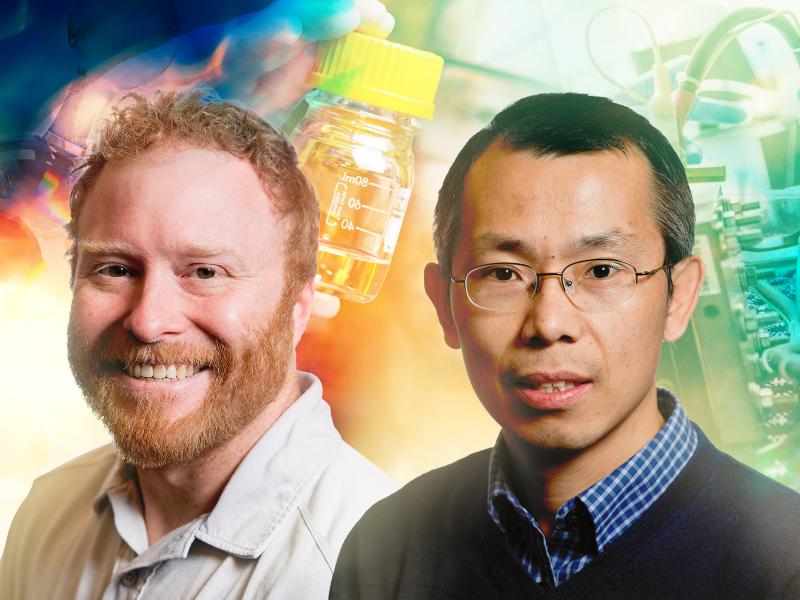
The American Chemical Society's Energy & Fuels Division elected PNNL scientist Yuyan Shao as Chair-Elect for 2021 and scientist Dave Heldebrant as Director-at-Large.
Buildings account for around 40 percent of our nation's energy use and consume 75 percent of our nation’s electricity each year. Energy use is also one of the biggest costs for facility owners.
Six renowned catalysis experts participated this fall in a PNNL speaker series that focused on plastic deconstruction and the prospects for the synthesis of renewable, biodegradable plastics.
PNNL led a multi-institutional effort to design a highly active and more durable catalyst made from cobalt, which sets the foundation for fuel cells to power transportation, stationary and backup power, and more.