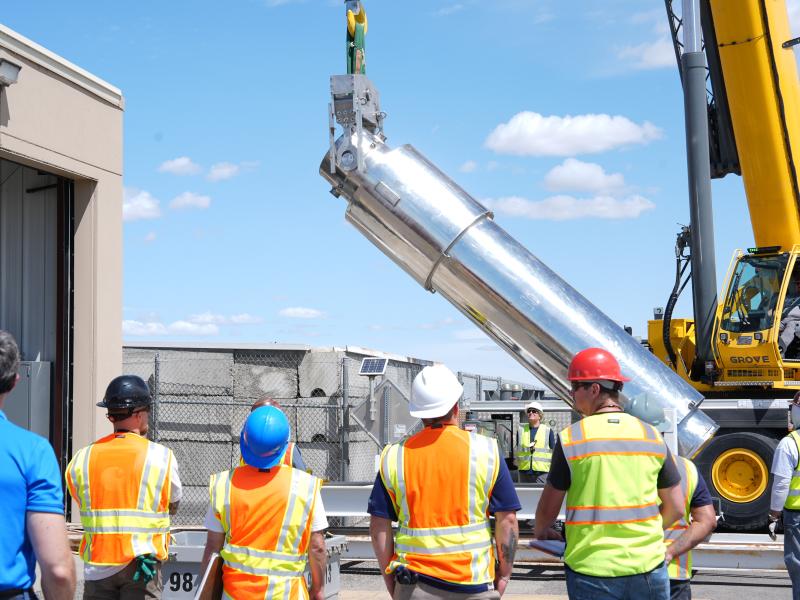
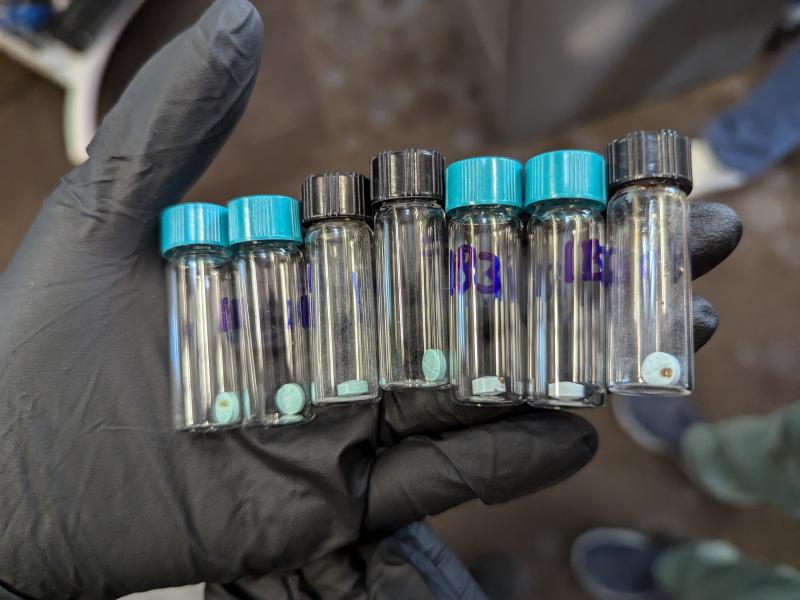
The Hanford Site is now immobilizing radioactive waste in glass: a process known as vitrification. PNNL contributed 60 years of materials science expertise—and is providing operational support—to help the nation meet this cleanup milestone.
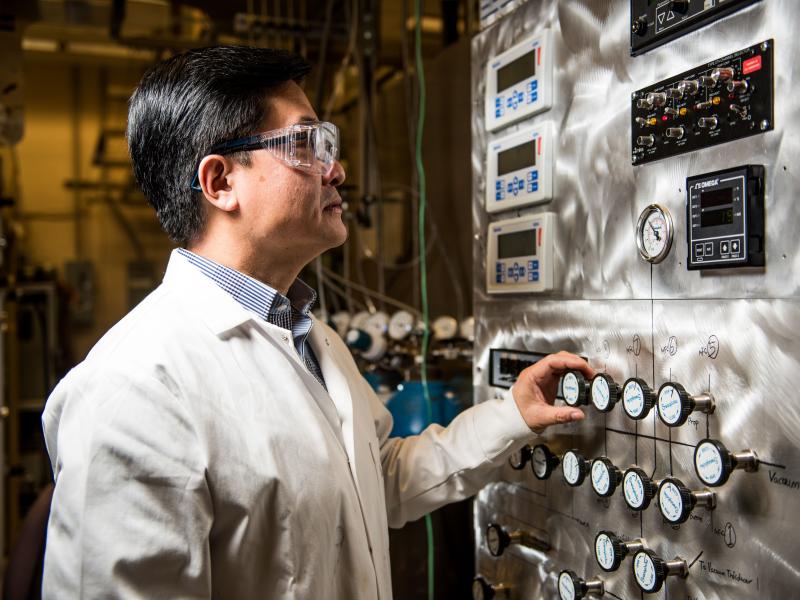
Yong Wang will lead the Institute for Integrated Catalysis, advancing the science and technology of catalysis to address global challenges in energy resilience.
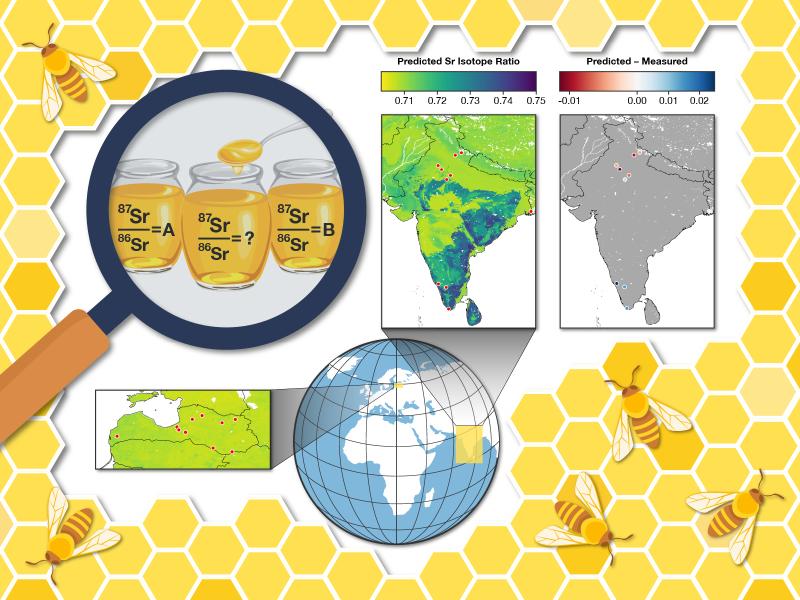
A study by researchers at PNNL assessed the feasibility of using strontium isotope ratios and an existing machine learning–based model to predict and verify a product’s source—in this case, honey.
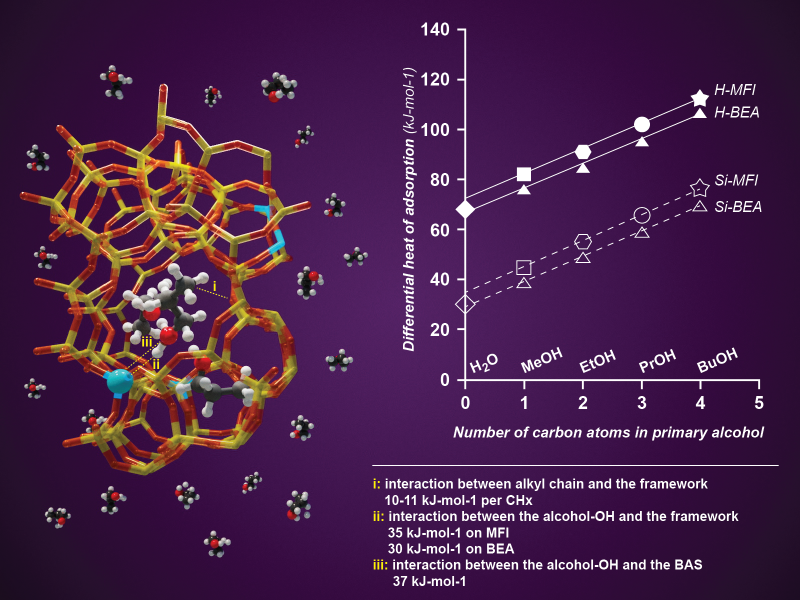
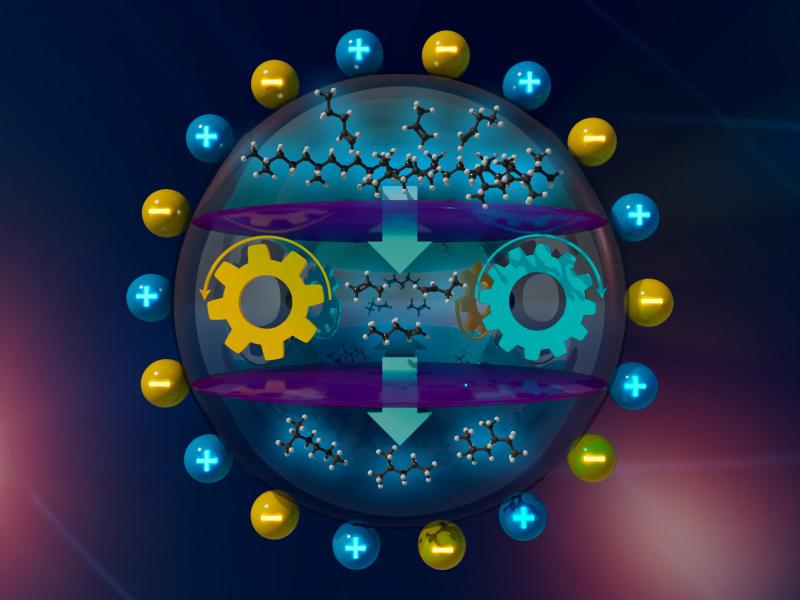
A comprehensive investigation provides quantitative data on the interaction between zeolite pores and linear alcohols, with hydroxyl group interactions playing the largest role.
PNNL researchers continue to deliver high-quality, high-impact research on radioactive waste and nuclear materials management, earning “Papers of Note” and “Superior Paper” awards.
Through an unprecedented collaboration with Idaho, Savannah River, and Argonne national laboratories, the Athena Project has built a network of nearly 150 scientists.
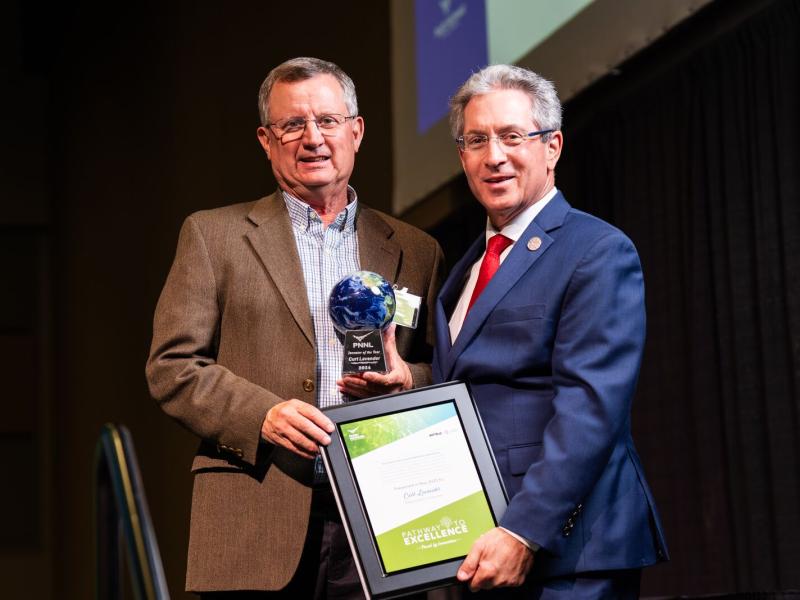
From vehicles and airplanes to solid-phase processing of metals—how Curt Lavender and his team at PNNL solve industry problems with practical ingenuity.
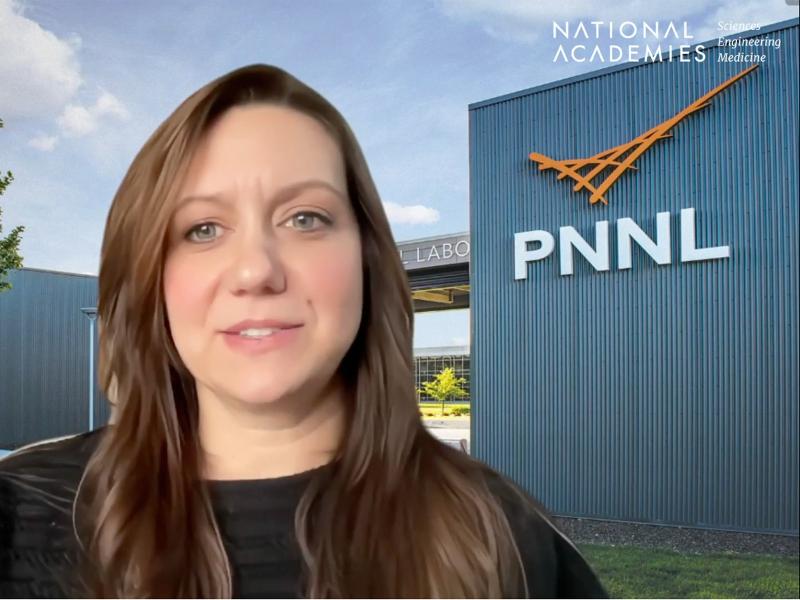
Lauren Charles, a chief data scientist at PNNL, showcased the vital research coming out of her program at The National Academies Forum workshop in Washington, D.C., January 15–16, 2025.