Testing the assumption that different future socio-economic development patterns, which result in different land-use changes, can be paired with different future climate outcomes for risk assessments in a multi-model framework.
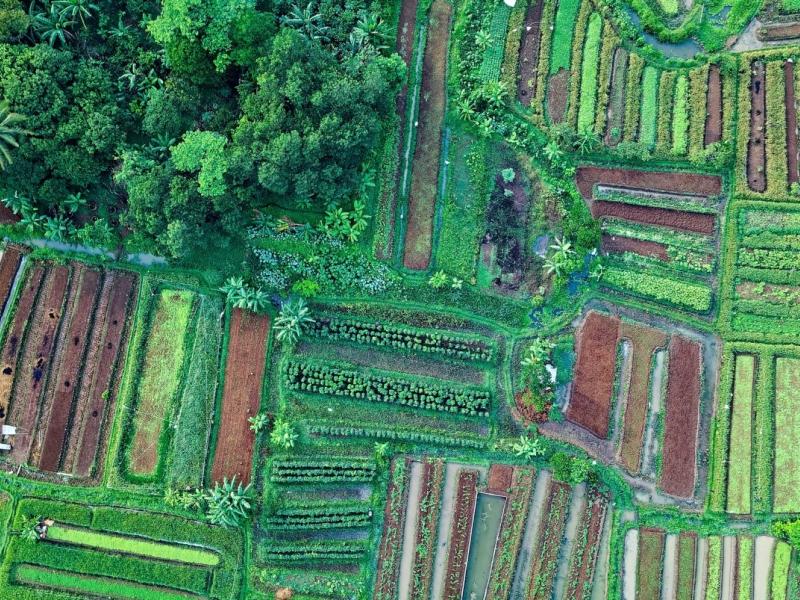
Incorporating spatially explicit land characteristics in a global model illustrates the complex effects of applying uniform regional protection assumptions in a global analysis.
Jonathan Forman was nominated to serve on the delegation of the United States of America at the second meeting of the Working Group on Strengthening the Biological Weapons Convention.
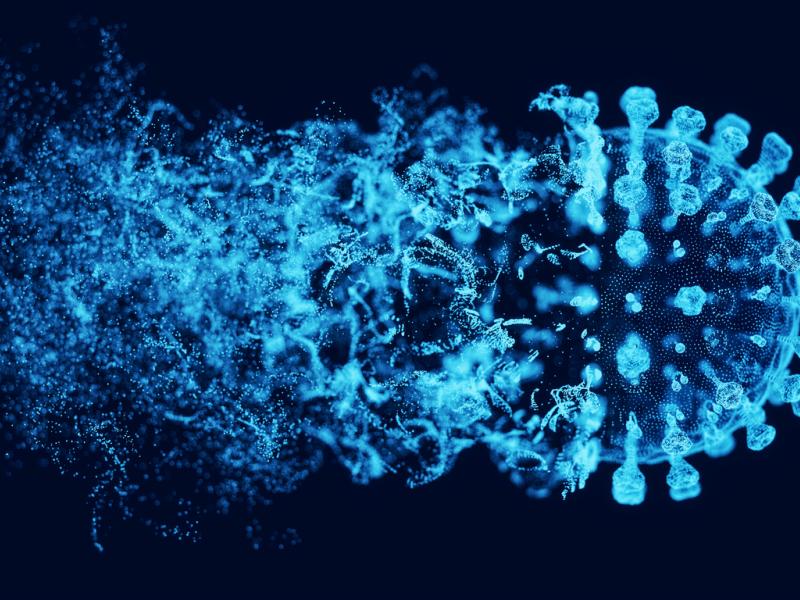
Scientists at PNNL were awarded nearly $12 million to better understand pathogens, how they spread, and how to prepare the nation against future outbreaks.
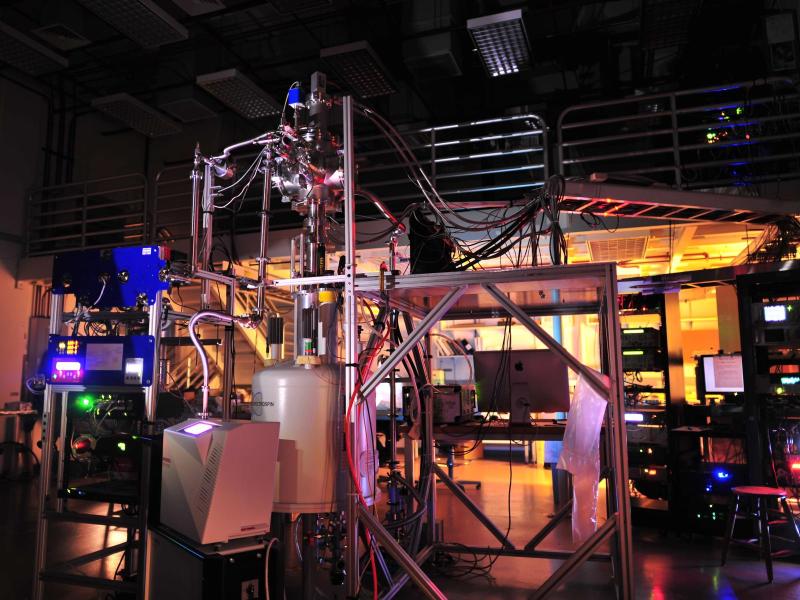
Neutrino mass, a crucial piece of many unresolved physics puzzles, may one day be revealed through a novel measurement system that has just proven its mettle: Cyclotron Radiation Emission Spectroscopy.
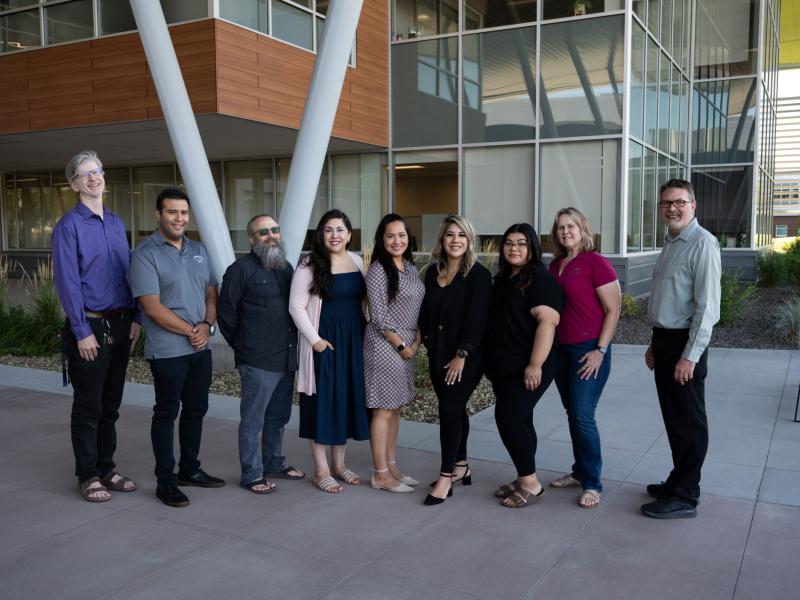
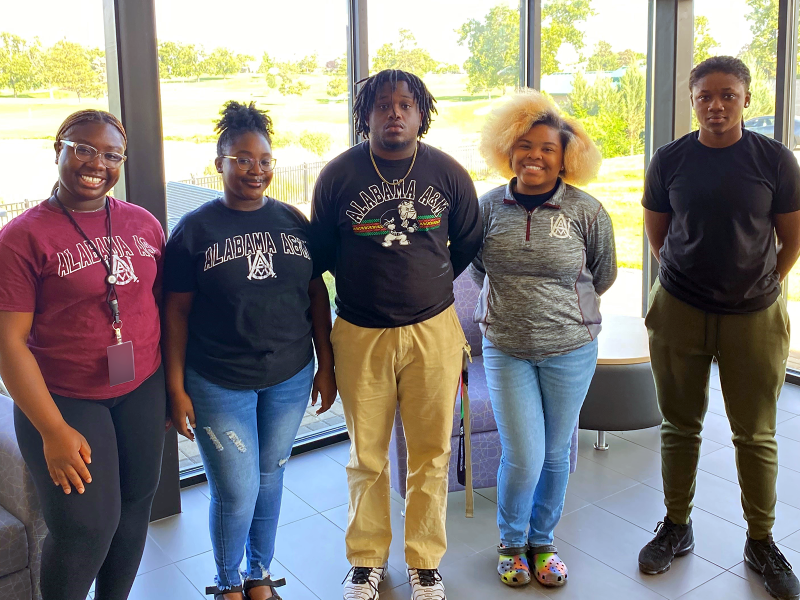
Germany Harris, Dewayne Maye, Sarah Olocha, Shaniya Pettway, and Rayonna Redmon became the first interns of the Minority Serving Institution Partnership Program Partnership for Radiation Studies Consortium at PNNL.
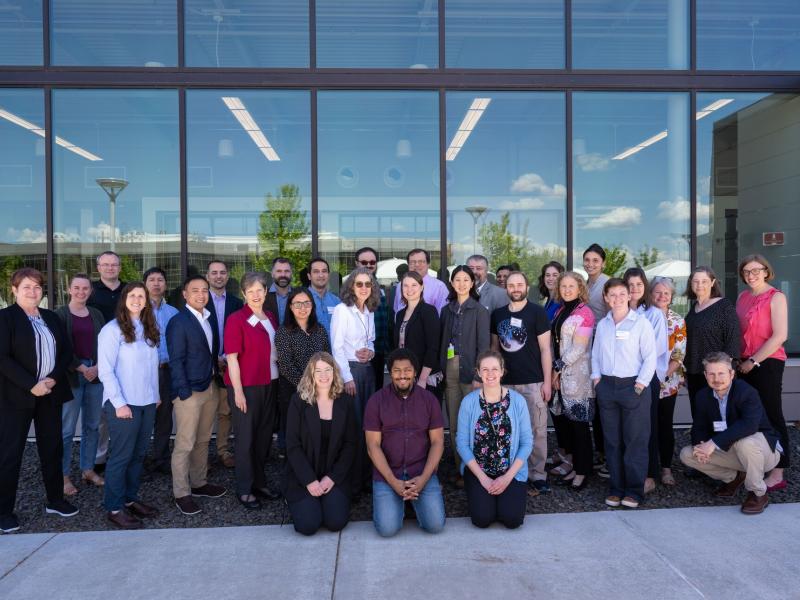
The Human Factors Symposium took place at Discovery Hall at PNNL in May 2023. Fifty-seven attendees participated in the three-day event representing 15 different institutions.
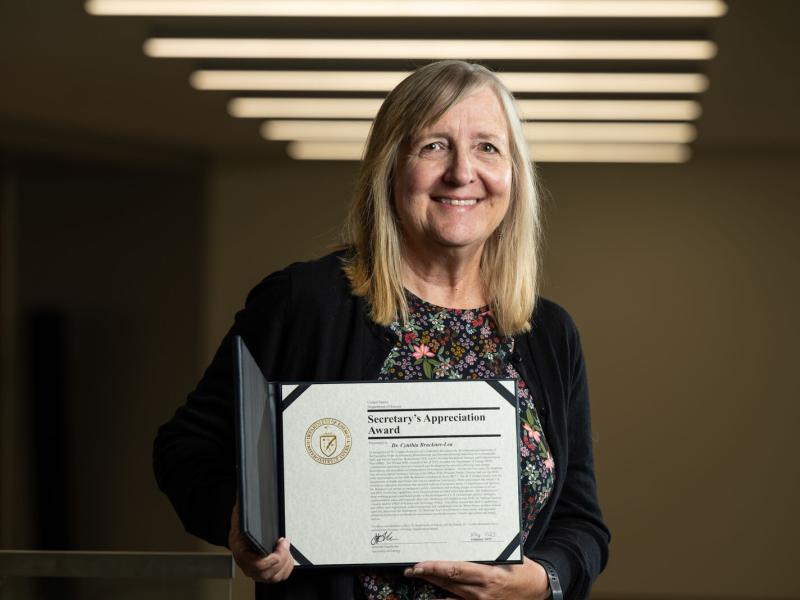
For her most recent efforts, Bruckner-Lea, a senior technical advisor at PNNL, received the Secretary’s Appreciation Award from the U.S. Secretary of Energy Jennifer Granholm in July.
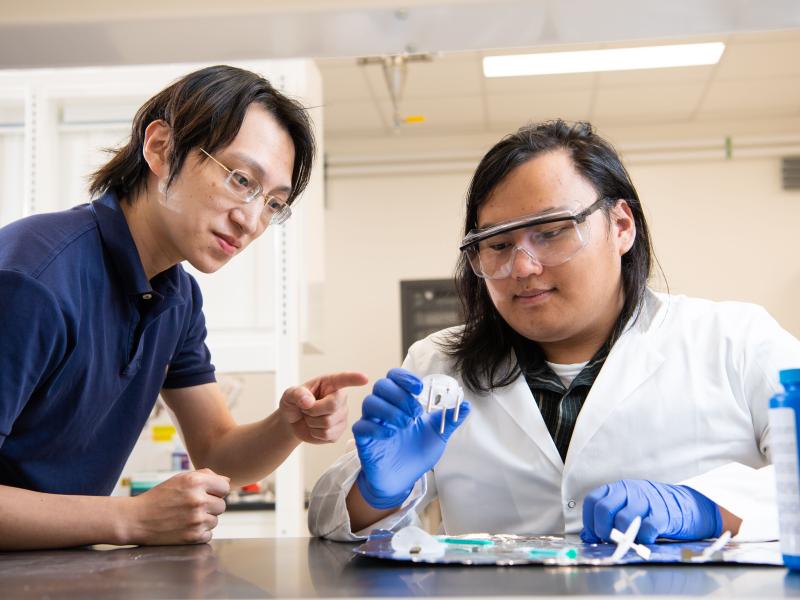
Summer is for science! PNNL’s interns are diving into science and technology and getting a front-row view of the research and development of a national laboratory.
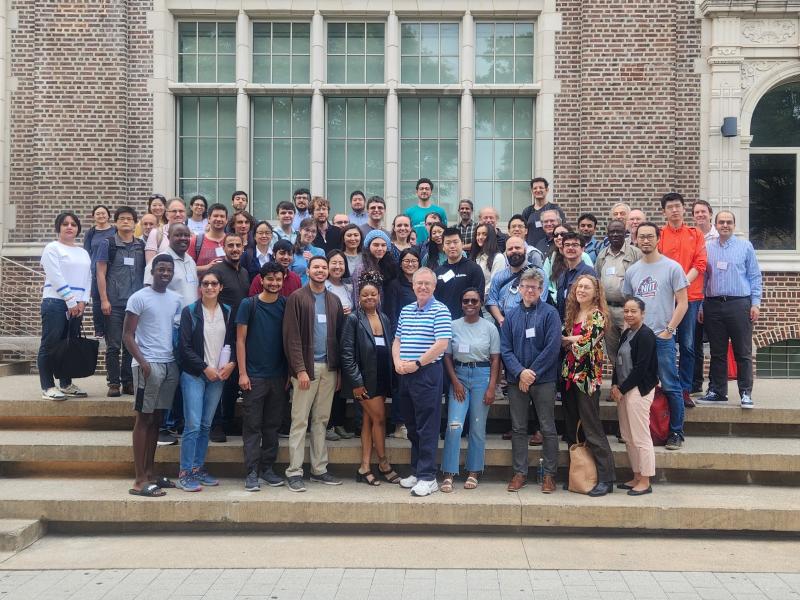
At the Nonproliferation, Counterproliferation, and Disarmament Science Gordon Research Conference, researchers from PNNL shared research and scientific approaches for countering diverse threats.