PNNL was invited to participate on an expert panel with scientists, law enforcement officials, addiction experts, public health officials, and families.
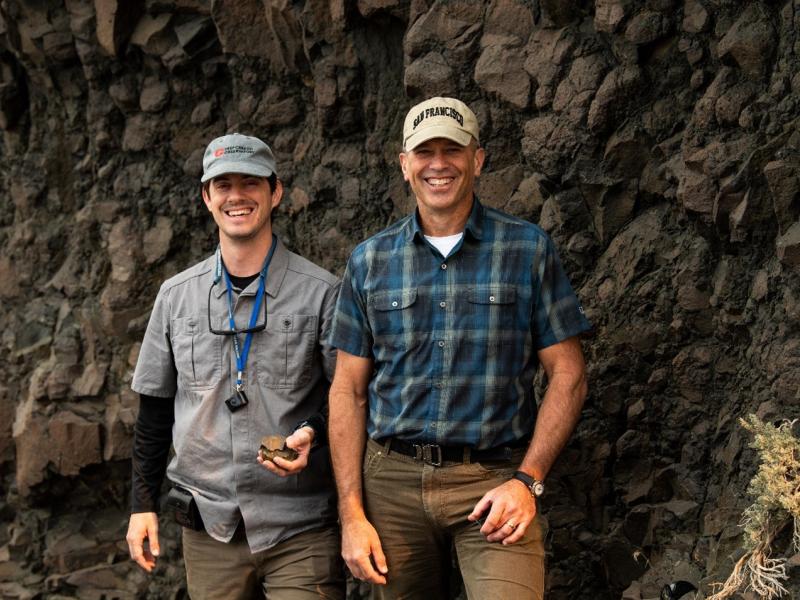
A decade after working as a post-bachelor’s researcher at PNNL, chemist Quin Miller is helping develop the workforce for the critical minerals-focused mines of the future.
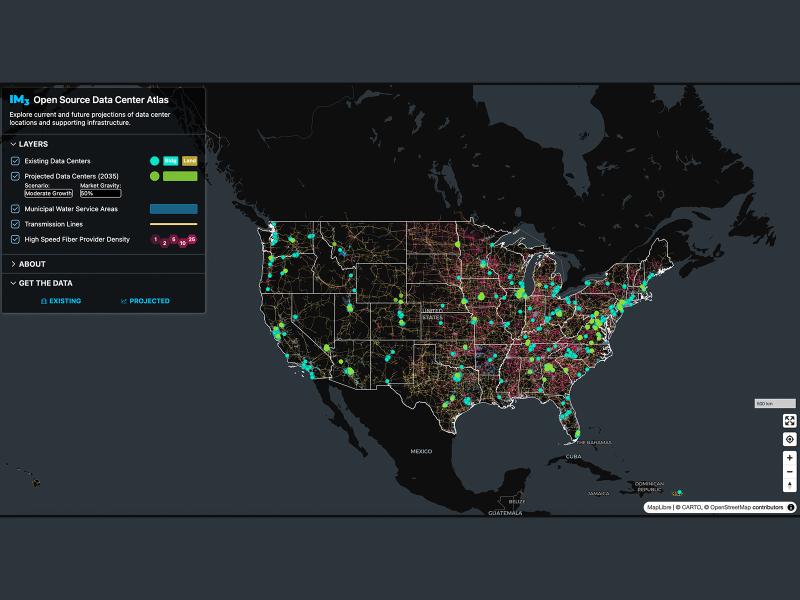
Now, anyone can easily explore and access data from a nationwide map of data centers, the infrastructure that powers them, and projections of future data center locations.
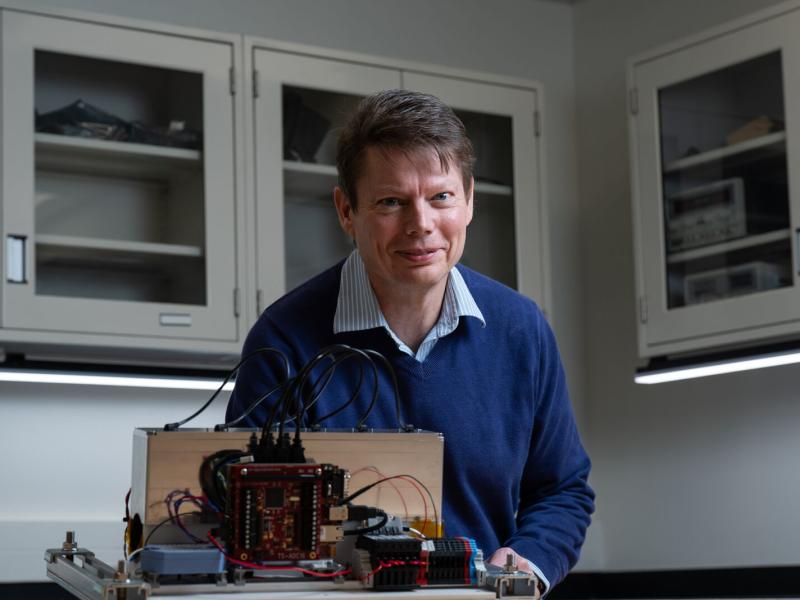
The PNNL-developed UF6 Gas Enrichment Sensor (UGES) prototype is the next generation of a previous enrichment monitoring device—namely the Online Enrichment Monitor. UGES will increase the accuracy of uranium measurements.
A modeling study shows that adding batteries to a dam could decrease the wear and tear on hydropower turbines and open up new opportunities for dam operators to earn revenue.
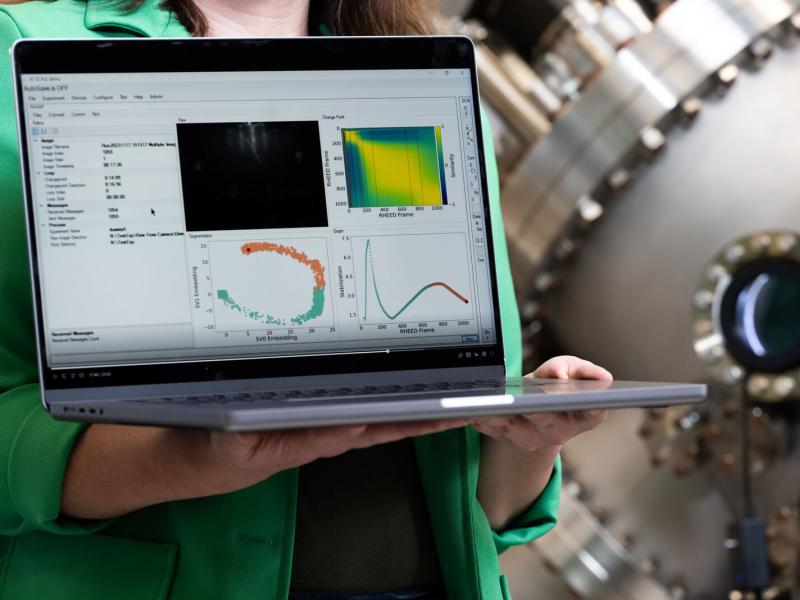
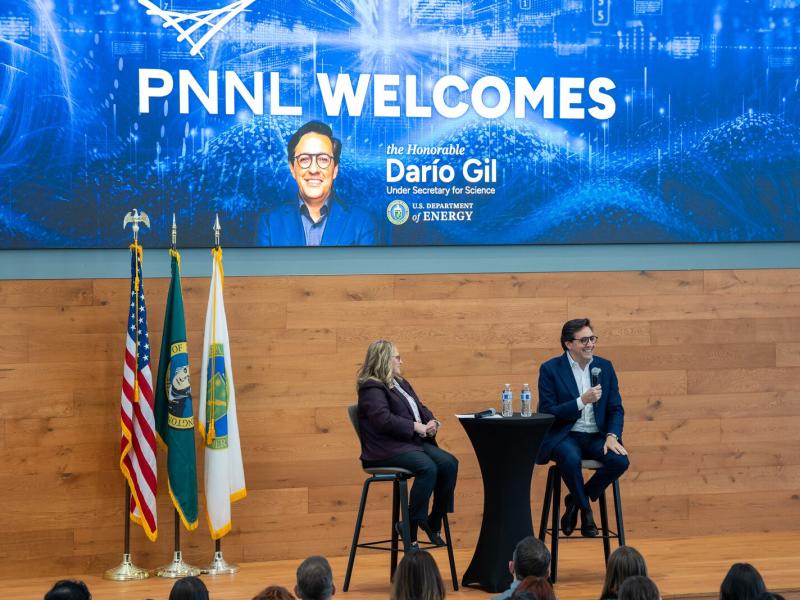
The Genesis Mission will mobilize the Department of Energy’s 17 National Laboratories, industry, and academia to build an integrated discovery platform.
Researchers at PNNL share a research- and practitioner-informed approach to assess the threat landscape, elicit and integrate feedback into solutions, and ultimately share outcomes with the emergency response and public safety community.