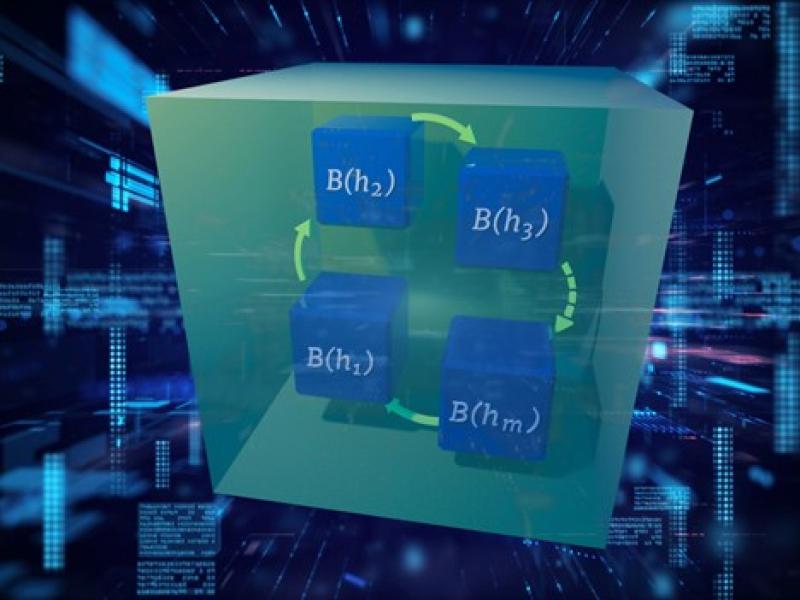
A new AI model developed at PNNL can identify patterns in electron microscope images of materials without requiring human intervention, allowing for more accurate and consistent materials science.
PNNL is supporting the Department of Homeland Security Science and Technology Directorate's Chemical Security Analysis Center in improving capabilities to enhance detection and analysis of chemical threats.
PNNL chief scientist and joint appointee Auroop Ganguly was recently appointed a Distinguished Member of the Association for Computing Machinery, a high honor from the world's largest computer science society.
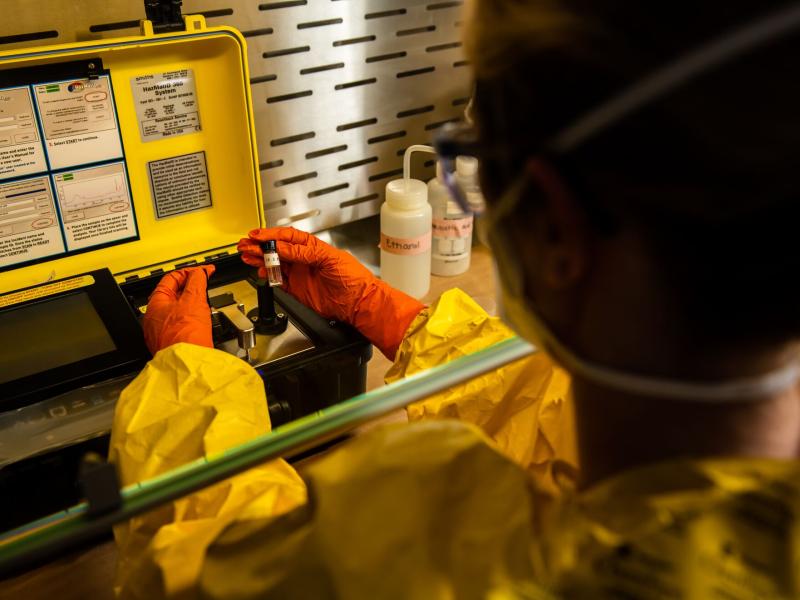
A new report highlights the results of an assessment PNNL conducted of field-portable detection products used by first responders to detect illicit substances like fentanyl in the field.
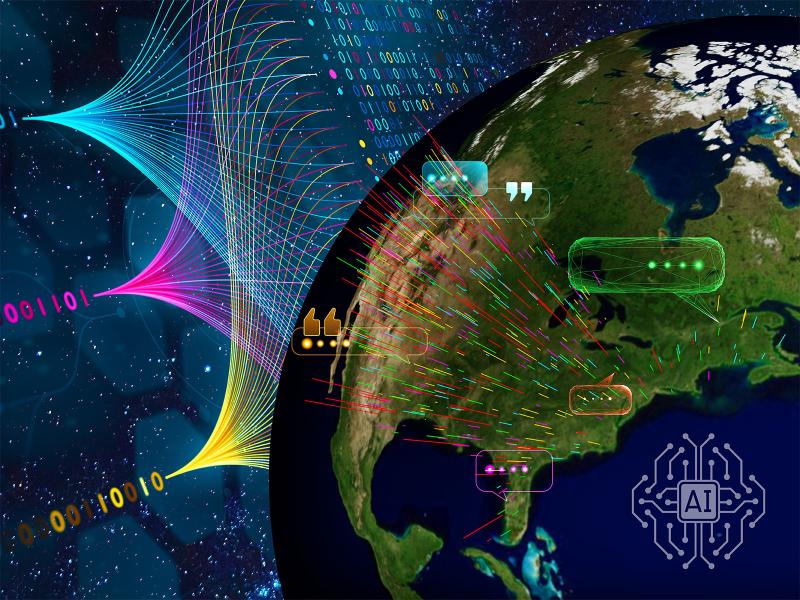
ChatGrid™ is a practical application of the Department of Energy’s exascale computing efforts and offers a new experience in easy, intuitive, and interactive data interaction.
Ang participated in a White House-hosted CHIPS R&D event and roundtable discussion with senior leaders from industry, academia and key government agencies.
PNNL’s Center for the Remediation of Complex Sites convened attendees from around the world to discuss challenges associated with environmental contamination.
A special issue of the International Journal of Nuclear Security, in collaboration with the National Nuclear Security Administration Nuclear Security Women Initiative, focuses exclusively on gender in international nuclear security.
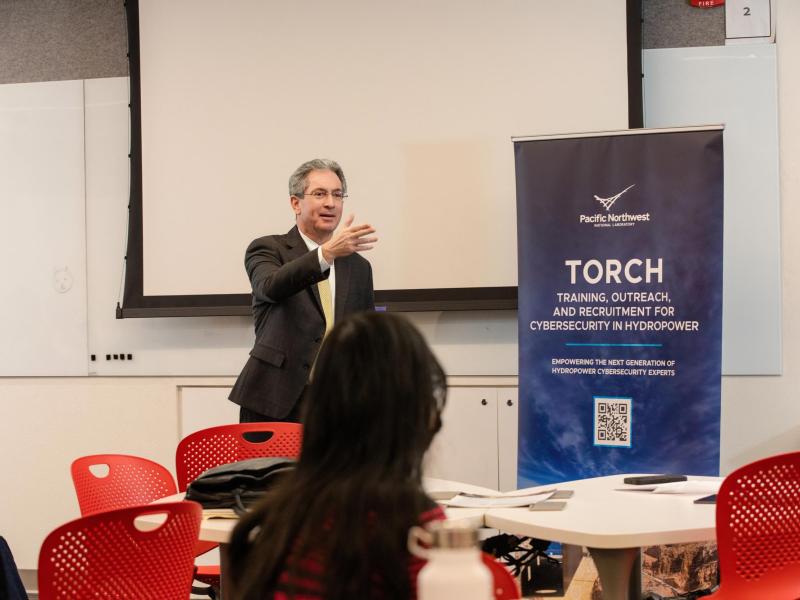
Pacific Northwest National Laboratory launches the Training Outreach and Recruitment for Cybersecurity Hydropower program at the University of Texas at El Paso.