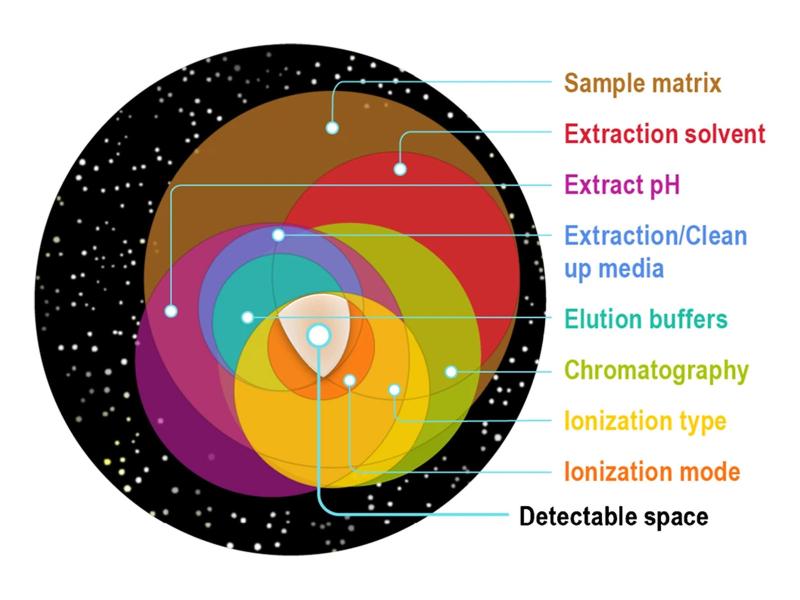
The ChemSpace Tool, when fully developed, is intended to divide chemical space into three subsets: the detectable space, the identifiable space, and the region that includes compounds that are not detectable or identifiable.
Jingshan Du was named an associate editor of the journal Frontiers for Young Minds, which publishes articles about scientific research for young readers.
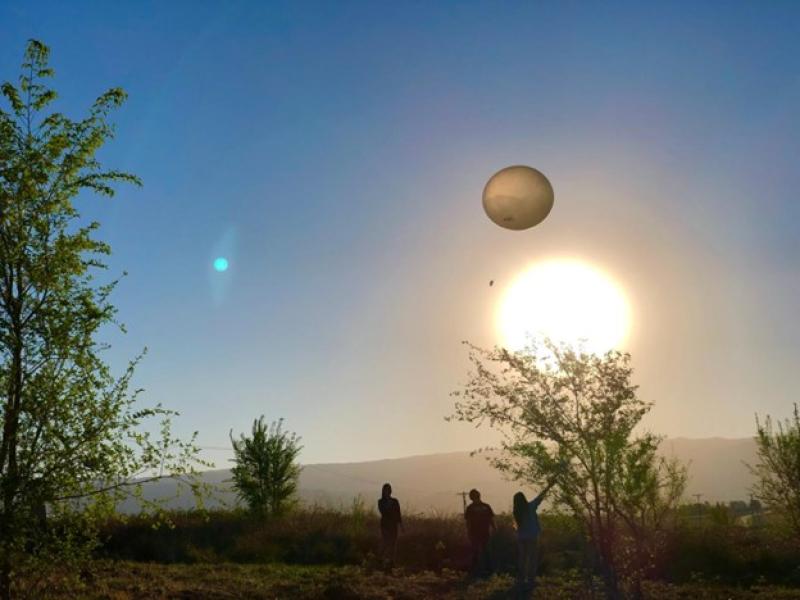
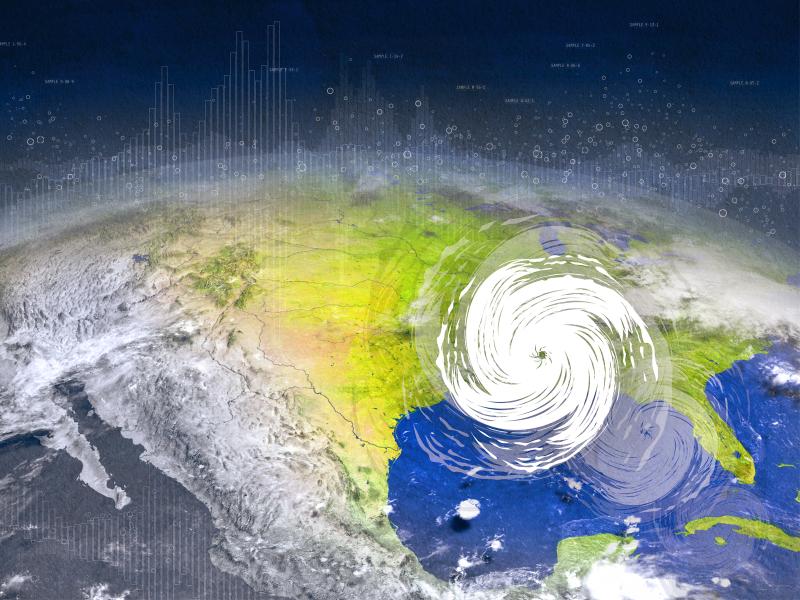
Assessing observed weather conditions that support or suppress the growth of clouds into deep precipitating storms during the Cloud, Aerosol, and Complex Terrain Interactions experiment.
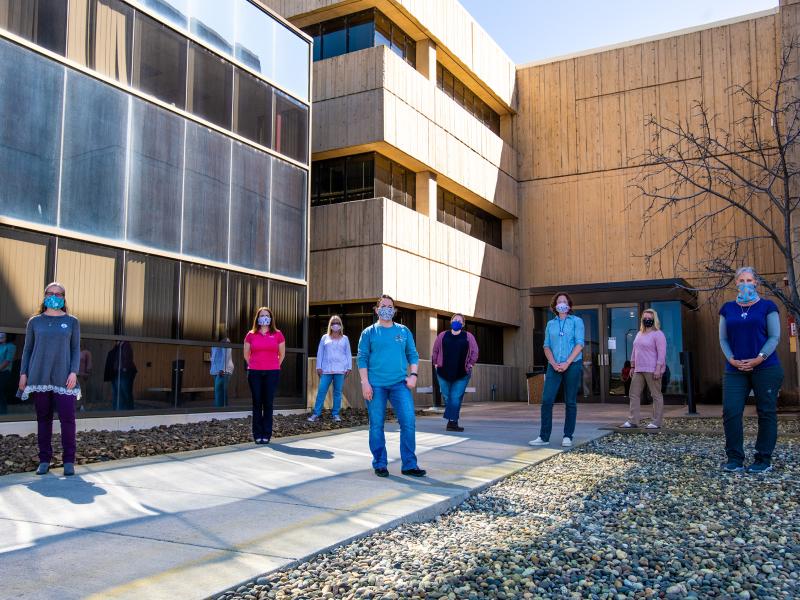
COVID-19 infections at PNNL early in the pandemic were caused by a wide variety of viral sequences, according to a new analysis by Laboratory researchers.
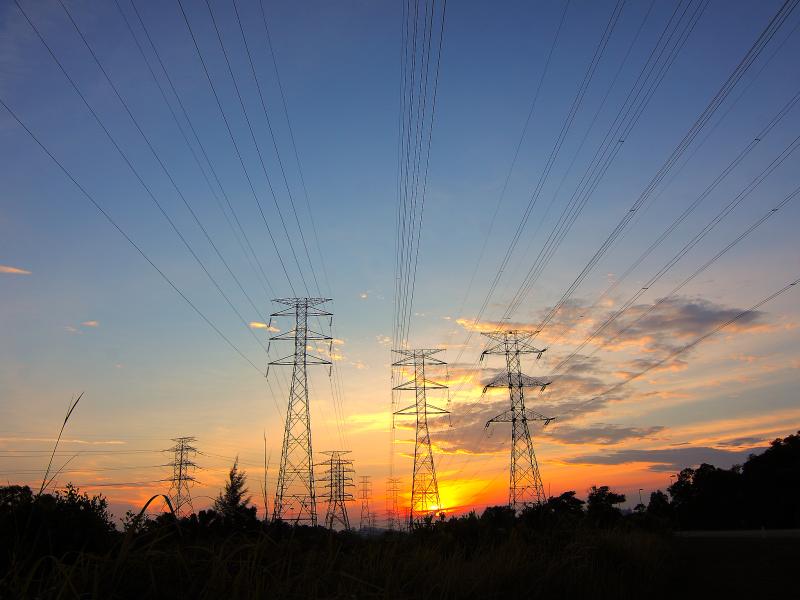
As the world races to discover solutions for reaching net zero carbon emissions, a PNNL analysis quantifies the economic value of the existing nuclear power fleet and its carbon-free energy contributions.
Ann Lesperance has been invited to continue her role on the Domestic Preparedness advisory board, which convenes multidisciplinary subject matter experts to support the Domestic Preparedness Journal's editorial plan.
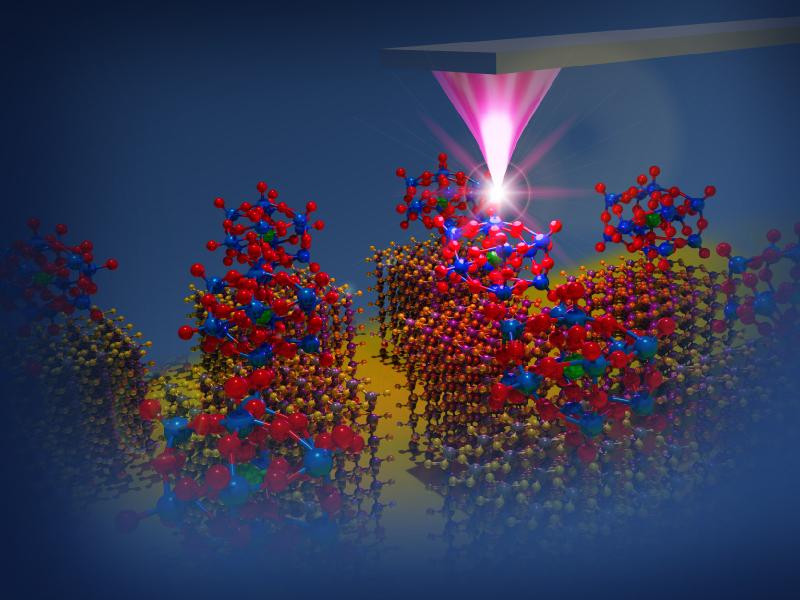
A combined experimental and theoretical study identified multiple interactions that affect the performance of redox-active metal oxides for potential electrochemical separation and quantum computing applications.