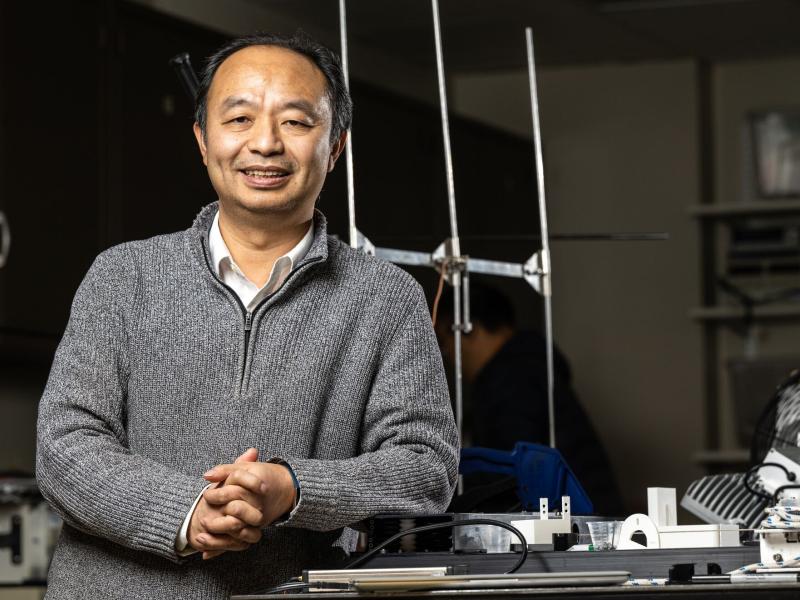
Zhiqun (Daniel) Deng, Lab Fellow at PNNL, has been named a fellow of the American Society of Mechanical Engineers, an honor that recognizes outstanding engineering achievements.
PNNL biodefense experts seek to identify, understand and mitigate the risks of biological pathogens—whether naturally occurring or intentionally created—so steps can be taken to prepare and respond.
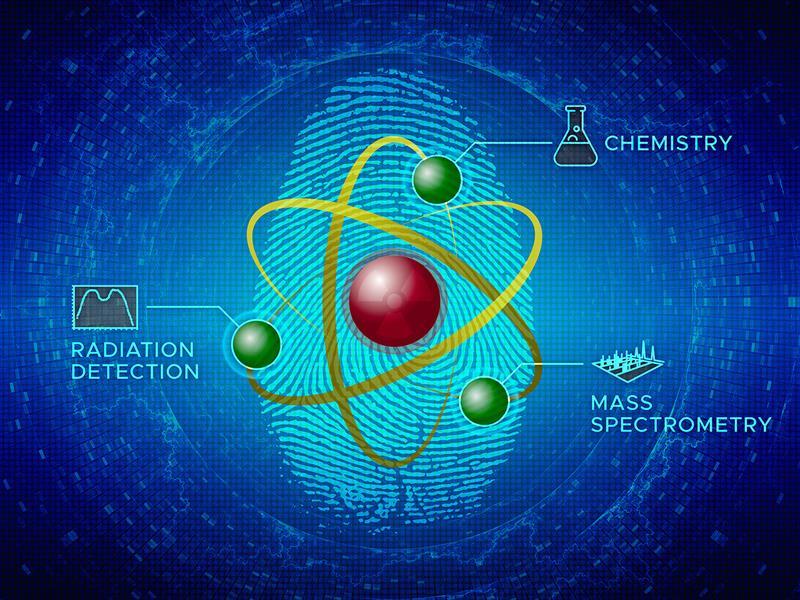
Staff at PNNL recently traveled to Cyprus to facilitate a multilateral workshop on chemical forensics investigations hosted by the U.S. Department of State, Office of Weapons of Mass Destruction Terrorism.
Capstone engineering projects deliver equipment to improve accuracy of chemistry lab elutions and enhance training to safeguard critical infrastructure.
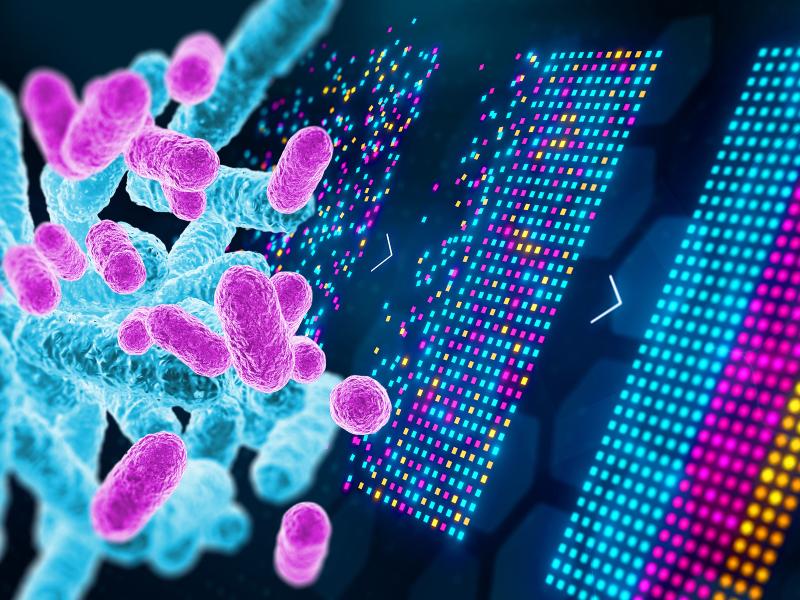
Research at PNNL and the University of Texas at El Paso are addressing computational challenges of thinking beyond the list and developing bioagent-agnostic signatures to assess threats.
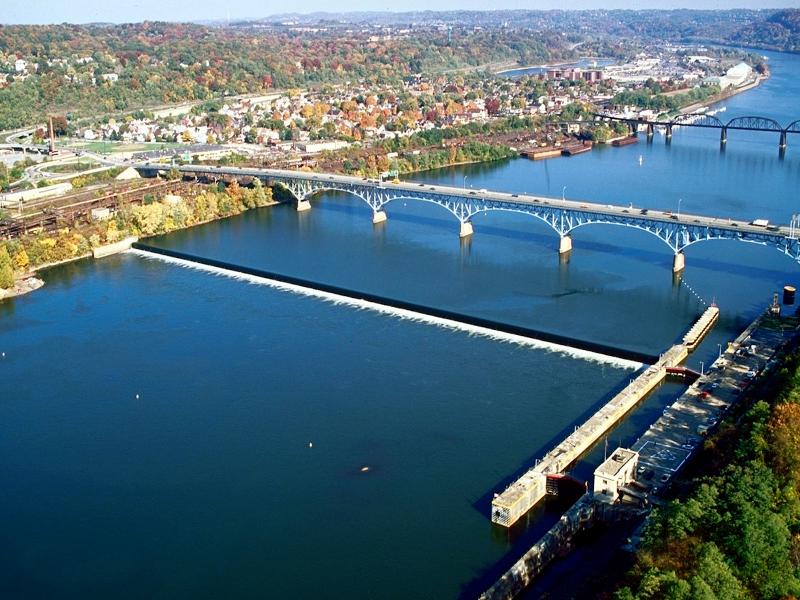
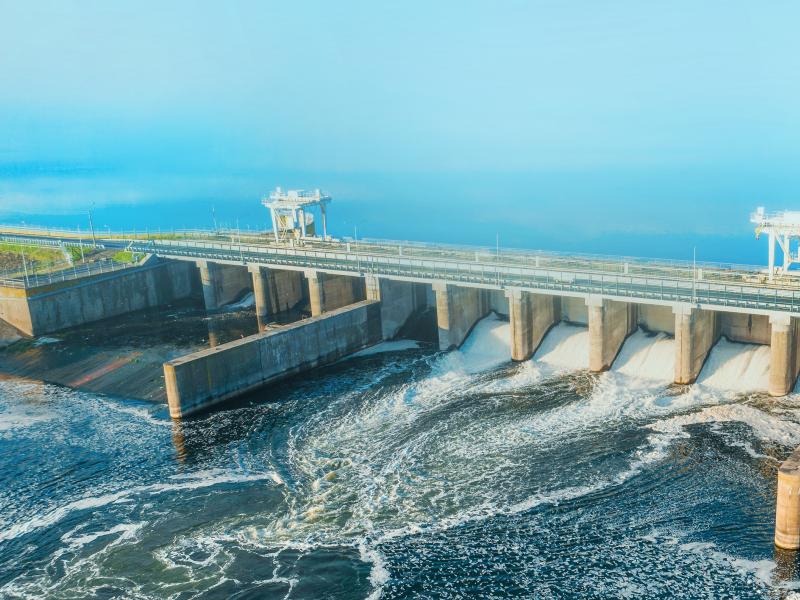
New methodological approach demonstrates how to assess the economic value, including non-traditional value streams, of converting non-powered dams to hydroelectric facilities.
At the Nonproliferation, Counterproliferation, and Disarmament Science Gordon Research Conference, researchers from PNNL shared research and scientific approaches for countering diverse threats.
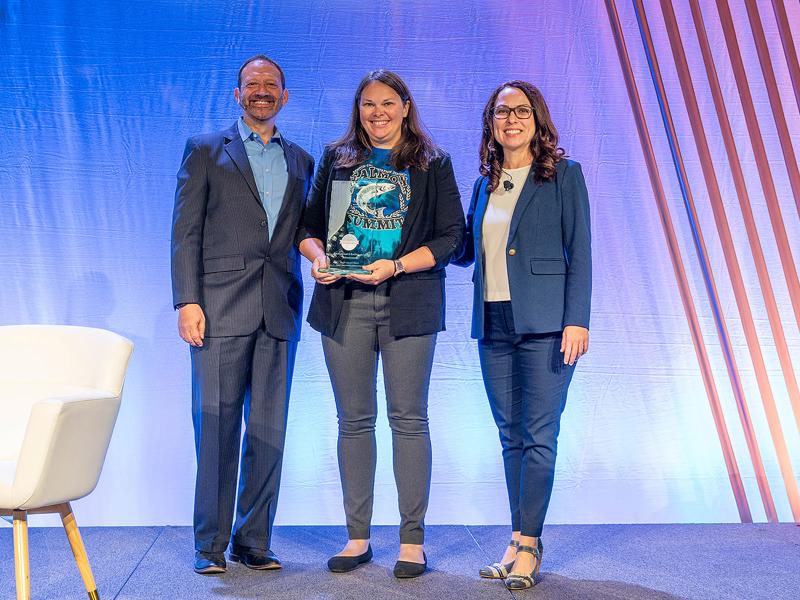
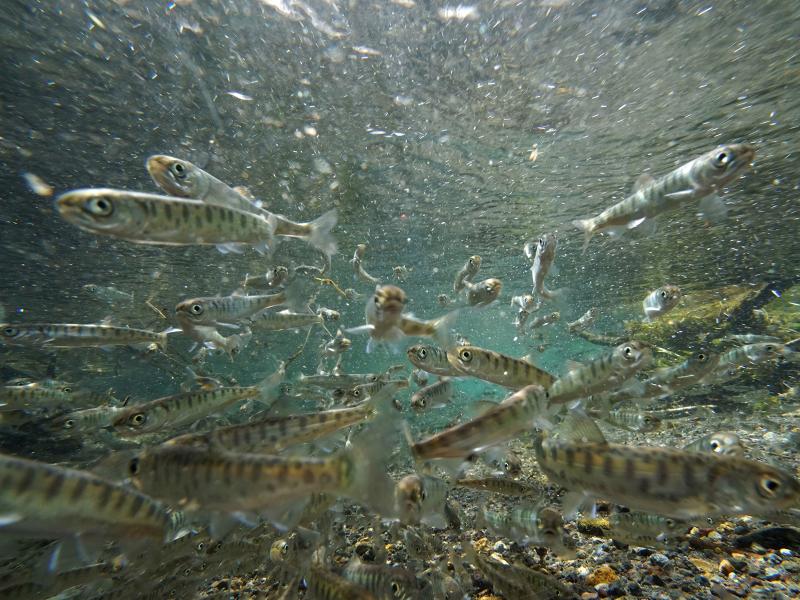
Fish biologist Brenda Pracheil has been named chair of the Low Impact Hydropower Institute focused on reduction of impacts of hydropower dams on the environment.
PNNL research, featured on the cover of two science journals, describes advancements in using Raman spectrometry for Hanford Site nuclear waste remediation.