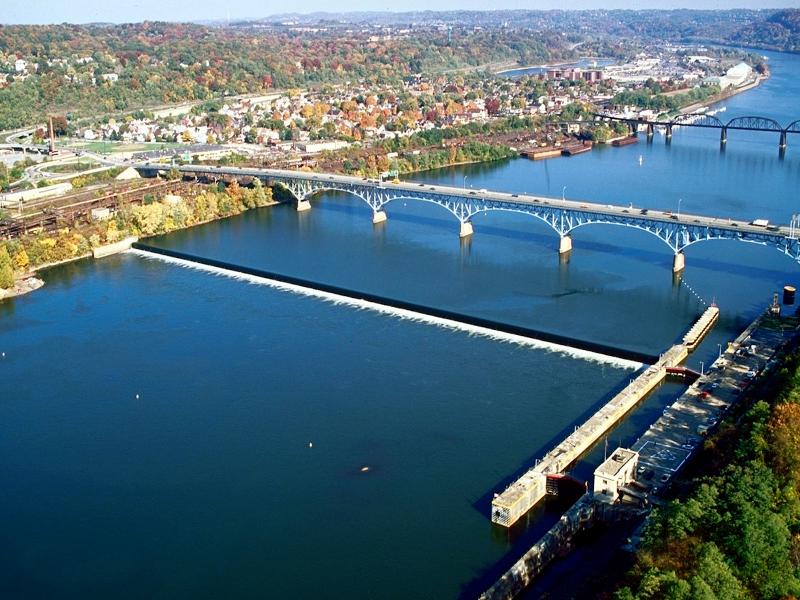
A modeling study shows that adding batteries to a dam could decrease the wear and tear on hydropower turbines and open up new opportunities for dam operators to earn revenue.
From vehicles and airplanes to solid-phase processing of metals—how Curt Lavender and his team at PNNL solve industry problems with practical ingenuity.
Shear Assisted Processing and Extrusion (ShAPE) imparts significantly more deformation compared to conventional extrusion. The latest ShAPE system at PNNL, ShAPEshifter, is a purpose-built machine designed for maximum configurability.
PNNL’s year in review includes highlights ranging from advancing soil science to understanding Earth systems, expanding electricity transmission, detecting fentanyl, and applying artificial intelligence to aid scientific discovery.
A new analysis shows how renewable energy sources like solar, wind and hydropower respond to climate patterns, and how utilities can use this data to save money and invest in energy storage.
A new digital twin platform can help hydropower dam operators by providing accurate and predictive models of physical turbines that improve facilities and enhance reliability.
Although climate change may bring increased precipitation to many parts of the United States, some areas may face drier conditions and lower streamflow, resulting in decreased hydropower generation.
Early life exposure to polycyclic aromatic hydrocarbons (PAHs), found in smoke, has been linked to developmental problems. To study the impacts of these pollutants, PAH metabolism in infants and adults were compared.
PNNL’s patented Shear Assisted Processing and Extrusion (ShAPE™) technique is an advanced manufacturing technology that enables better-performing materials and components while offering opportunities to reduce costs and energy consumption.
Researchers used a combination of sophisticated laboratory incubations and field measurements to determine the role of microbial production and consumption of methane in soils with different exposure to tidal inundation
New methodological approach demonstrates how to assess the economic value, including non-traditional value streams, of converting non-powered dams to hydroelectric facilities.
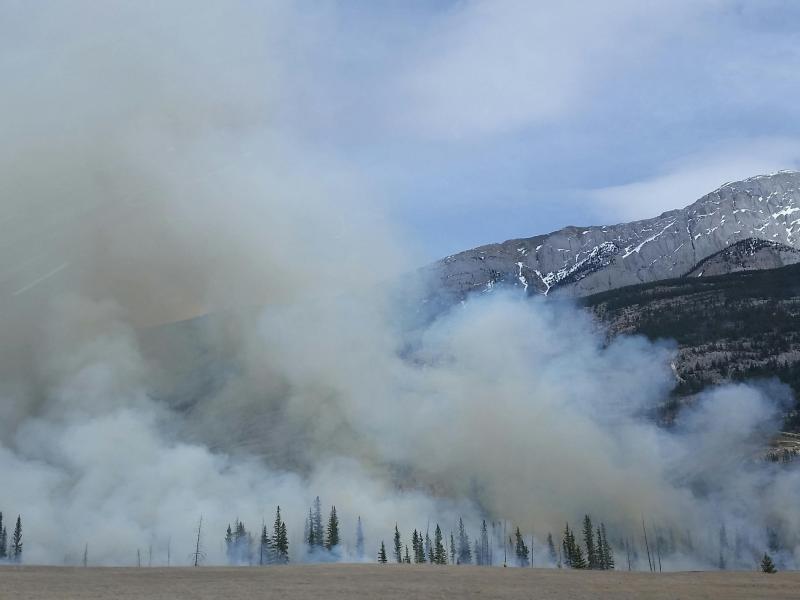
Researchers devised a quantitative and predictive understanding of the cloud chemistry of biomass-burning organic gases helping increase the understanding of wildfires.
PNNL scientists have been studying how rivers and streams breathe. Their research focuses on respiration, organic matter, and natural disturbances that affect rivers and streams.




![Image of the [4Fe-4S] cluster.](/sites/default/files/styles/thumbnail/public/media/image/Raugei%2C%20hero.jpg?h=08b866d1&itok=EJ1D9uUX)