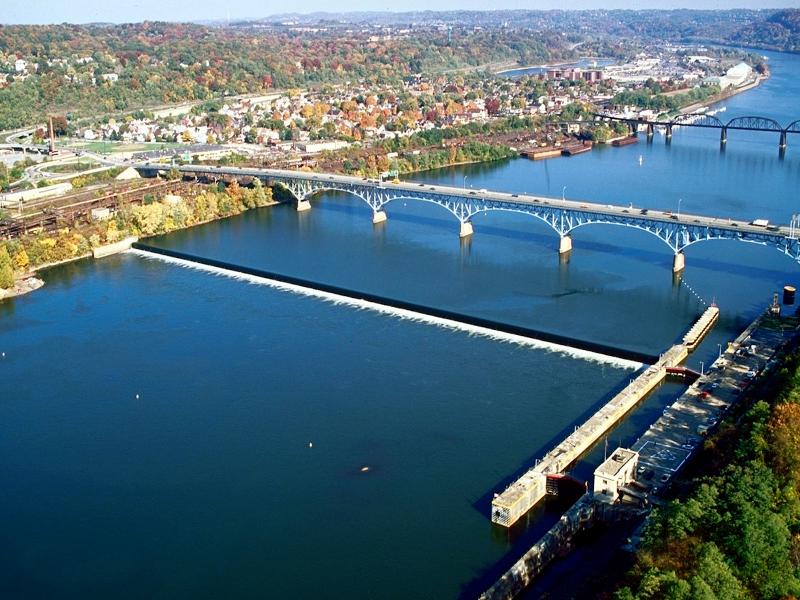
A modeling study shows that adding batteries to a dam could decrease the wear and tear on hydropower turbines and open up new opportunities for dam operators to earn revenue.
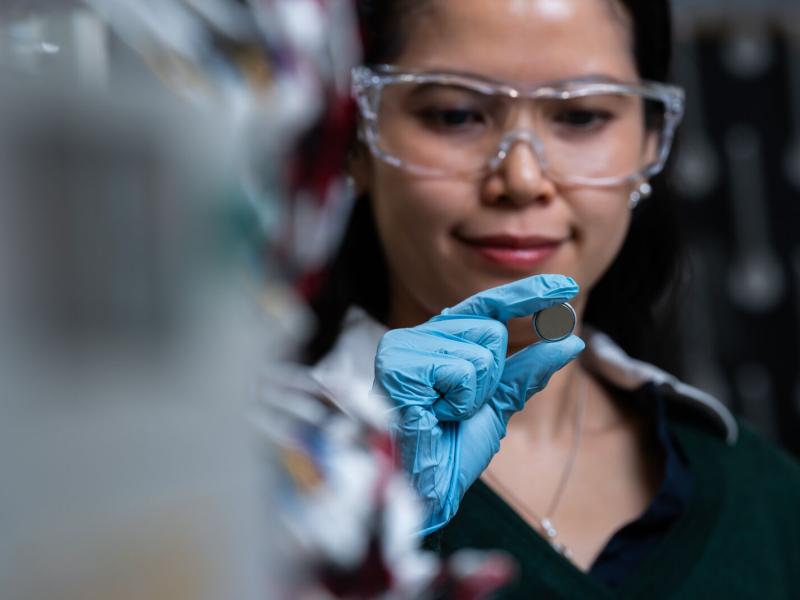
The Low-cost Earth-abundant Na-ion Storage consortium is a major effort to create superior, no-compromise batteries that replace lithium with inexpensive, domestically abundant sodium and use few—if any—critical materials.
Led by interns from multiple DOE programs, a newly expanded dataset allows researchers to use easy-to-obtain measurements to determine the elemental composition of a promising carbon storage mineral.
A multi-institutional team of researchers systematically compared extraction techniques for characterizing plant litter composition that relies on organic matter extraction.
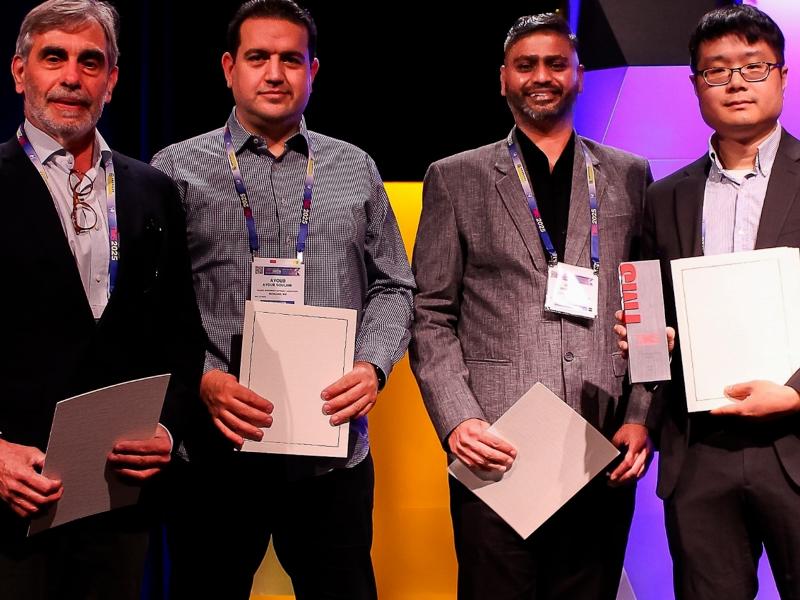
Sergei Kalinin, a joint appointee at the University of Tennessee, Knoxville and PNNL, and Ji-Guang (Jason) Zhang, a PNNL Lab Fellow, are part of the 2024 class of National Academy of Inventors Fellows.
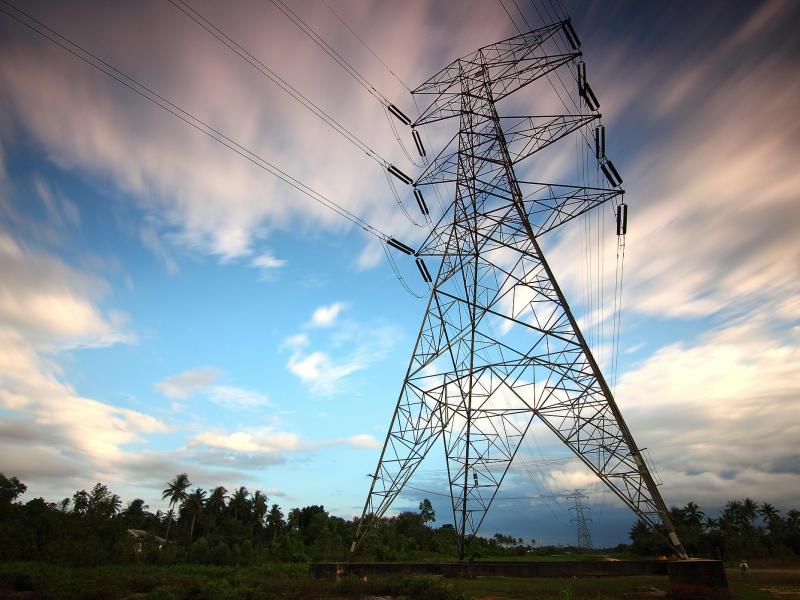
A new analysis shows how renewable energy sources like solar, wind and hydropower respond to climate patterns, and how utilities can use this data to save money and invest in energy storage.
Energy storage is increasingly critical to building a resilient electric grid in the United States—a trend embodied by the Grid Storage Launchpad, a newly inaugurated, 93,000-square-foot facility at PNNL.
A new digital twin platform can help hydropower dam operators by providing accurate and predictive models of physical turbines that improve facilities and enhance reliability.
Research identifies the mechanisms through which peptoids affect ions in solution and a mineral surface, increasing the rate of carbonate crystal growth.
Although climate change may bring increased precipitation to many parts of the United States, some areas may face drier conditions and lower streamflow, resulting in decreased hydropower generation.
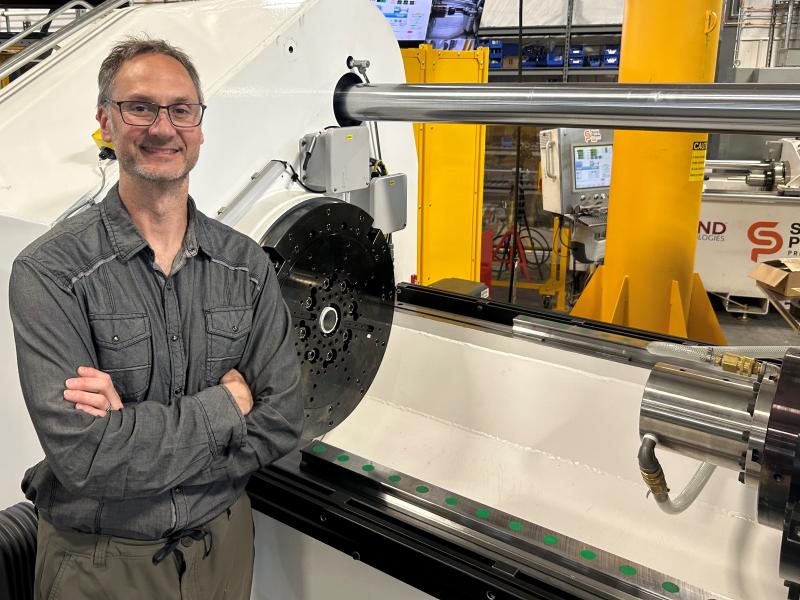
PNNL’s patented Shear Assisted Processing and Extrusion (ShAPE™) technique is an advanced manufacturing technology that enables better-performing materials and components while offering opportunities to reduce costs and energy consumption.
Frederick Day-Lewis, Lab Fellow and chief geophysicist at PNNL, was named the 2024 recipient of the Geological Society of America Public Service Award.
New methodological approach demonstrates how to assess the economic value, including non-traditional value streams, of converting non-powered dams to hydroelectric facilities.