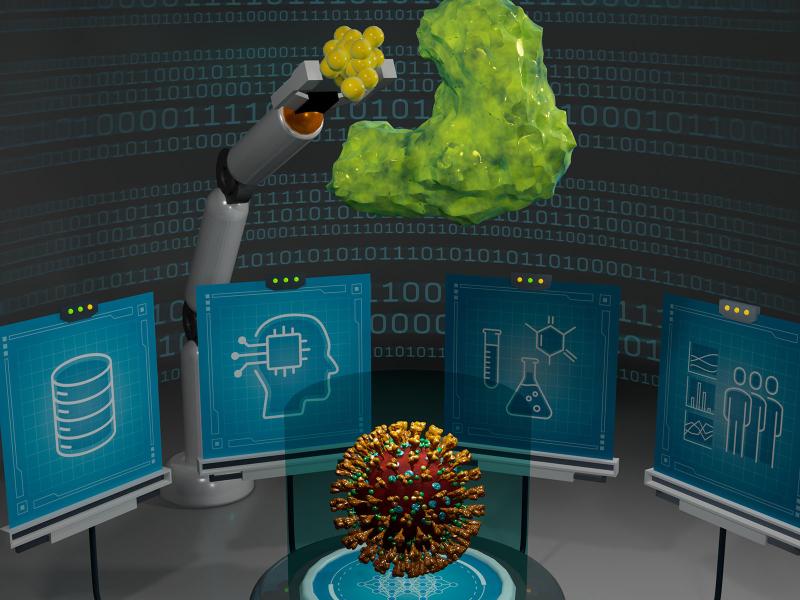
Data-driven autonomous technology to rapidly design and deliver antiviral interventions targeting SARS-CoV-2 to reduce drug discovery timeline and advance bio preparedness capabilities.
Data scientist Jung Lee accepted the position of review editor for Frontiers in Computational Neuroscience after serving as a guest editor for a special issue.
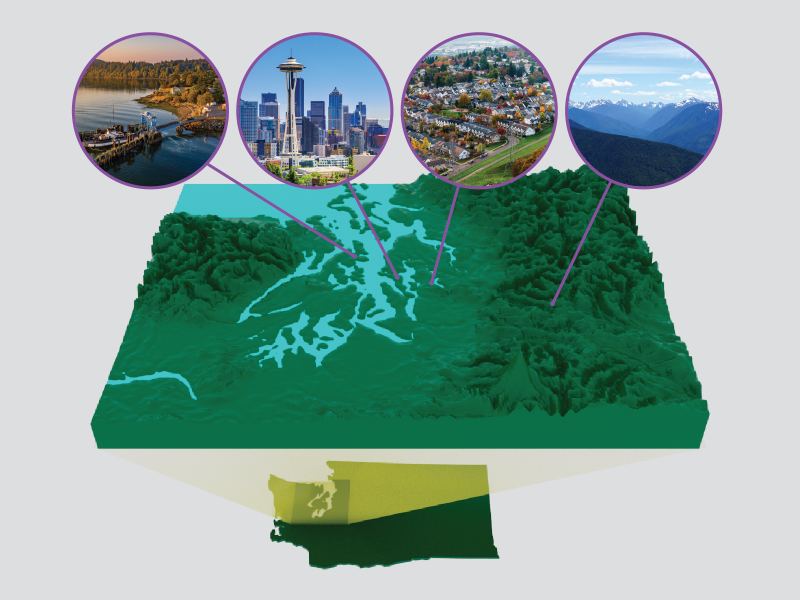
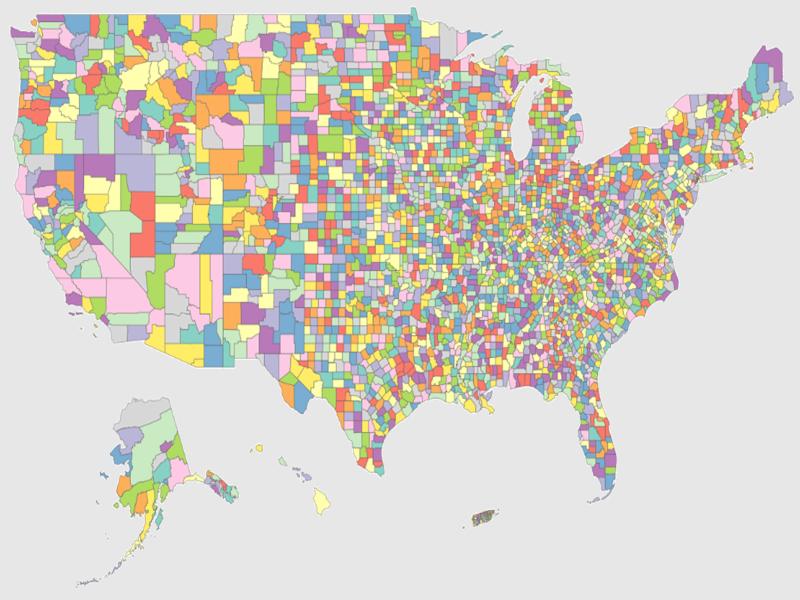
A new report, based on a community workshop and literature review, summarizes some of the biggest challenges in understanding and modeling Earth system and human–Earth system dynamics in the Puget Sound region of Washington State.
The work by the team at PNNL takes a critical step in leveraging ML to accelerate advanced manufacturing R&D, specifically for manufacturing techniques without access to efficient, first-principles simulations.
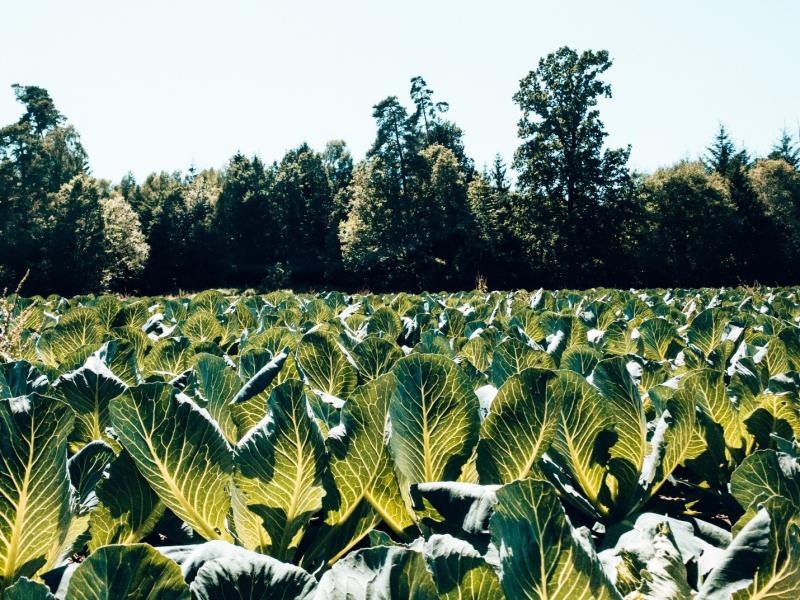
A systematic, multiple scenario approach was used to analyze the compounding impacts of demands for land for biofuels with increased land scarcity under a diverse set of uncertainties.
PNNL mathematician Aaron Luttman contributed to the organizing committee for workshop exploring robust machine learning and artificial intelligence systems for the U.S. Army.
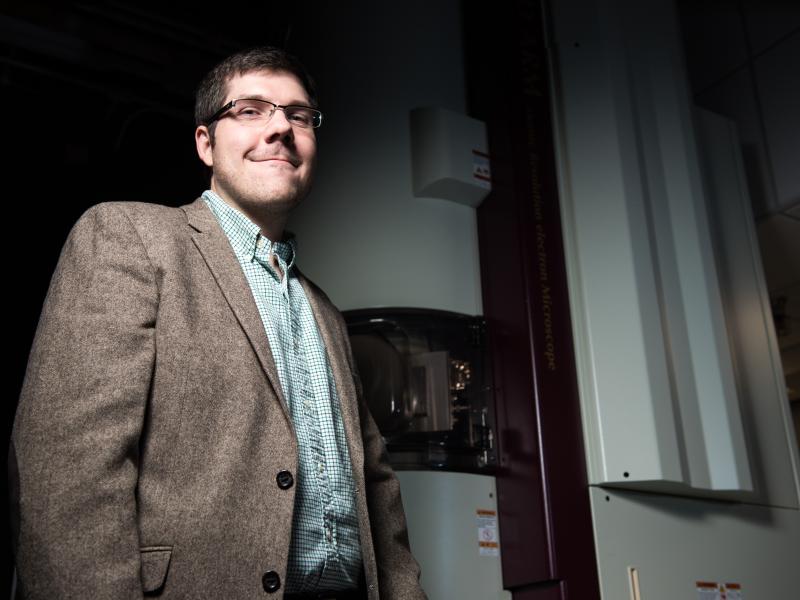
Steven Spurgeon’s research is featured in the cover of the MRS Bulletin along with his team’s invited perspective on the future of machine learning for electron and scanning probe microscopy.
As leaders in AI and machine learning, PNNL experts are sharing their latest findings at the 36th annual Neural Information Processing Systems (NeurIPS) Conference, Nov. 28–Dec. 9, 2022.
The world's current climate pledges won't limit global warming to 1.5 °C. We will overshoot. A new study shows that more ambitious climate pledges could minimize the overshoot.