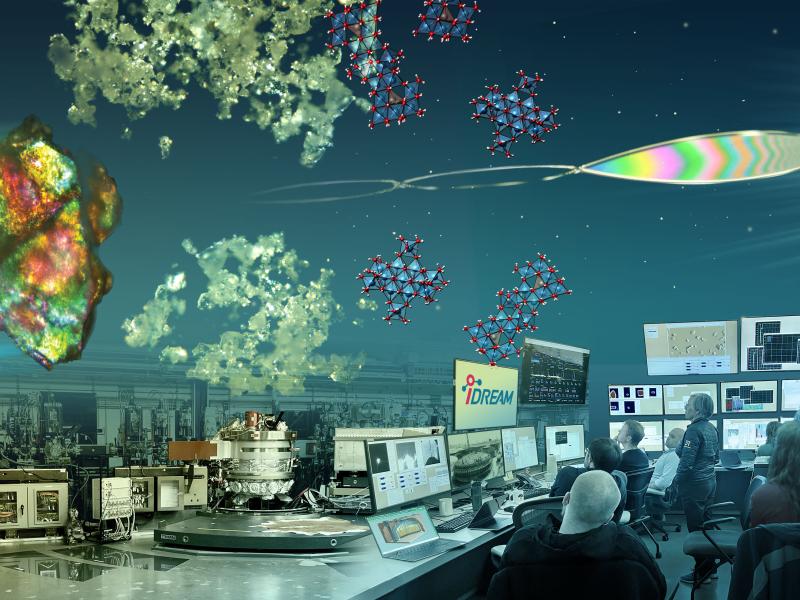
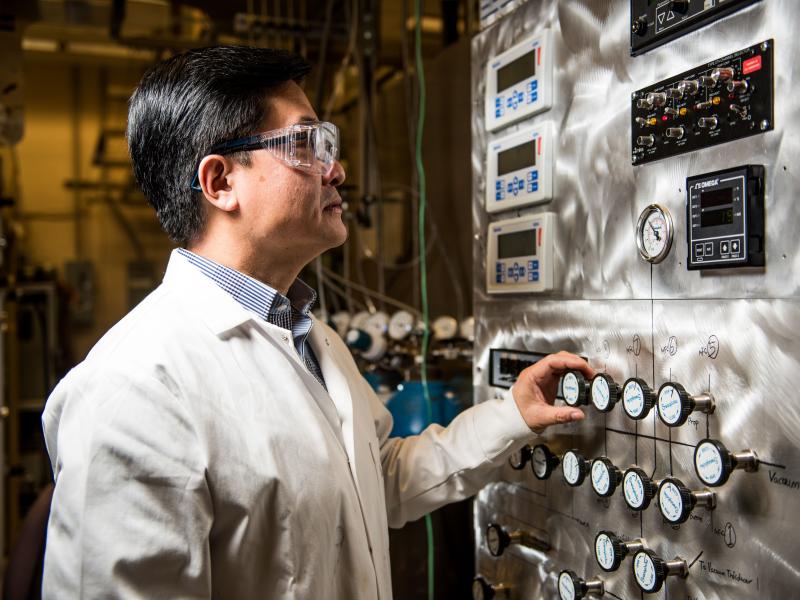
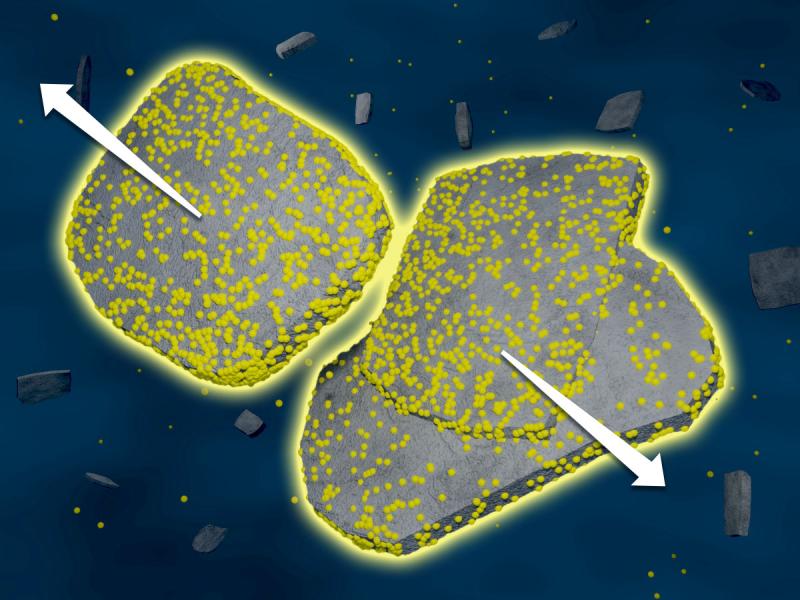
Early career researchers recognized with Team Science Award by the Department of Energy for presentation highlighting the collaborative science performed by IDREAM.
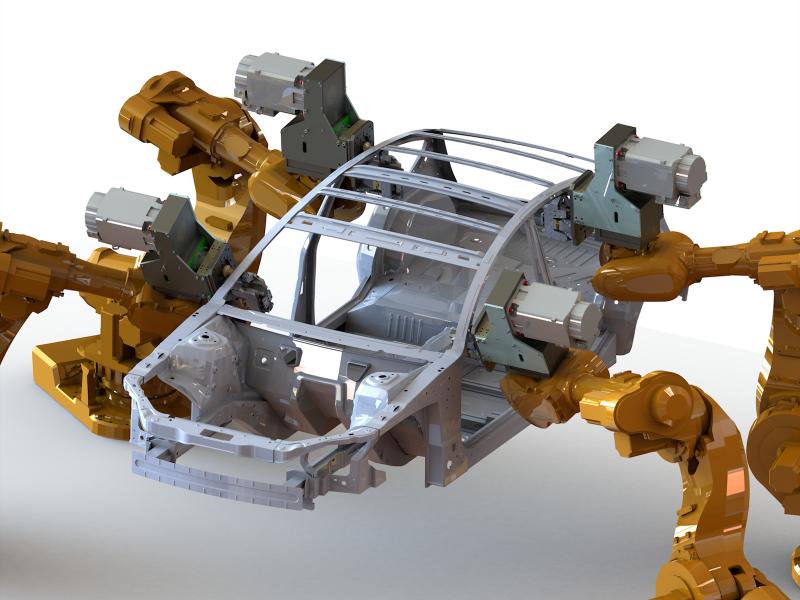
A breakthrough at PNNL could free friction stir from current constraints—and open the door for increased use of the advanced manufacturing technique on commercial assembly lines.
By combining computational modeling with experimental research, scientists identified a promising composition that reduces the need for a critical material in an alloy that can withstand extreme environments.
Four engineers at PNNL received awards for nuclear science presentations related to Hanford Site cleanup at the annual meeting of the world's leading organization for chemical engineering professionals.
PNNL researchers have developed a new, physics-informed machine learning model that accurately predicts how heat accumulates and dissipates during friction stir processing.
PNNL biodefense experts seek to identify, understand and mitigate the risks of biological pathogens—whether naturally occurring or intentionally created—so steps can be taken to prepare and respond.
New funding spurs a new approach to researching the effective retrieval and processing of legacy radioactive waste. Four-year focus of the IDREAM EFRC will link attosecond timescales to decades-long chemical processes.