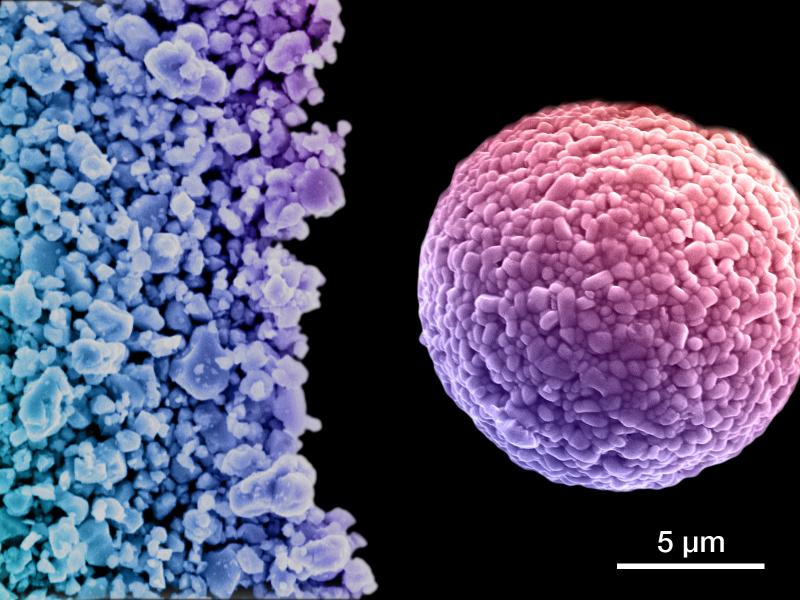
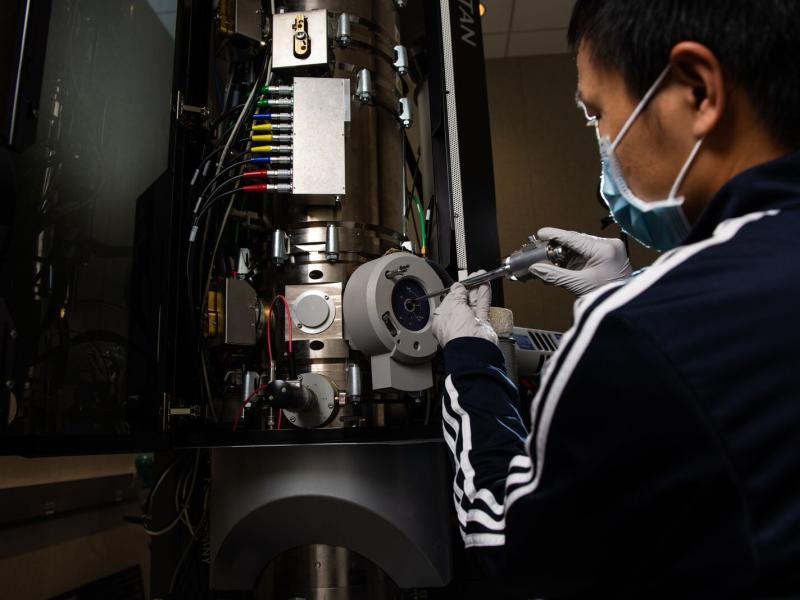
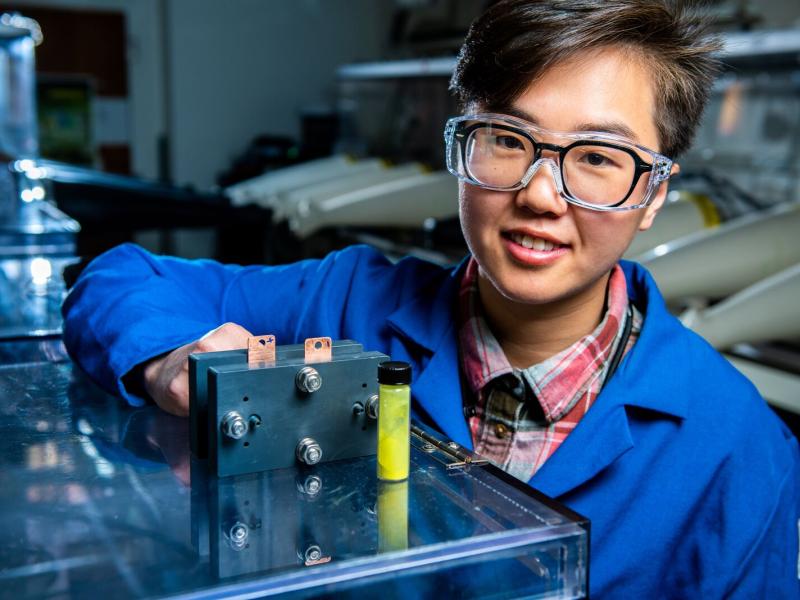
A seemingly simple shift in lithium-ion battery manufacturing could pay big dividends, improving electric vehicles’ ability to store more energy per charge and to withstand more charging cycles.
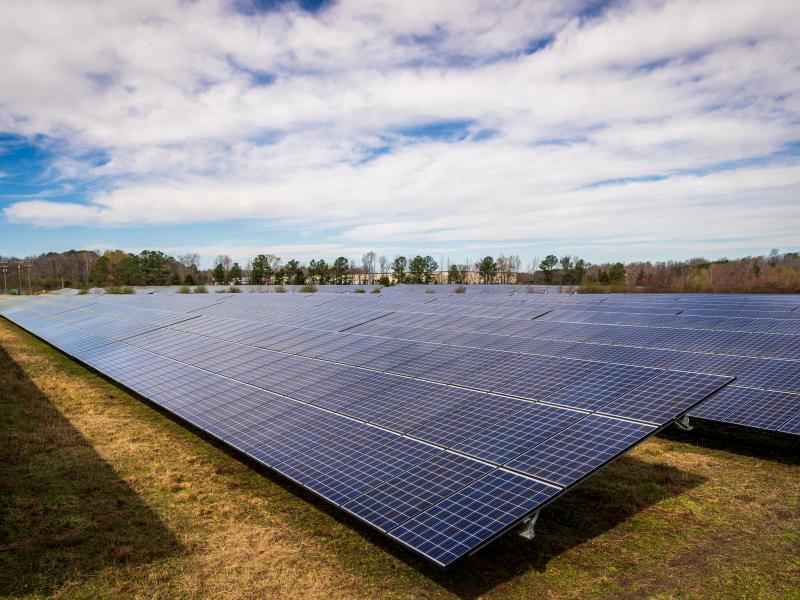
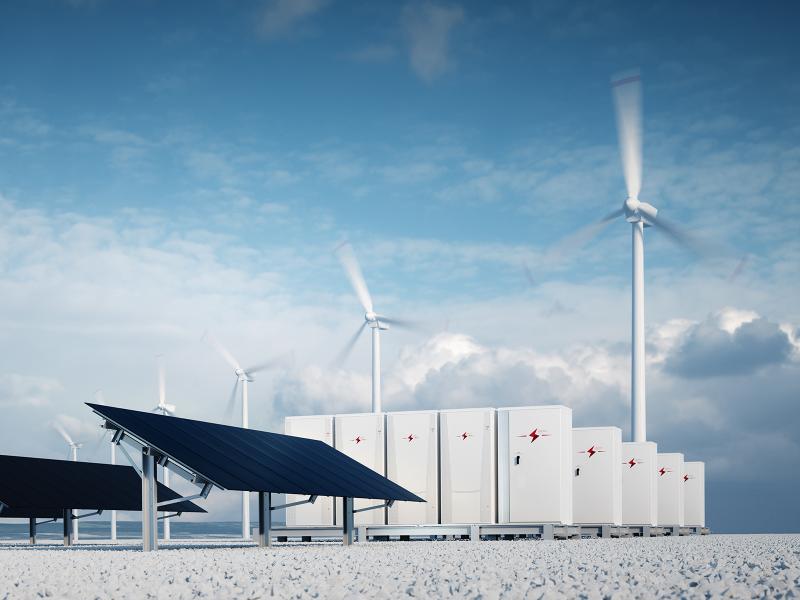
Understanding the risk of compound energy droughts—times when the sun doesn’t shine and the wind doesn’t blow—will help grid planners understand where energy storage is needed most.
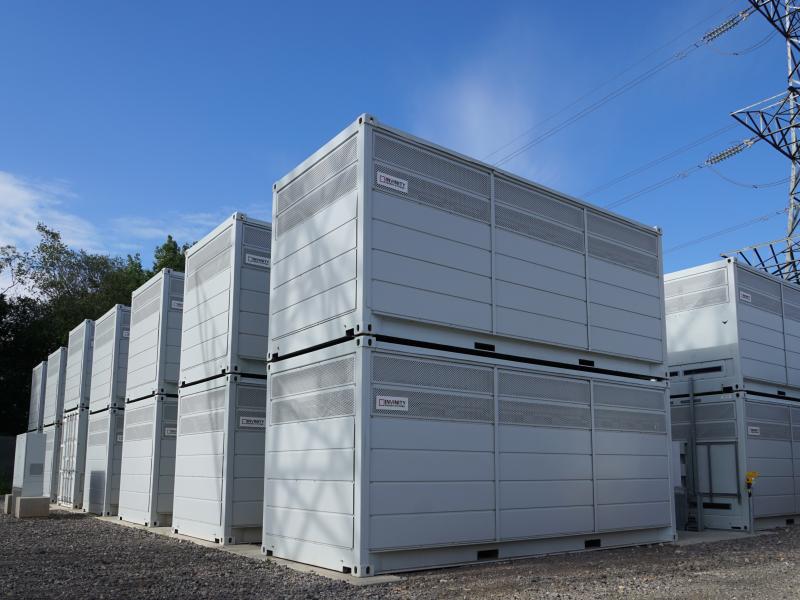
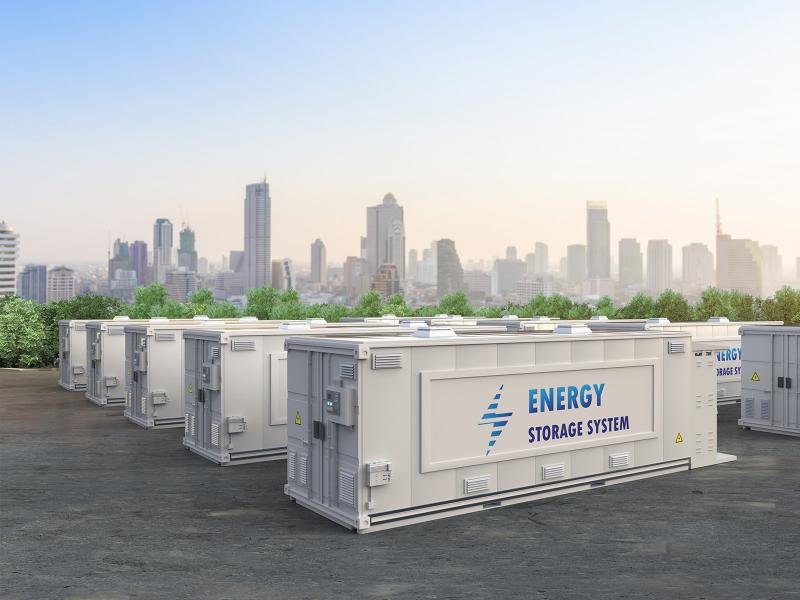
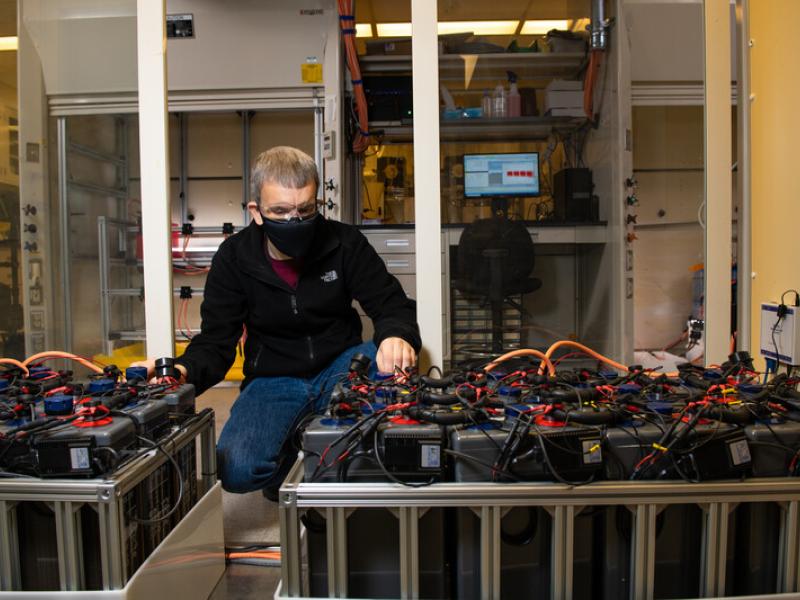
Battery energy storage systems are being proposed in municipalities across the U.S. PNNL researchers can help community planners guide safe siting and operations.
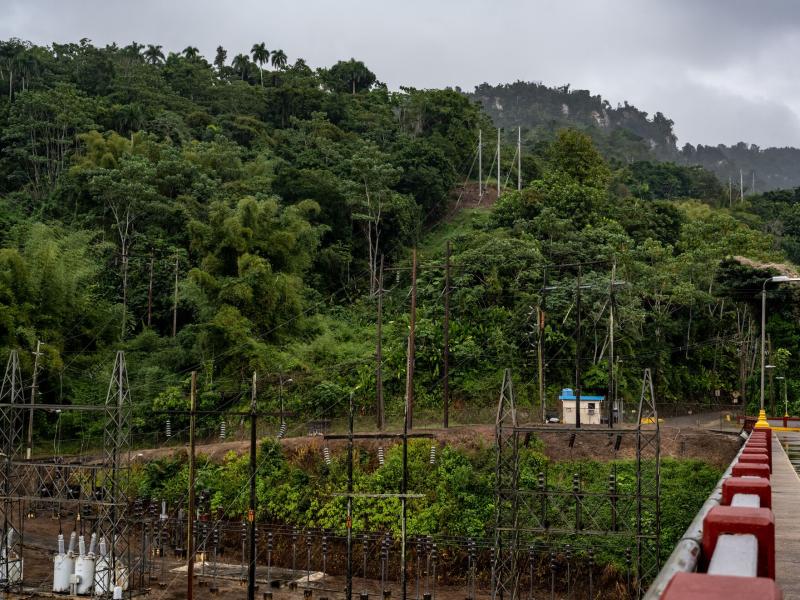
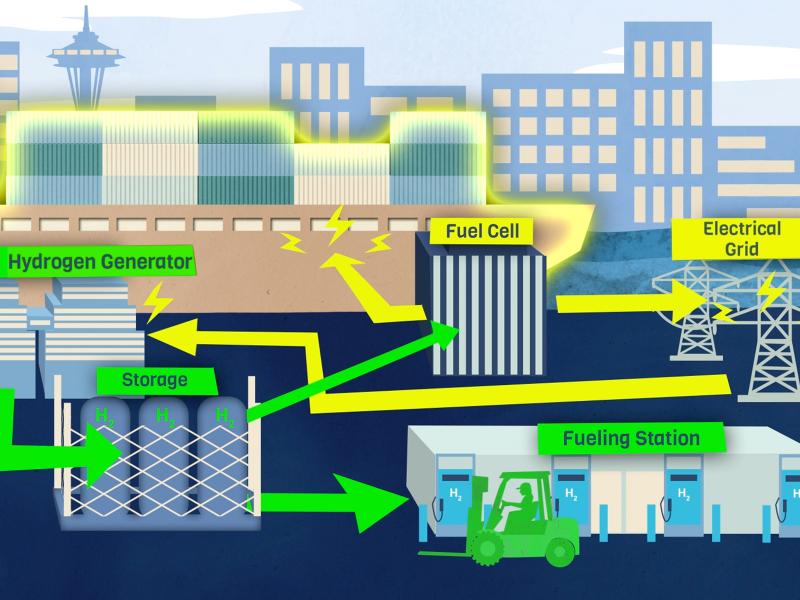
Clean hydrogen energy infrastructure is coming to the Pacific Northwest with a newly announced hydrogen hub, and PNNL experts are advising the work to come.
Madalina Man, an international compliance analyst, recently lent her legal expertise to an International Atomic Energy Agency International Physical Protection Advisory Service Mission in Zambia.
Chanel Chauvet-Maldonado, nonproliferation policy and law analyst, completed the Organization for Economic Co-operation and Development Nuclear Energy Agency International School of Nuclear Law program.
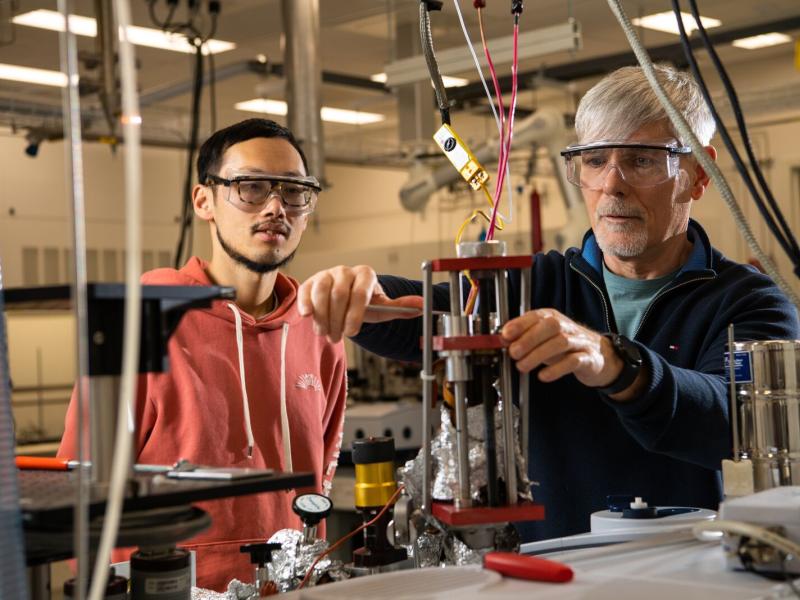
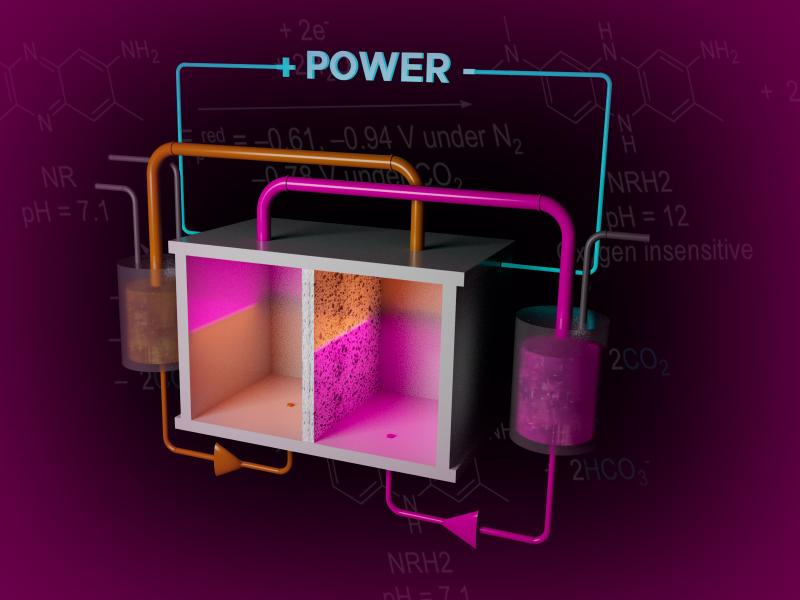
Rechargeable battery performance could be improved by a new understanding of how batteries work at the molecular level. Researchers at PNNL upend what's known about how rechargeable batteries function.
PNNL is honoring its postdoctoral researchers as part of the fourteenth annual National Postdoc Appreciation Week with seven profiles of postdocs from around the Laboratory.
PNNL Chief Diversity Officer and Director for STEM Education and PNNL Battery Materials and System group leader will receive Clean Energy Education and Empowerment (C3E) awards at the 2023 C3E Women in Clean Energy Symposium.
The Department of Energy’s Vehicle Technologies Office recently issued two awards to researchers at PNNL for their contributions to areas that are crucial for the expansion of electric vehicles.