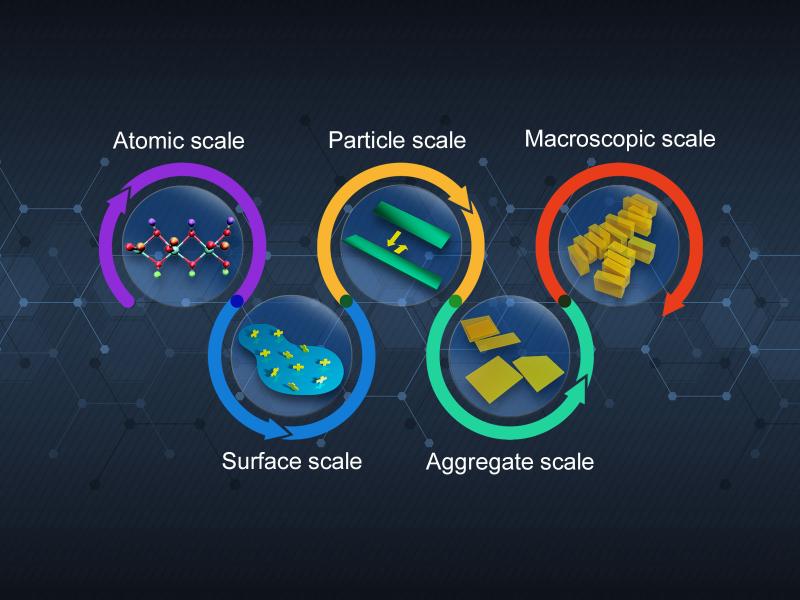
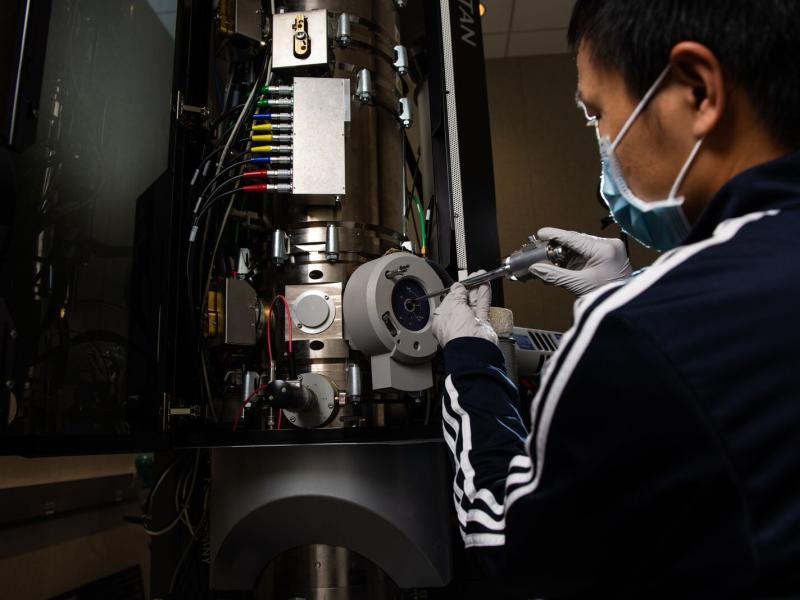
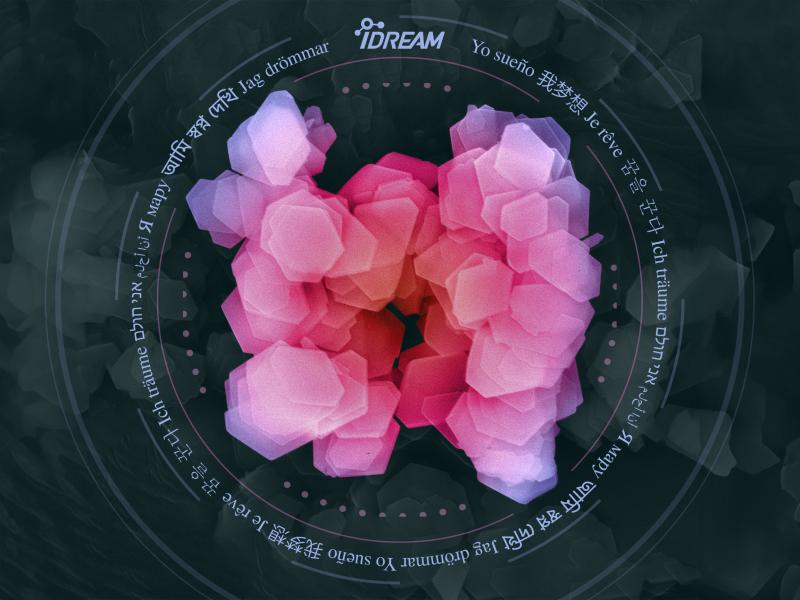
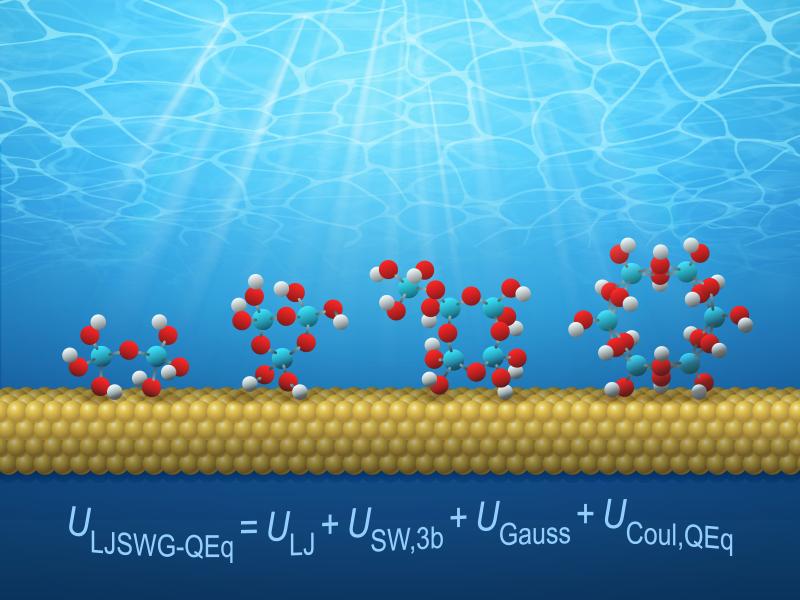
Resolving how nanoparticles come together is important for industry and environmental remediation. New work predicts nanoparticle aggregation behavior across a wide range of scales for the first time.
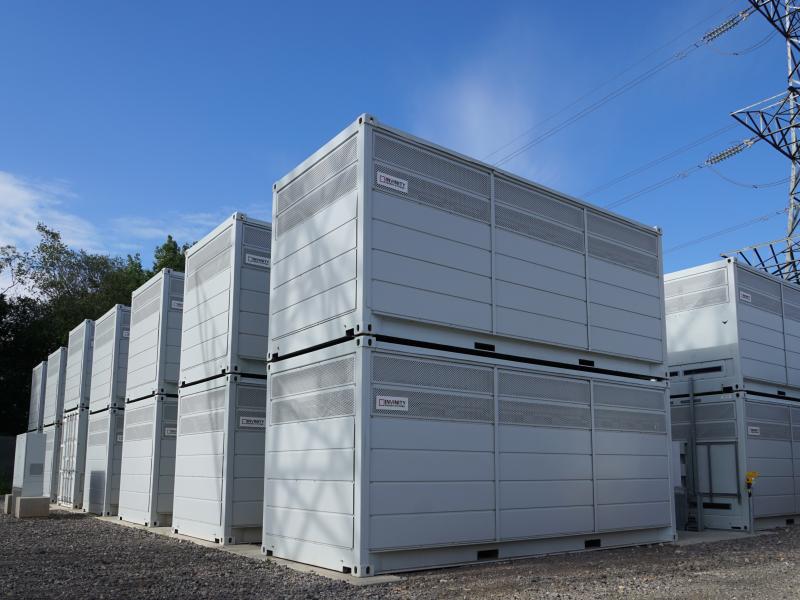
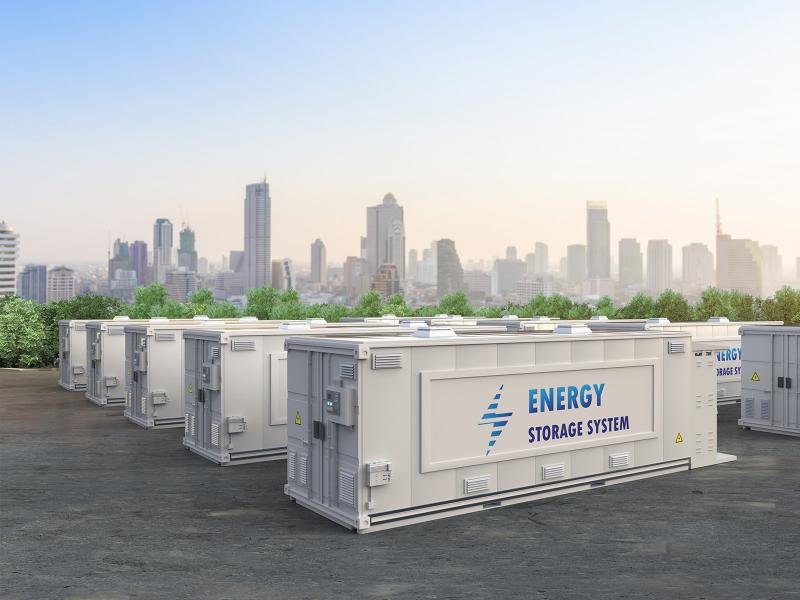
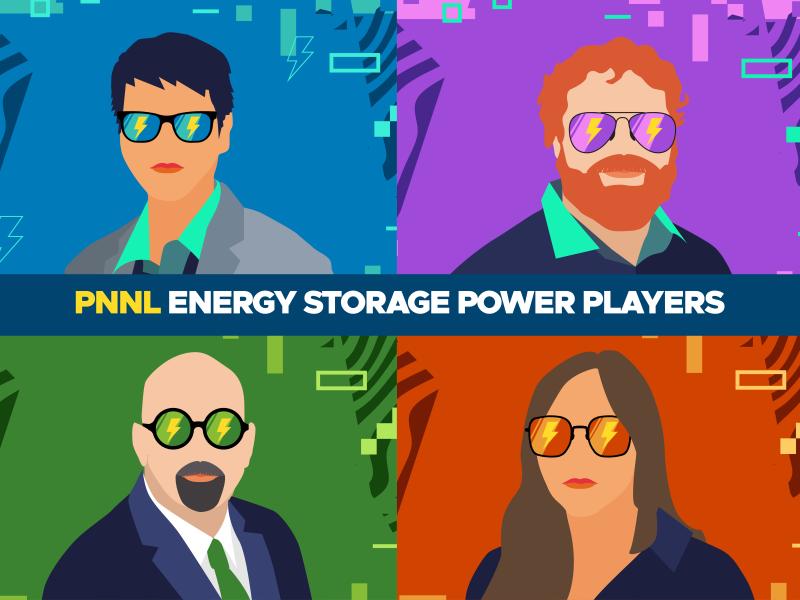
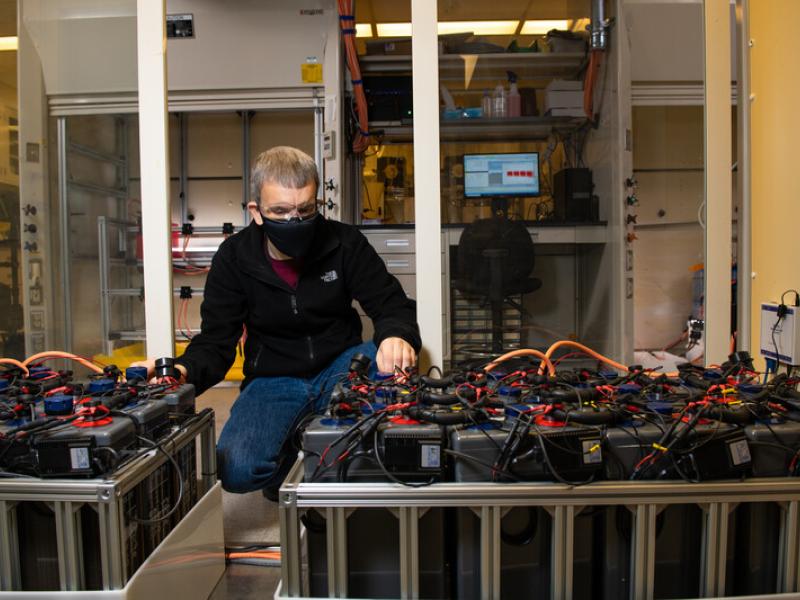
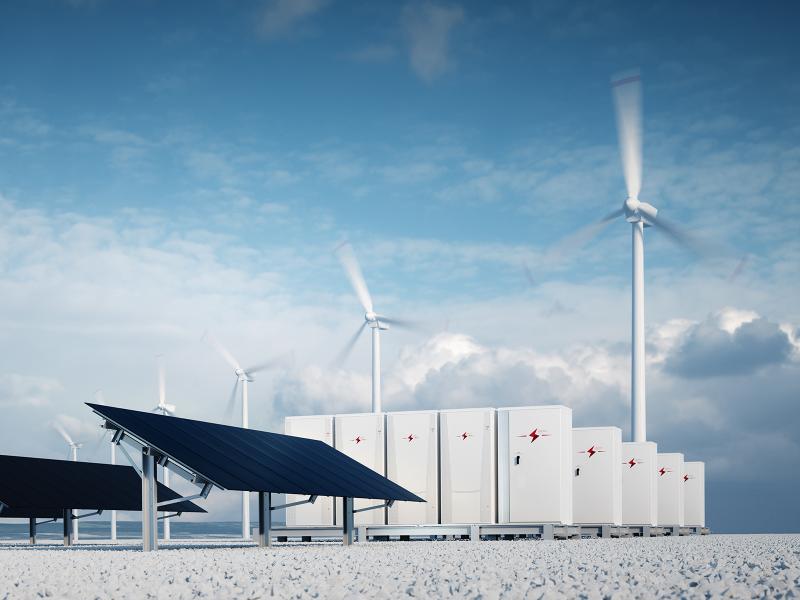
Battery energy storage systems are being proposed in municipalities across the U.S. PNNL researchers can help community planners guide safe siting and operations.
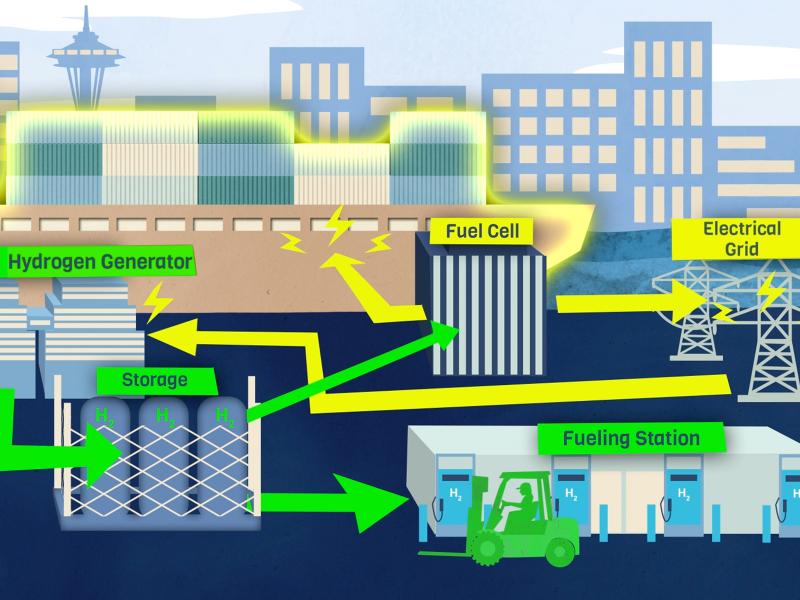
Clean hydrogen energy infrastructure is coming to the Pacific Northwest with a newly announced hydrogen hub, and PNNL experts are advising the work to come.
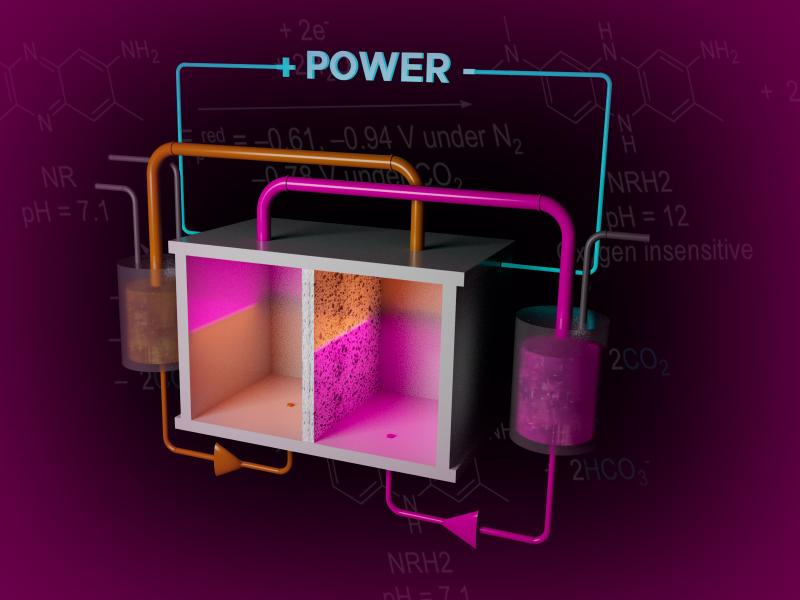
Rechargeable battery performance could be improved by a new understanding of how batteries work at the molecular level. Researchers at PNNL upend what's known about how rechargeable batteries function.
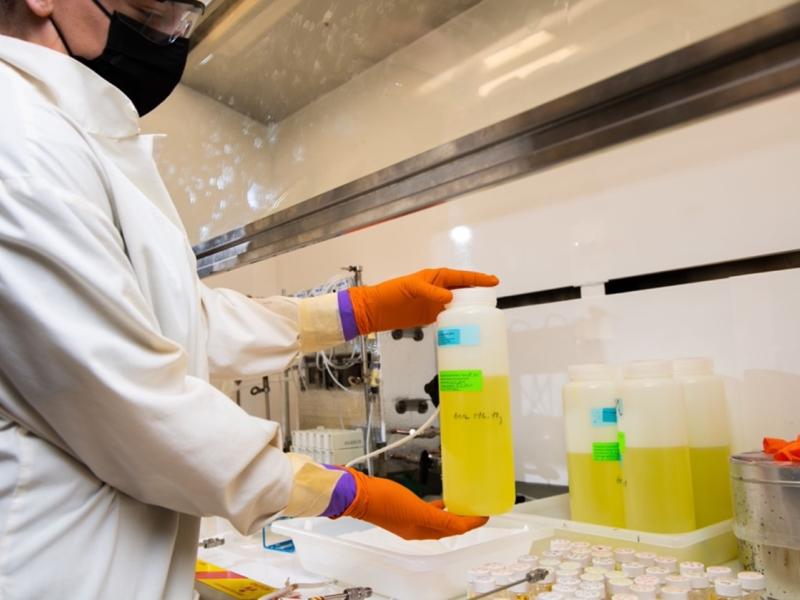
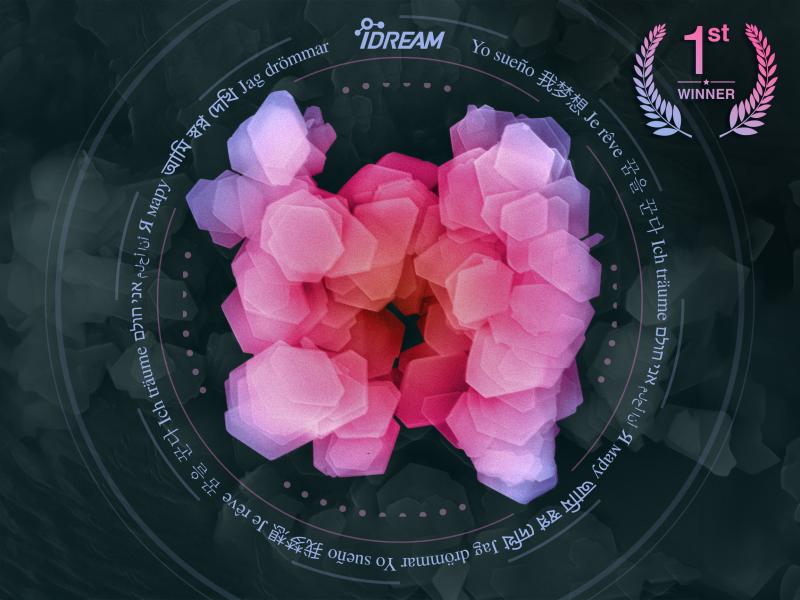
A poem inspired by radioactive tank waste—“Can a Scientist Dream it Alone?”—was awarded first place in the Department of Energy’s Poetry of Science Art Contest.
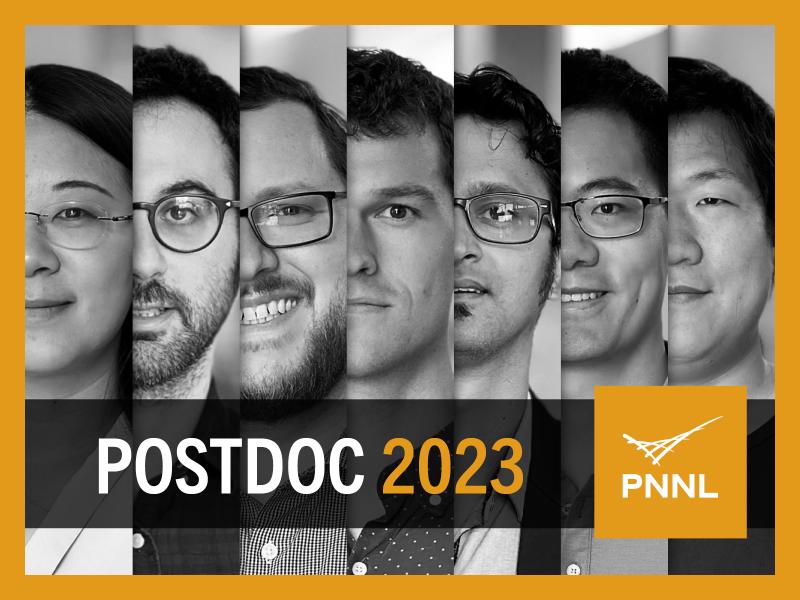
PNNL is honoring its postdoctoral researchers as part of the fourteenth annual National Postdoc Appreciation Week with seven profiles of postdocs from around the Laboratory.
PNNL Chief Diversity Officer and Director for STEM Education and PNNL Battery Materials and System group leader will receive Clean Energy Education and Empowerment (C3E) awards at the 2023 C3E Women in Clean Energy Symposium.
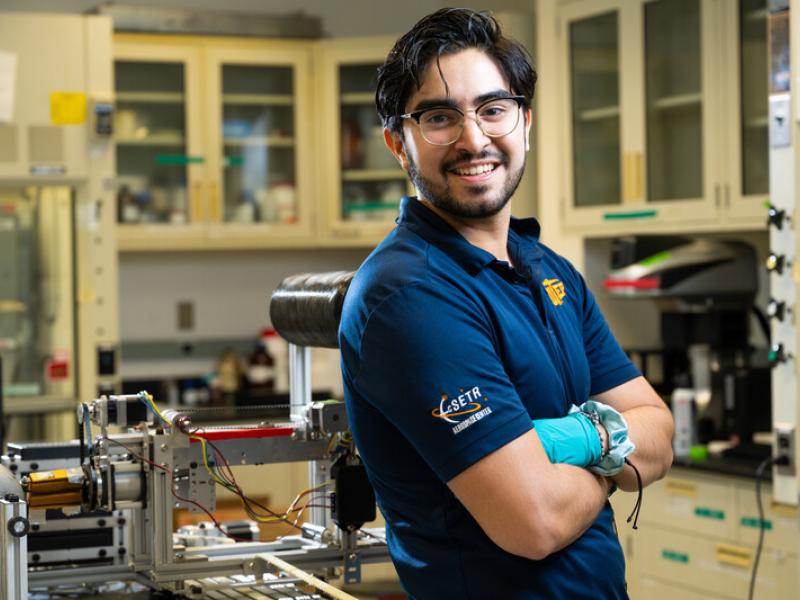
The Department of Energy’s Vehicle Technologies Office recently issued two awards to researchers at PNNL for their contributions to areas that are crucial for the expansion of electric vehicles.
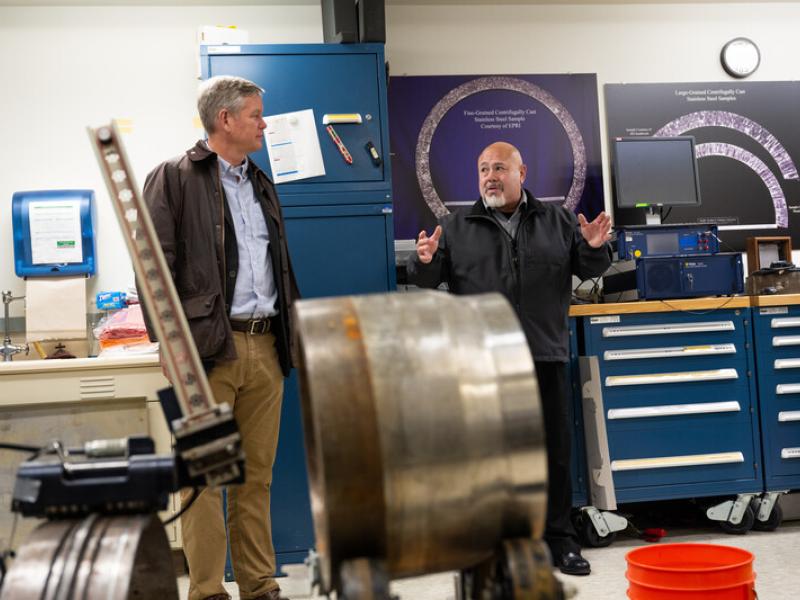
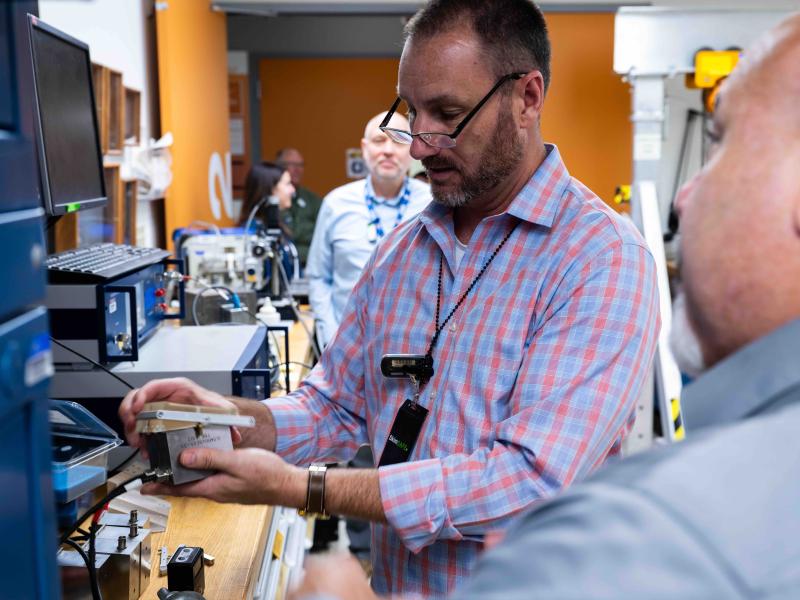
Bradley Crowell with the U.S. Nuclear Regulatory Commission sees advanced materials integrity, radiological measurement, and environmental capabilities on his first visit to PNNL.
IDREAM research shows that keeping only the most important two- and three-body terms in reactive force fields can decrease computational cost by one order of magnitude, while preserving satisfactory accuracy.