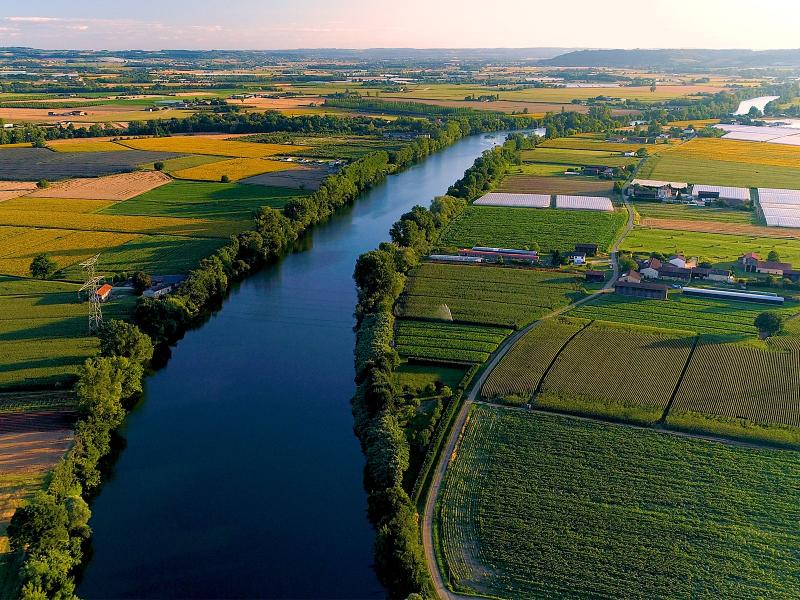
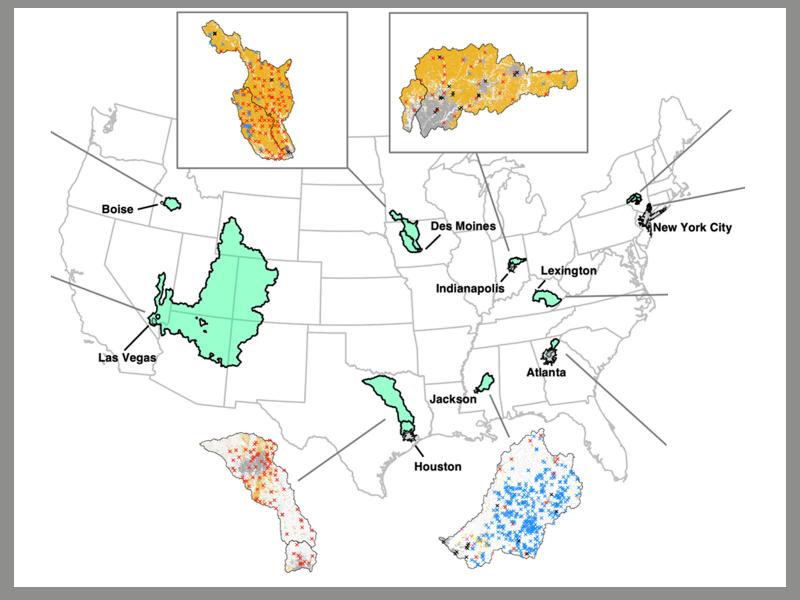
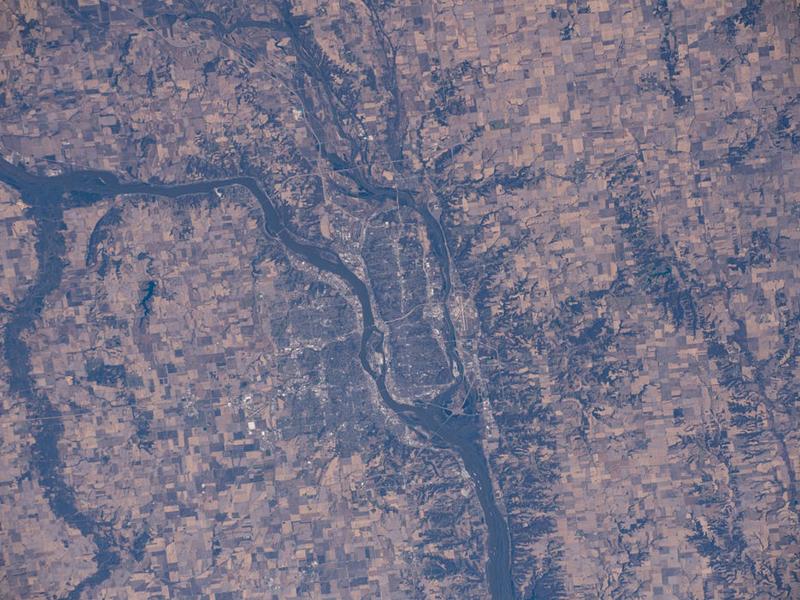
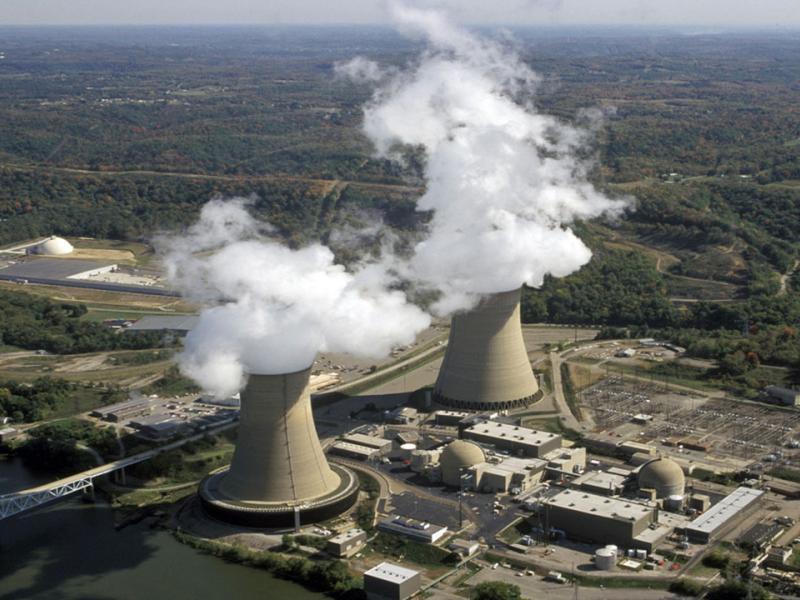
An analysis of land use in watersheds that supply drinking water to over a hundred United States cities identified a wide range of exposure to potential contamination.
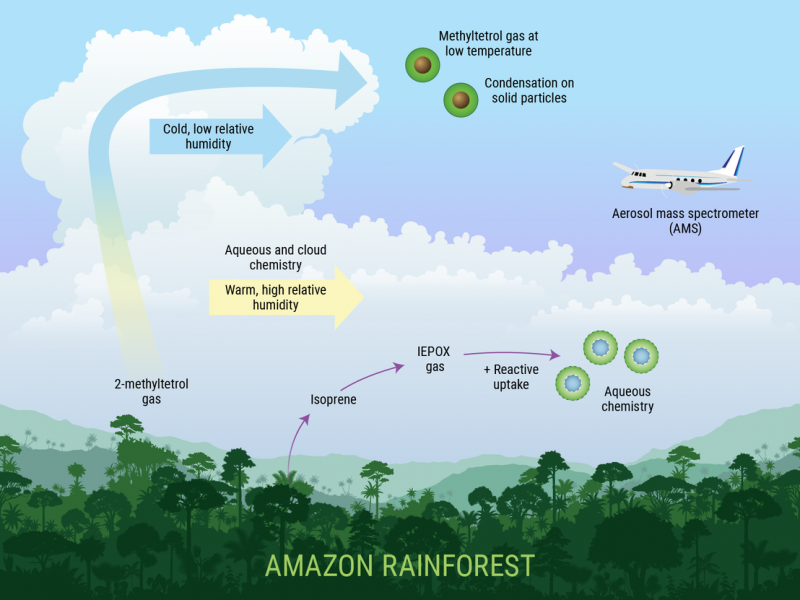
PNNL researchers have uncovered a plant-derived process that leads to the formation of aerosol particles over the Amazon rainforest and potentially other forested parts of the world.
To improve the study of human-Earth interactions, a 10-year vision report by the MultiSector Dynamics community of practice encourages the use of emerging human systems datasets, embedded intelligence in modeling, and workforce diversity.
Despite an increase in future electricity demands, virtual water trading in the U.S. electricity sector is expected to decline as renewable energy expands.
PNNL computer scientists joined international leaders in machine learning to present research to detect and address potential cybersecurity threats and devise epidemic interventions.
Sriram Krishnamoorthy, a computer scientist at PNNL, collaborated with a University of Utah team on a student computing research project that won Best Student Paper at SC20.
James A. Ang, a PNNL computing expert, was recently invited to moderate a panel in a virtual workshop focused on federally funded research and development on software for heterogeneous computing.