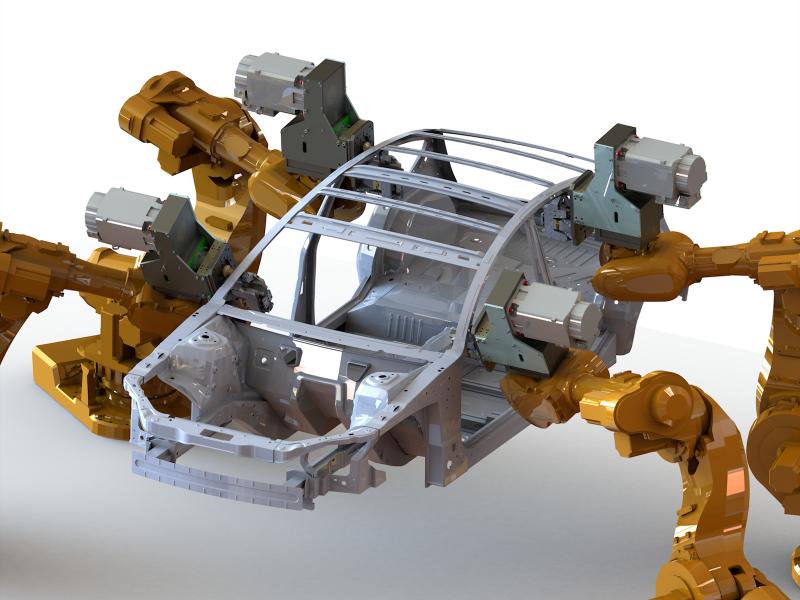
A breakthrough at PNNL could free friction stir from current constraints—and open the door for increased use of the advanced manufacturing technique on commercial assembly lines.
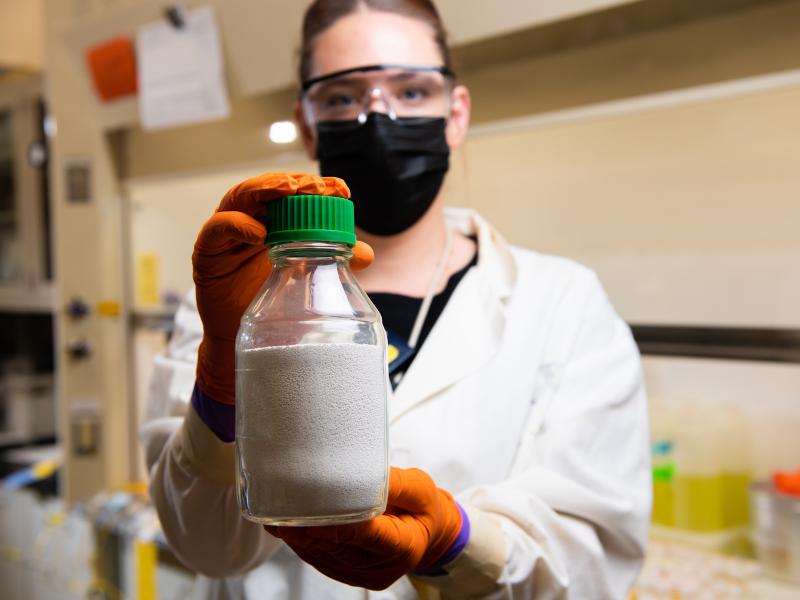
By combining computational modeling with experimental research, scientists identified a promising composition that reduces the need for a critical material in an alloy that can withstand extreme environments.
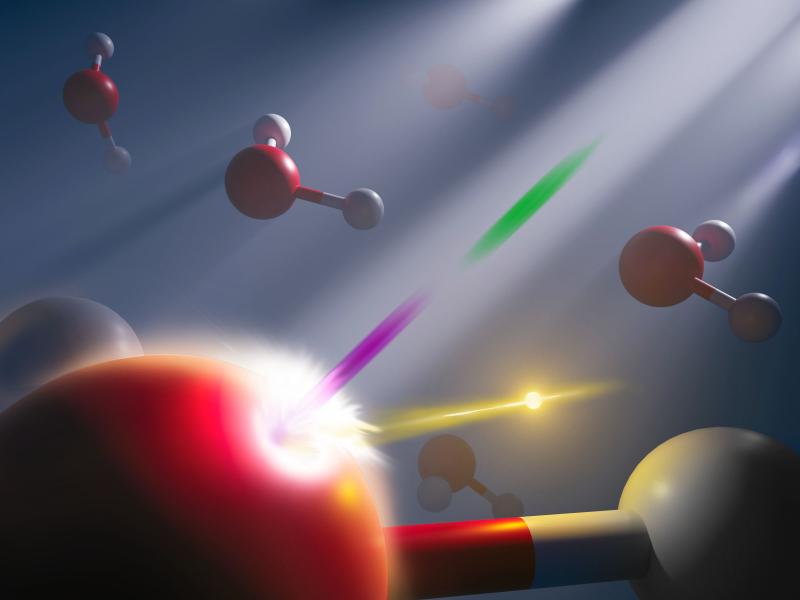
EZBattery Model allows energy storage researchers to more quickly and easily identify the best performing battery designs without the need for extensive physical prototyping or computationally expensive simulations.
PNNL researchers have developed a new, physics-informed machine learning model that accurately predicts how heat accumulates and dissipates during friction stir processing.
The Health Physics Society has selected Jonathan Napier, a PNNL environmental health physicist, to serve as a delegate to the International Radiation Protection Association’s General Assembly.
Bradley Crowell with the U.S. Nuclear Regulatory Commission sees advanced materials integrity, radiological measurement, and environmental capabilities on his first visit to PNNL.
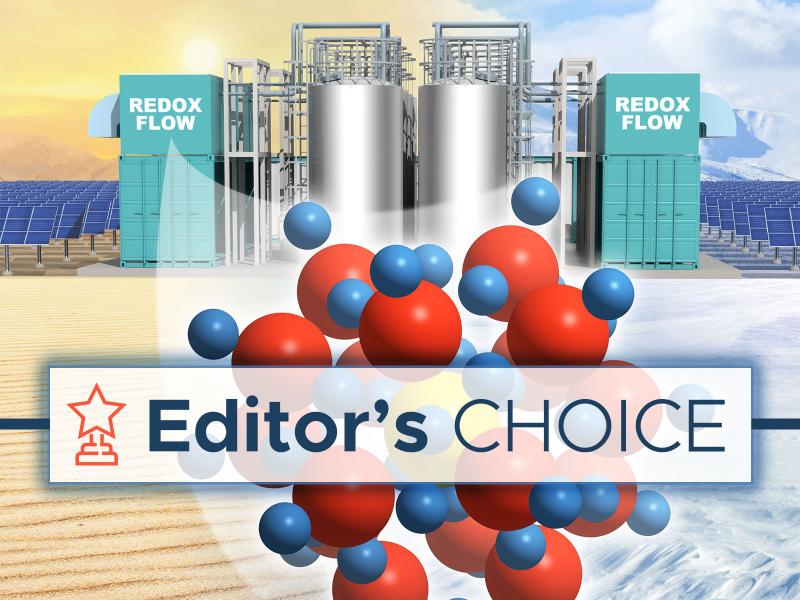
A paper published last year by scientists at Pacific Northwest National Laboratory was featured in the 2021 Editor’s Choice collection for the Cell Reports Physical Science journal.
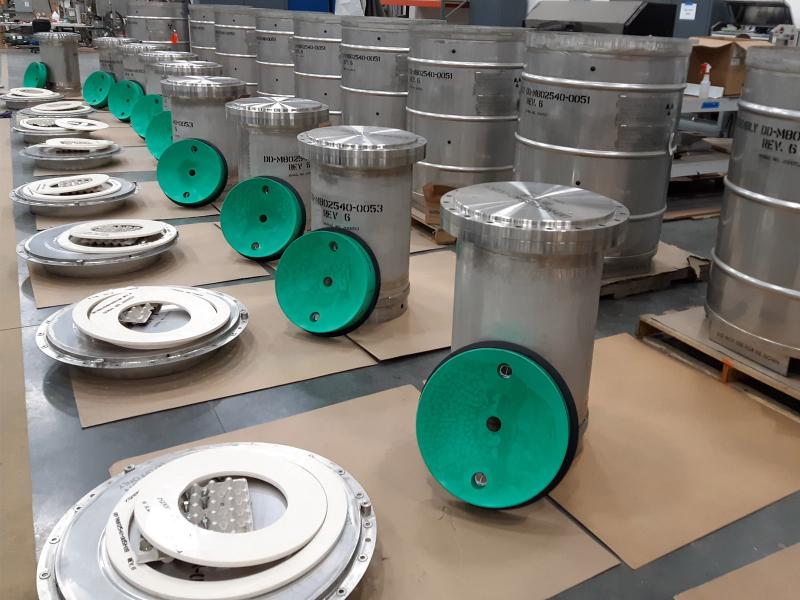
A PNNL team is leading the design, fabrication, and regulatory testing, and delivery of new packaging units that will be used to ship radioactive materials safely and securely.
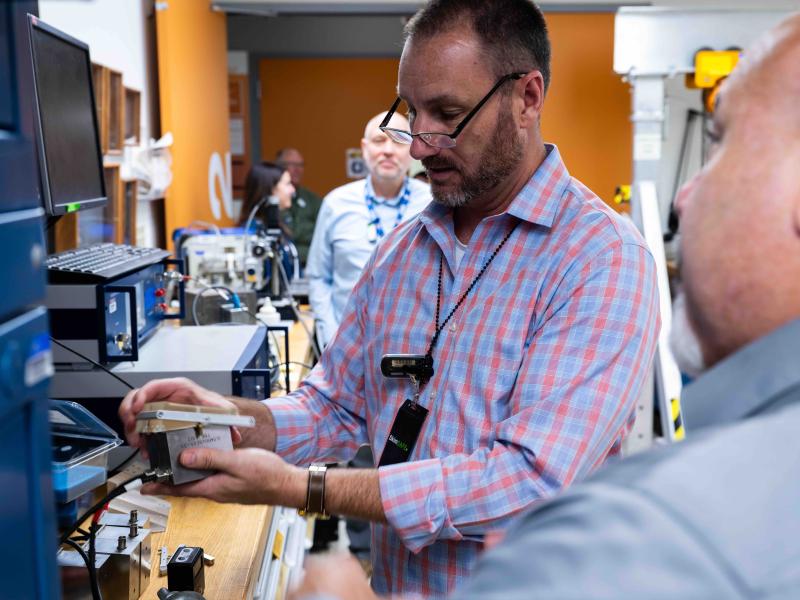
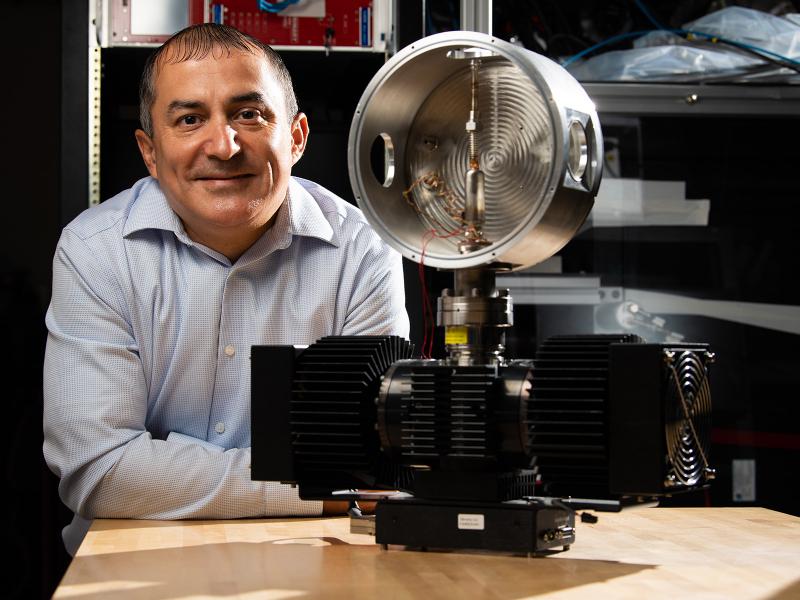
Rey Suarez is a nuclear nonproliferation researcher who is working on equipment that can detect radionuclides emitted from a nuclear explosion as part of treaty monitoring.