The Hanford Site is now immobilizing radioactive waste in glass: a process known as vitrification. PNNL contributed 60 years of materials science expertise—and is providing operational support—to help the nation meet this cleanup milestone.
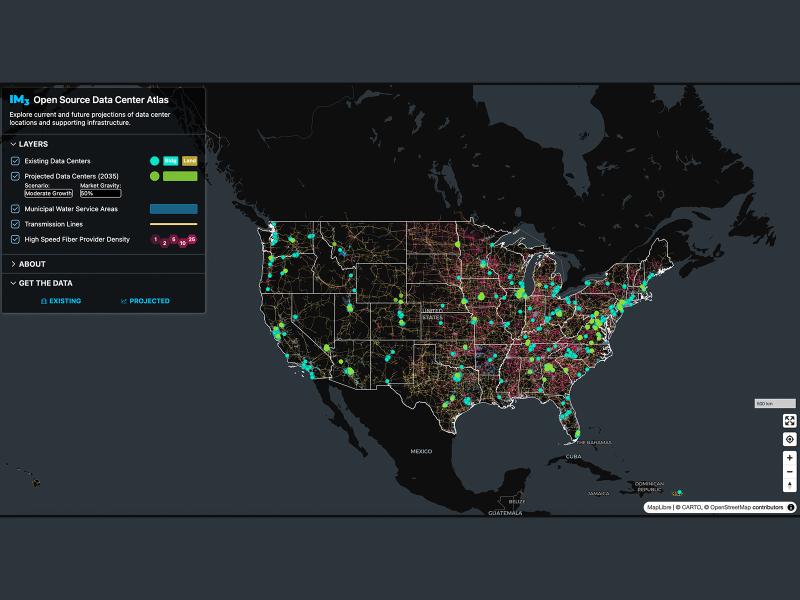
Now, anyone can easily explore and access data from a nationwide map of data centers, the infrastructure that powers them, and projections of future data center locations.
PNNL researchers continue to deliver high-quality, high-impact research on radioactive waste and nuclear materials management, earning “Papers of Note” and “Superior Paper” awards.
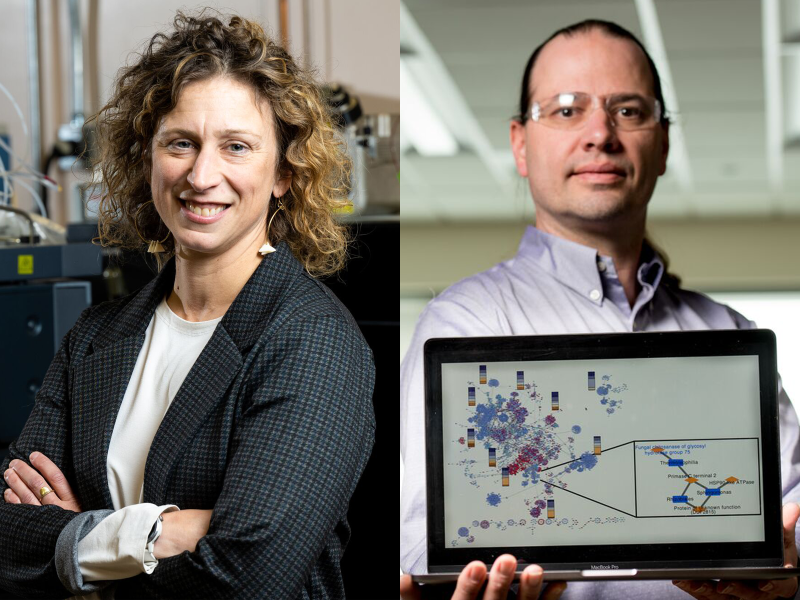
Armed with some of the world’s most advanced instrumentation, researchers at PNNL are working to analyze huge amounts of data and uncover hidden biological connections.
This project sought to assure that research activities centered around different sampling and monitoring efforts in northwest Ohio would not disturb any historical cultural resources.
New datasets delineating global urban land support scientific research, application, and policy, but they can produce different results when applied to the same problem making it difficult for researchers to decide which to use.
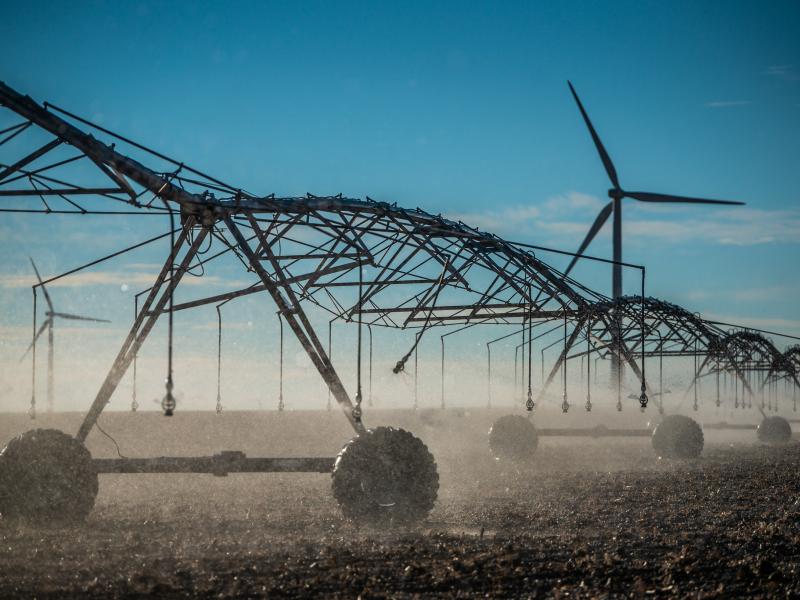
The demand for energy is growing—and so is the technology supporting it. However, future development of power generation technologies could be affected by a key factor: material supply.
PNNL researchers earned five Papers of Note, 17 Superior Papers, and one poster award for their environmental remediation, radioactive waste, and nuclear energy-related presentations.
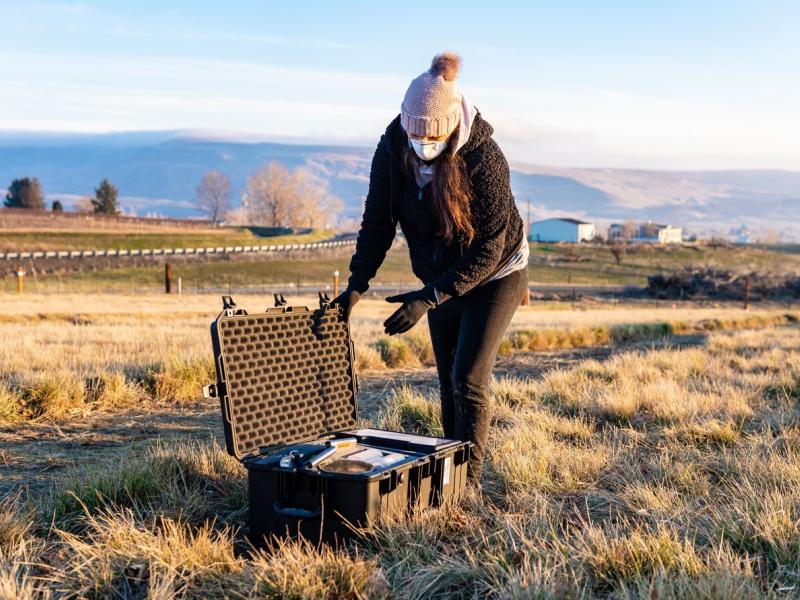
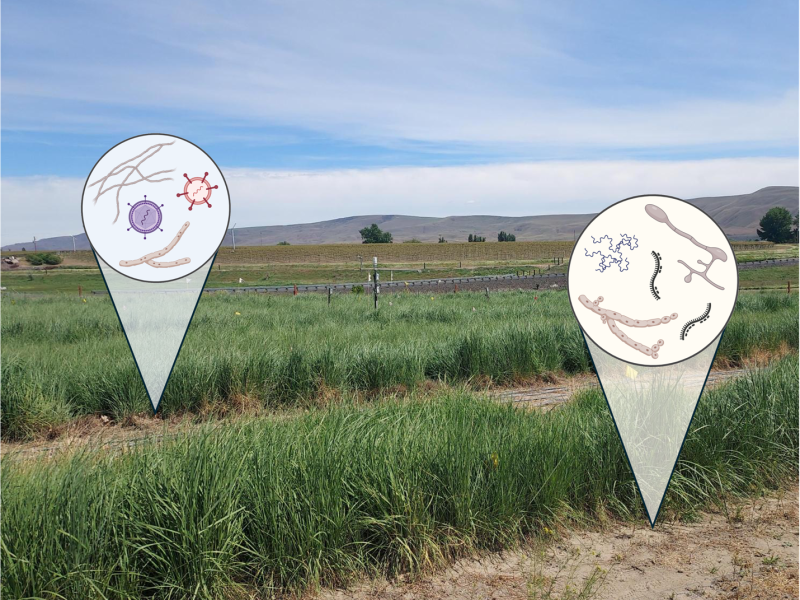
Despite the widespread presence of RNA viruses in soils, little is known about the relative contributions and interactions of biological and environmental factors shaping the composition of soil RNA viral communities.