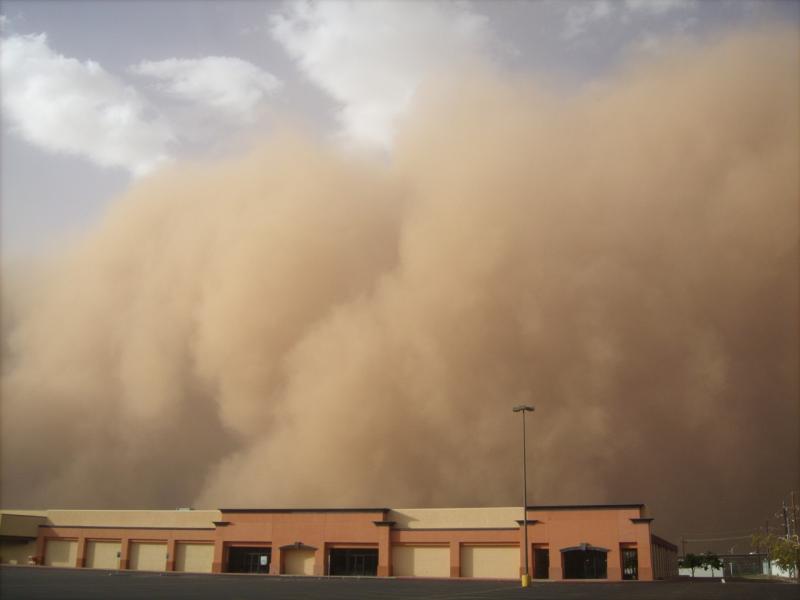
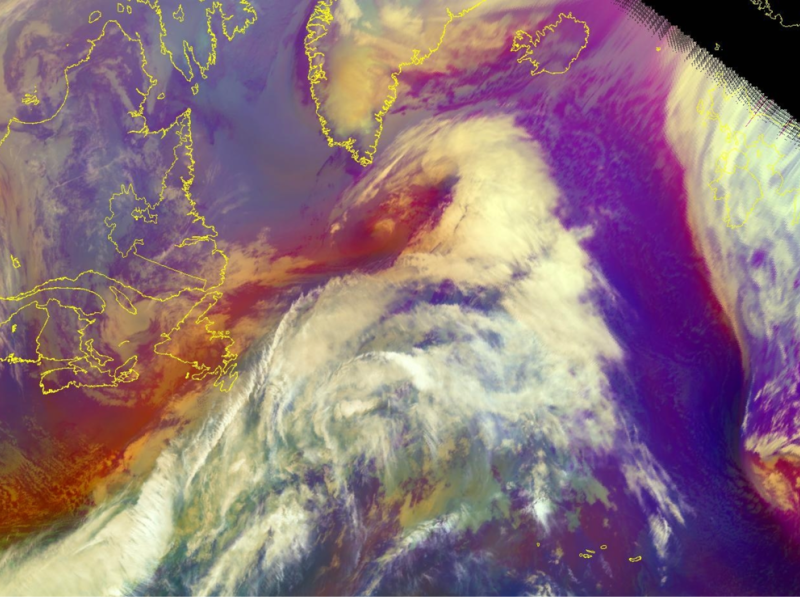
Study demonstrates that choosing more accurate numerical process coupling helps improve simulation of dust aerosol life cycle in a global climate model.
Researchers at PNNL devised a new workflow for integrating life cycle analysis into building design, aided by a computational method that adapts existing software to net-zero energy, carbon-negative homes.
GUV can reduce transmission of airborne disease while reducing energy use and carbon emissions. But fulfilling that promise depends on having accurate and verifiable performance data.
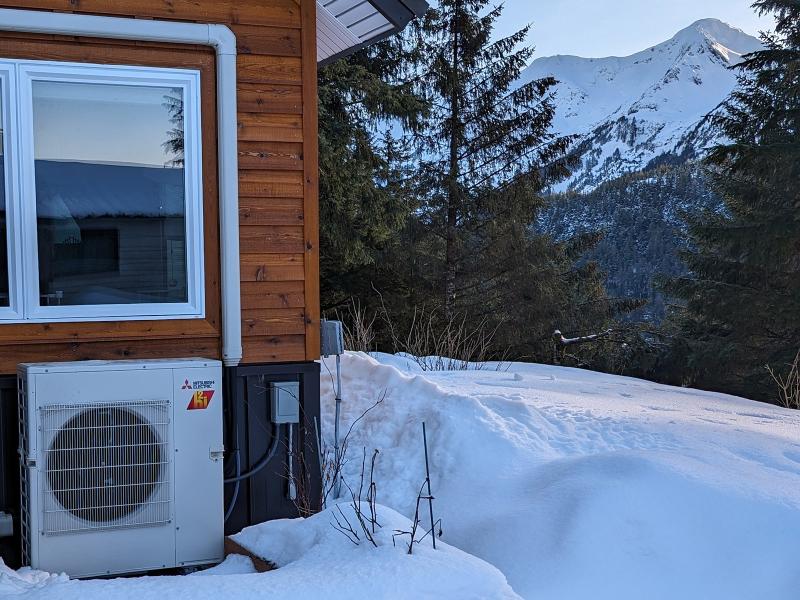
Researchers from PNNL have been assessing installation and use of electric heat pumps in an Alaskan community that relies on fuel oil for heat. The resulting information could advance electrification in cold rural areas across the nation.
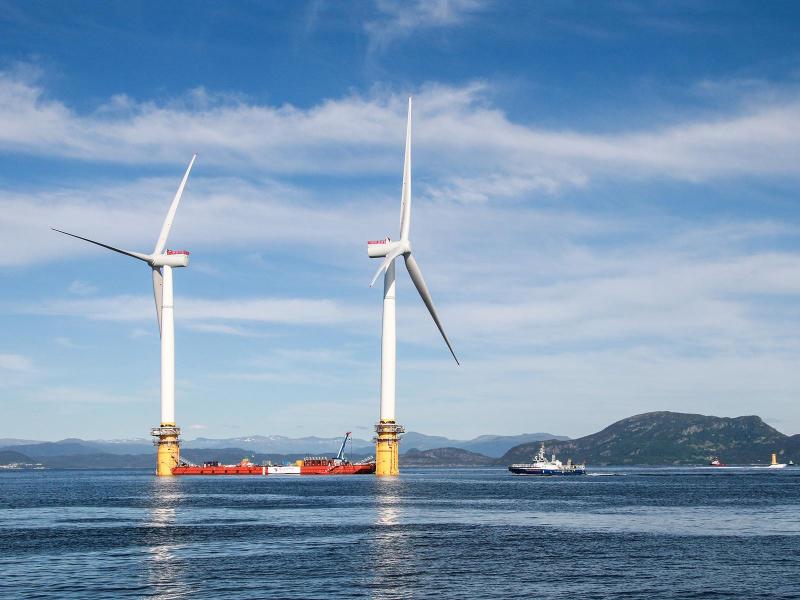
Researchers seek to bring down costs, address potential environmental risks and maximize the benefits of harnessing wind energy above the deep waters of the Pacific.
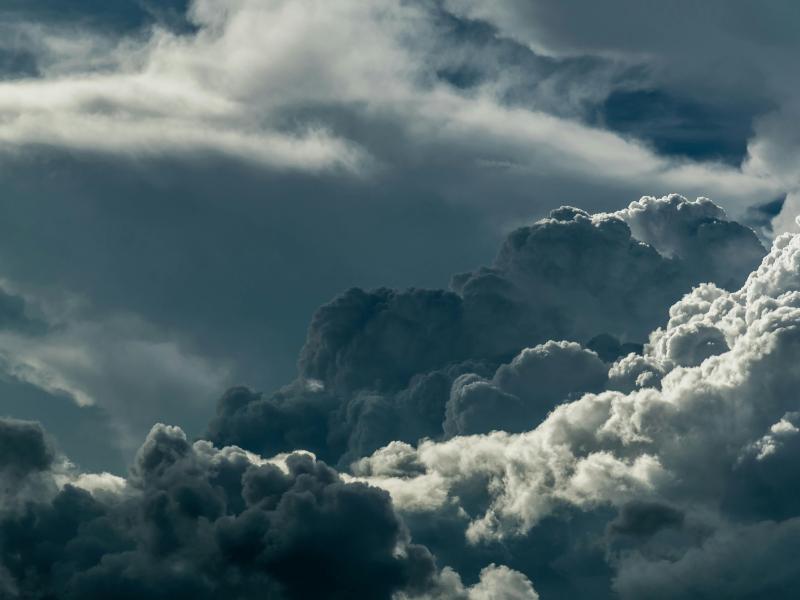
Researchers show that small-scale turbulent fluctuations lead to larger concentrations of cloud droplets than would be possible in conventional models of atmospheric clouds
Researchers seeking to enhance a climate model’s predictive capability identify parameters that cause the largest sensitivities for several important cloud-related fidelity metrics.
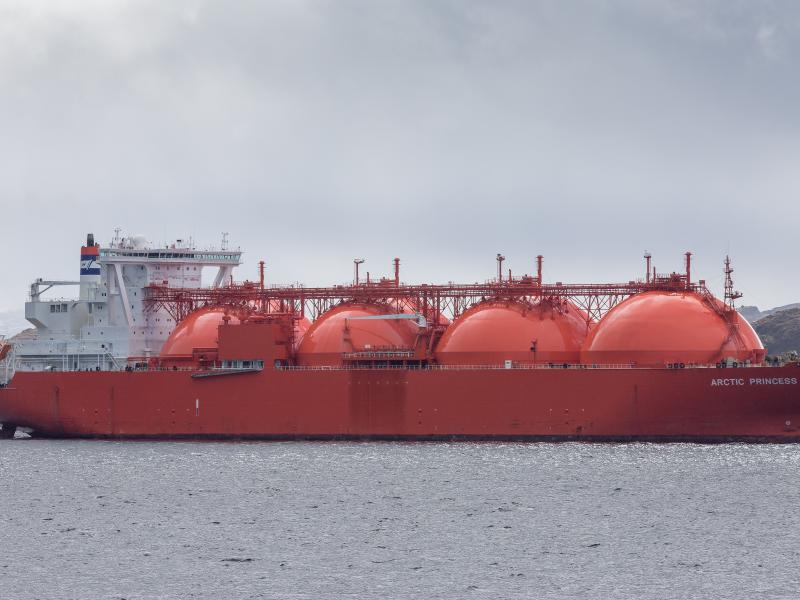
Researchers developed a natural gas trade infrastructure capability within a computer planning model that includes representations of energy, agriculture and land use, economy, water, and climate systems in 32 regions of the world.
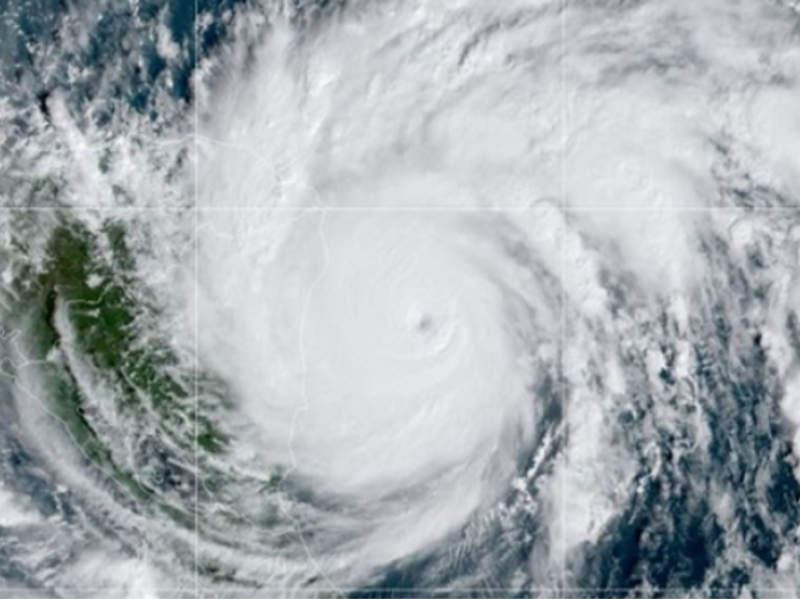
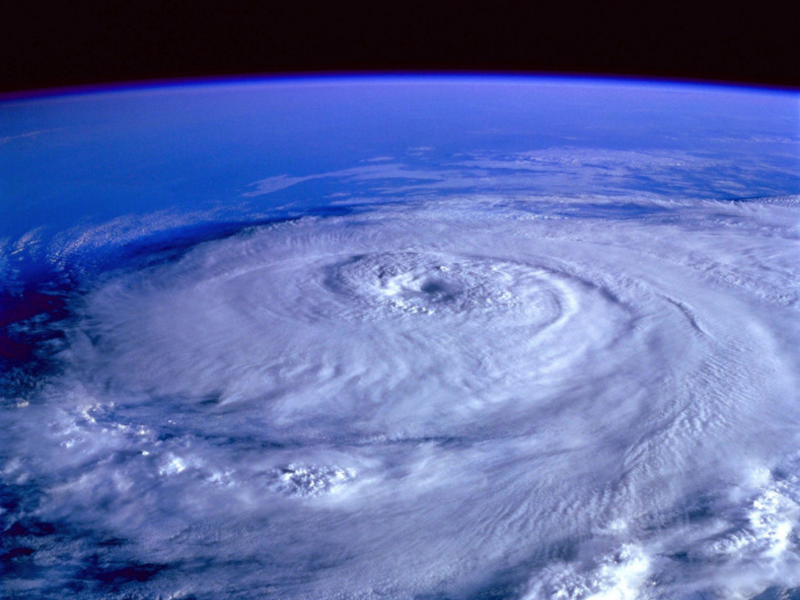
Researchers developed a groundbreaking database that includes 40,000 synthetic tropical cyclones, crafted using the Risk Analysis Framework for Tropical Cyclones and pioneering the application of advanced artificial intelligence.
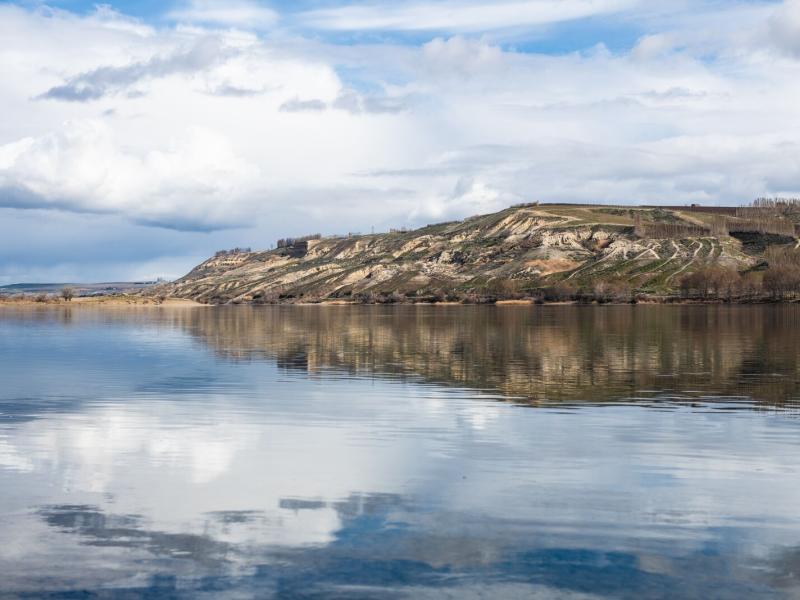
Streamflow variability plays a crucial role in shaping the dynamics and sustainability of Earth's ecosystems, which can be simulated and projected by ESMs. However, the simulation of streamflow is subject to considerable uncertainties.
PNNL scientists have been studying how rivers and streams breathe. Their research focuses on respiration, organic matter, and natural disturbances that affect rivers and streams.
A new study uses direct numerical simulations to develop a near-surface turbulence model for thermal convection using interpretable and physics-aware neural networks, broadening the applications of numerical simulations.