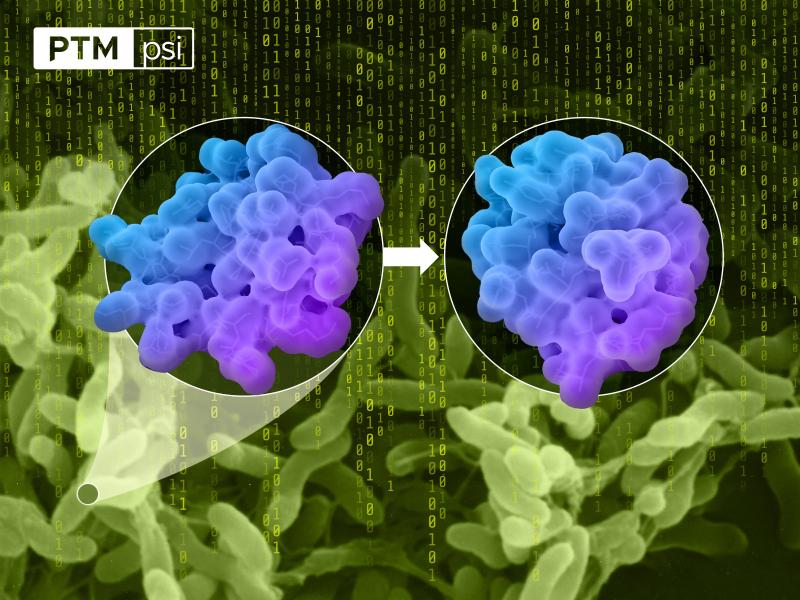
Spatial proteomics enables researchers to link protein measurements to features in the image of a tissue sample, which are lost using standard approaches.
Mandy Mahoney, director of the DOE Building Technologies Office, visited PNNL in late November. One key agenda item involved meeting with staff for a discussion of effective equity and justice integration in buildings-related research.
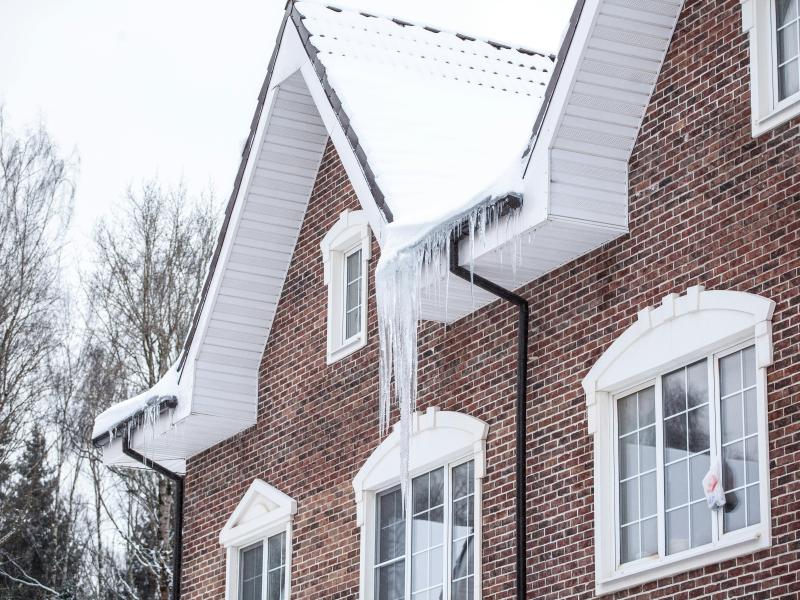
From air-sealing windows and checking for leaky ducts to insulating the attic, PNNL researchers offer tips on how to keep a home warm in winter weather.
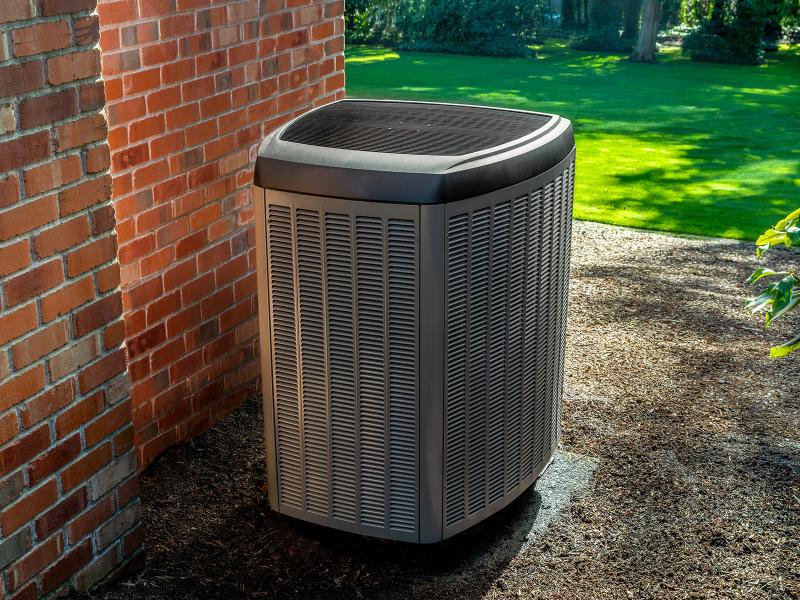
A larger HVAC workforce with training on modern heat pump technology will be pivotal to achieving the mass-scale electrification of household HVAC systems needed to meet building decarbonization goals.
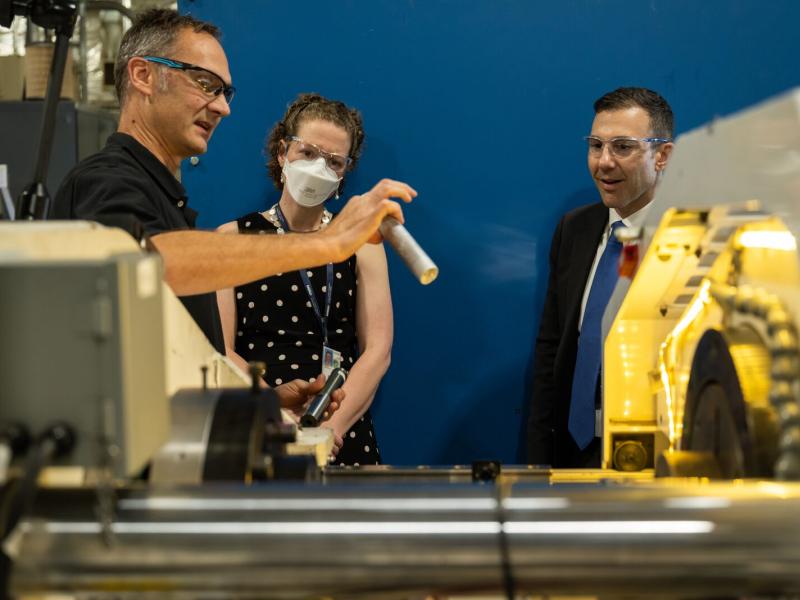
Leaders from the DOE Office of Energy Efficiency and Renewable Energy visited PNNL October 19–20 for a firsthand look at capabilities and research progress.
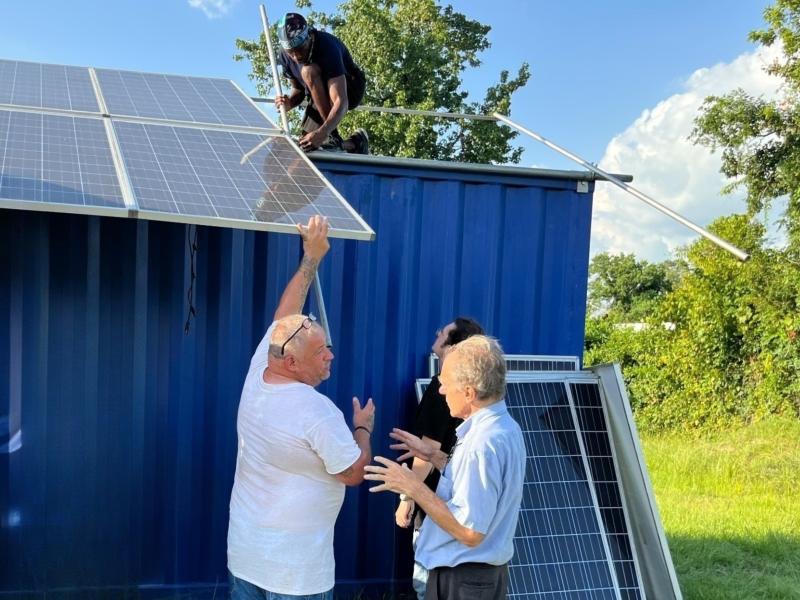
Pacific Northwest National Laboratory and Launch Point CDC, Inc. are developing a framework to empower disadvantaged communities with clean energy technology—along with a set of resources to give other community organizations a head start.
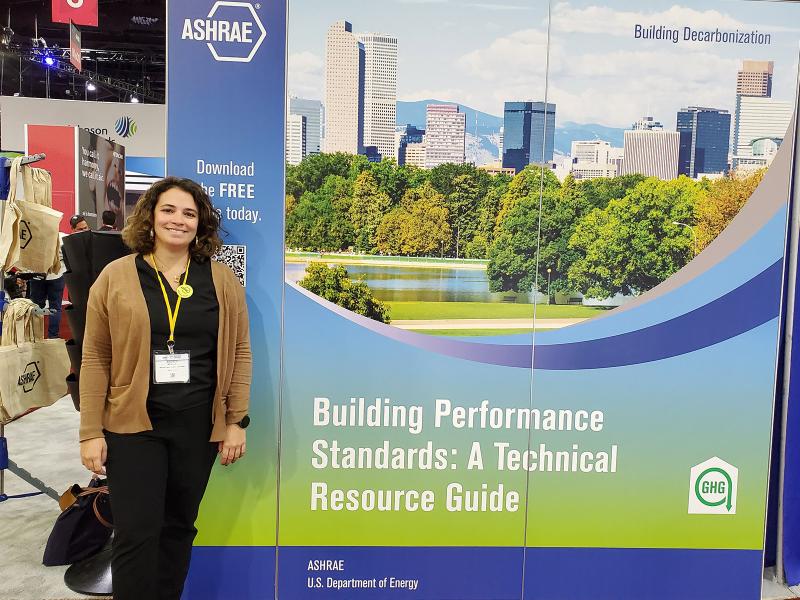
PNNL’s Andrea Mengual co-chaired a working group that produced Building Performance Standards: A Technical Resource Guide. PNNL’s Kim Cheslak, Bing Liu, and Jian Zhang contributed to the effort.
PNNL is at the midpoint of a study focused on the installation of electric heat pump water heaters in New Orleans homes. The efficient water heaters offer a unique capability that could help speed the transition from fossil fuels.
High fidelity simulations enabled by high-performance computing will allow for unprecedented predictive power of molecular level processes that are not amenable to experimental measurement.
PNNL data scientist in the Biological Sciences Division won the 2023 JSM Data Challenge Expo. The award-winning analysis focused on the ability to identify crime patterns by correlating them with historical events and trends.