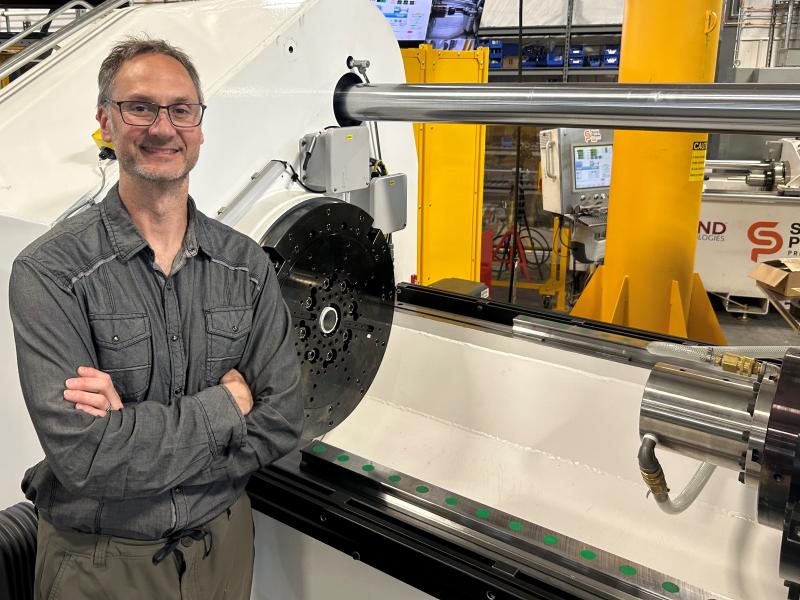
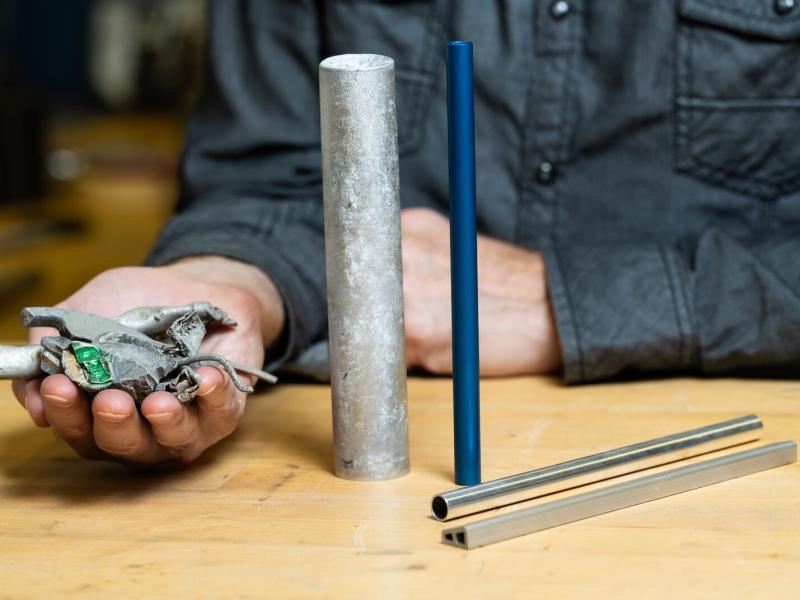
PNNL’s patented Shear Assisted Processing and Extrusion (ShAPE™) technique is an advanced manufacturing technology that enables better-performing materials and components while offering opportunities to reduce costs and energy consumption.
Andrew White goes back to his alma mater, Georgia Tech, as young alumni keynote speaker for the Sustainability Showcase, part of the university’s larger Sustainable Development Goals Action & Awareness Week.
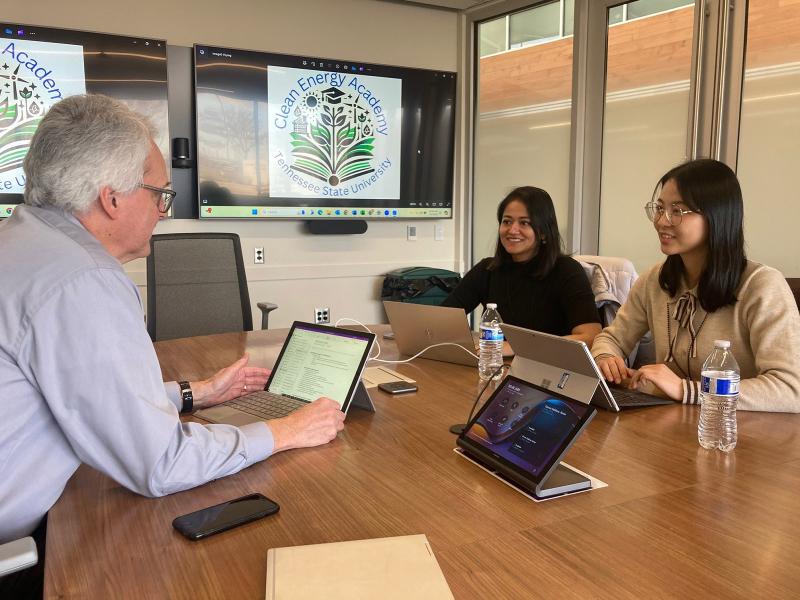
Tennessee State University received Department of Energy funding to establish an academy focused on preparing students and professionals to work in an emerging field: clean energy systems. PNNL is helping with that effort and others.
Researchers at PNNL devised a new workflow for integrating life cycle analysis into building design, aided by a computational method that adapts existing software to net-zero energy, carbon-negative homes.
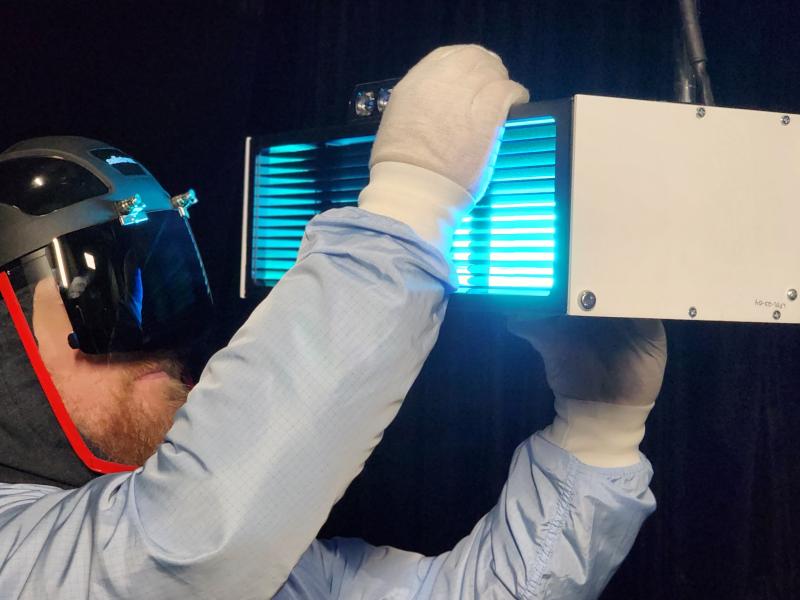
GUV can reduce transmission of airborne disease while reducing energy use and carbon emissions. But fulfilling that promise depends on having accurate and verifiable performance data.
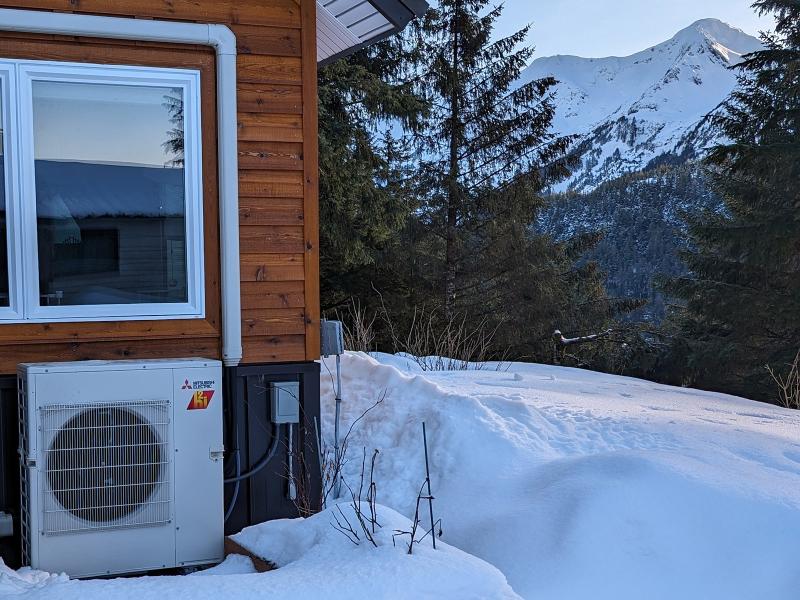
Researchers from PNNL have been assessing installation and use of electric heat pumps in an Alaskan community that relies on fuel oil for heat. The resulting information could advance electrification in cold rural areas across the nation.
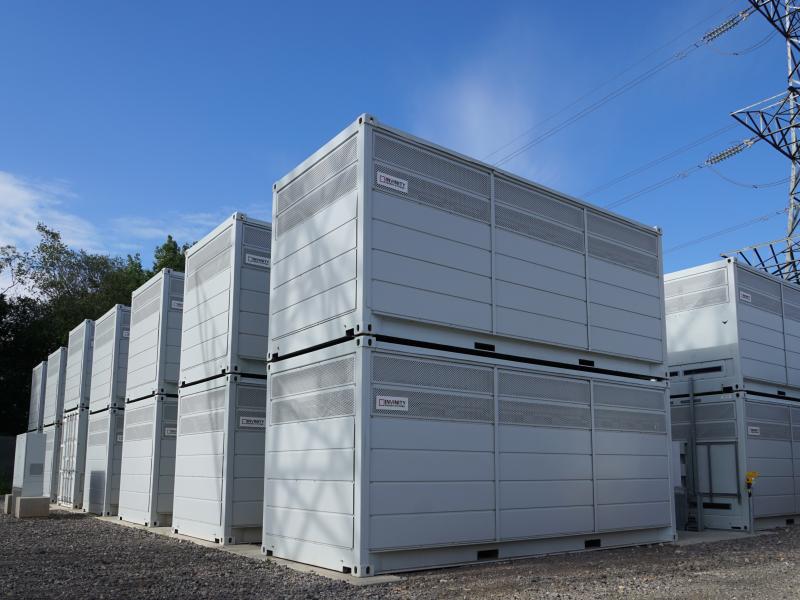
In 2006, battery research was practically non-existent at PNNL. Today, the lab is lauded for its battery research. How did PNNL go from a new player to a leader in state-of-the-art storage for EVs and the grid?
PNNL helps deliver efficiency-related rules and requirements that steadily improve performance of America’s buildings, saving energy and costs and reducing carbon emissions.
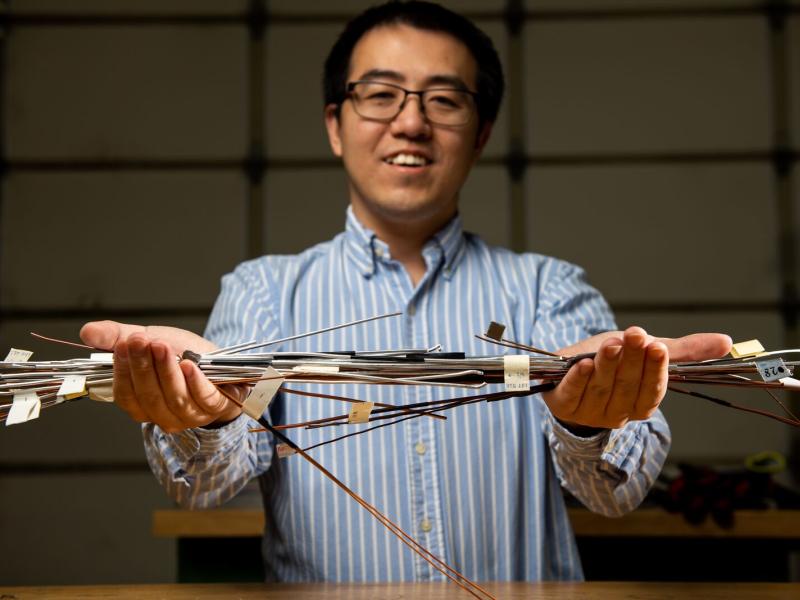
A newly developed, highly conductive copper wire could find applications in the electric grid, as well as in homes and businesses. The finding defies what's been thought about how metals conduct electricity.
Mandy Mahoney, director of the DOE Building Technologies Office, visited PNNL in late November. One key agenda item involved meeting with staff for a discussion of effective equity and justice integration in buildings-related research.
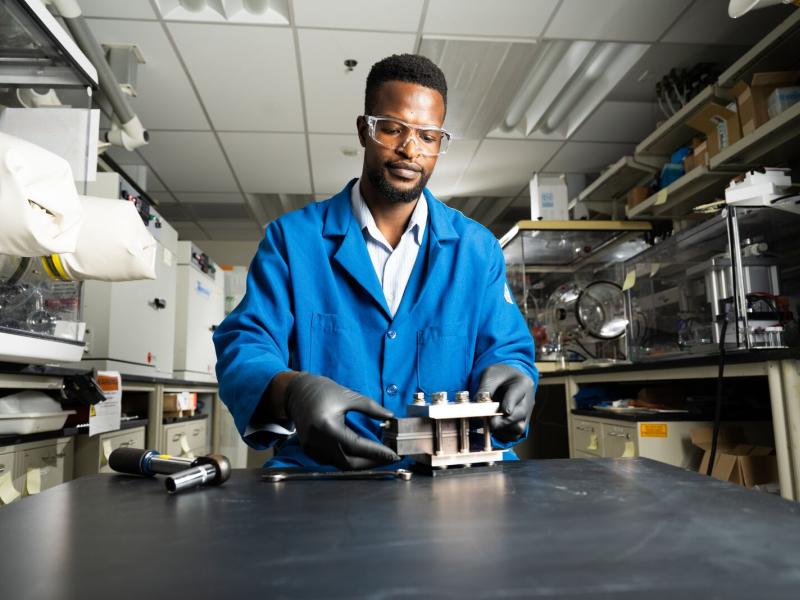
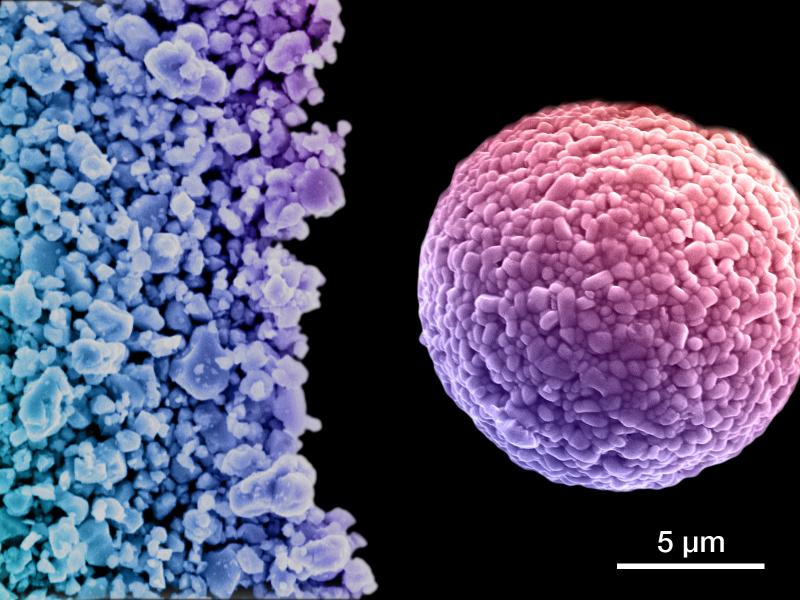
A seemingly simple shift in lithium-ion battery manufacturing could pay big dividends, improving electric vehicles’ ability to store more energy per charge and to withstand more charging cycles.
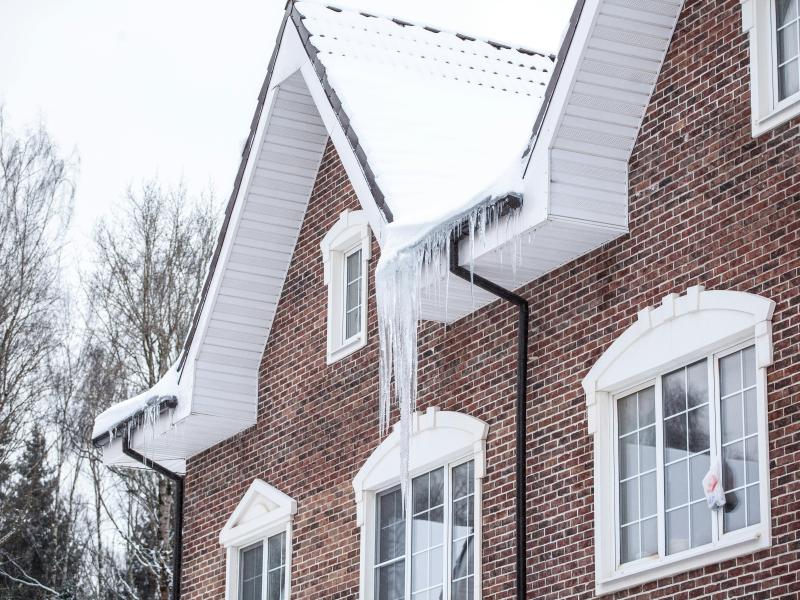
From air-sealing windows and checking for leaky ducts to insulating the attic, PNNL researchers offer tips on how to keep a home warm in winter weather.