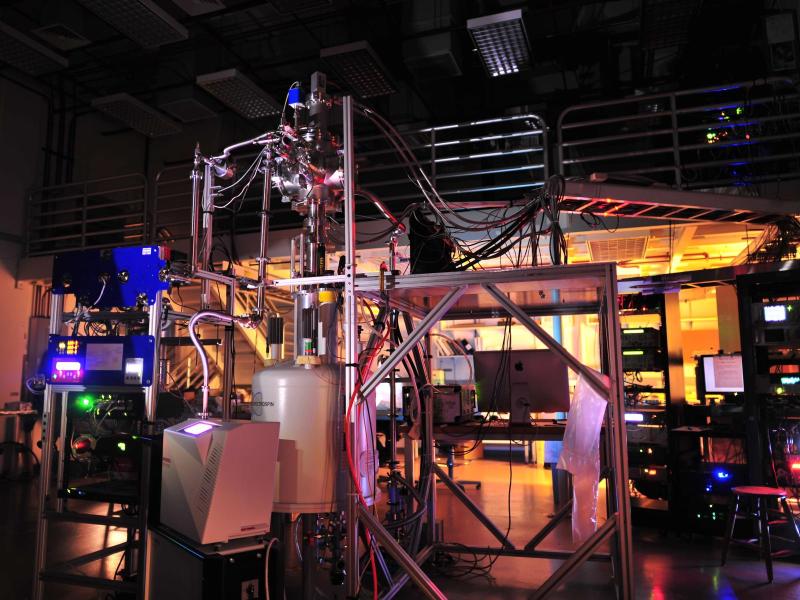
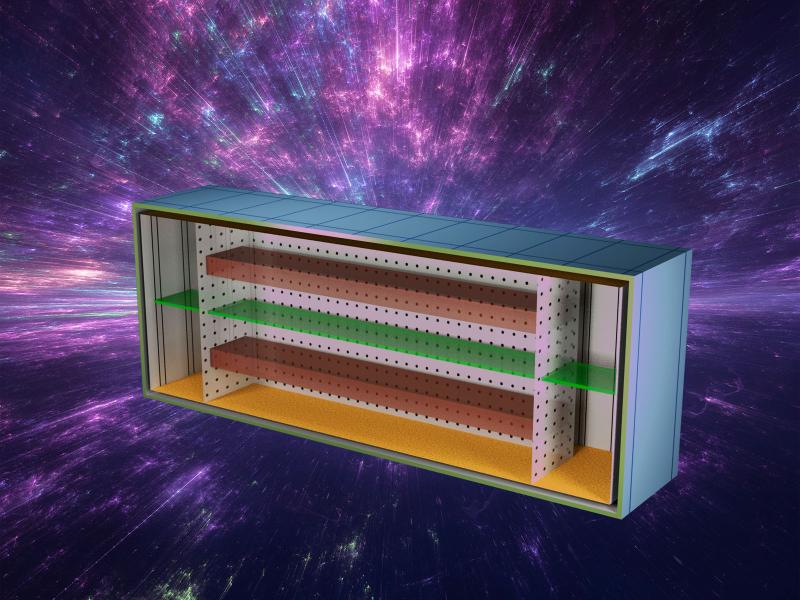
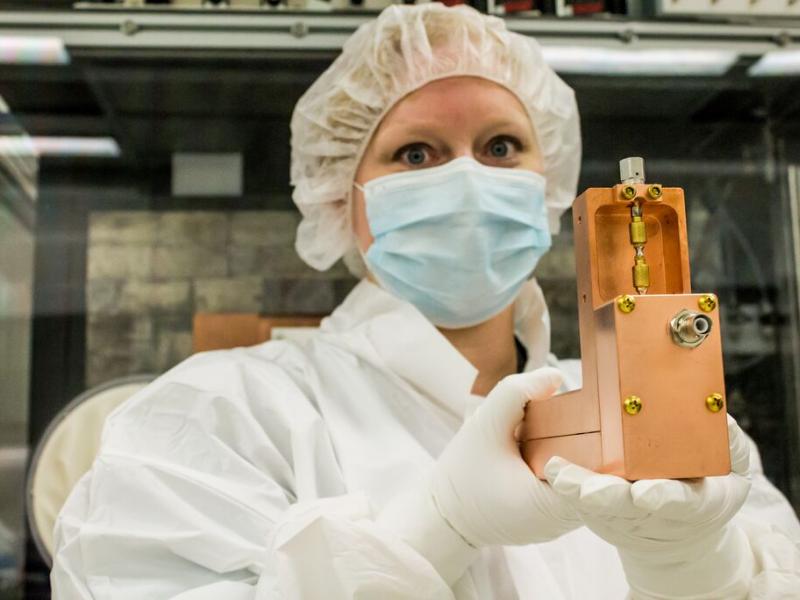
Neutrino mass, a crucial piece of many unresolved physics puzzles, may one day be revealed through a novel measurement system that has just proven its mettle: Cyclotron Radiation Emission Spectroscopy.
Researchers from Pacific Northwest National Laboratory created and embedded a physics-informed deep neural network that can learn as it processes data.
Randomly constructed neural networks can learn how to represent light interacting with atmospheric aerosols accurately at a low computational cost and improve climate modeling capabilities.
Four PNNL researchers received highly competitive DOE Early Career Research Program awards, providing five continuous years of funding for their projects.
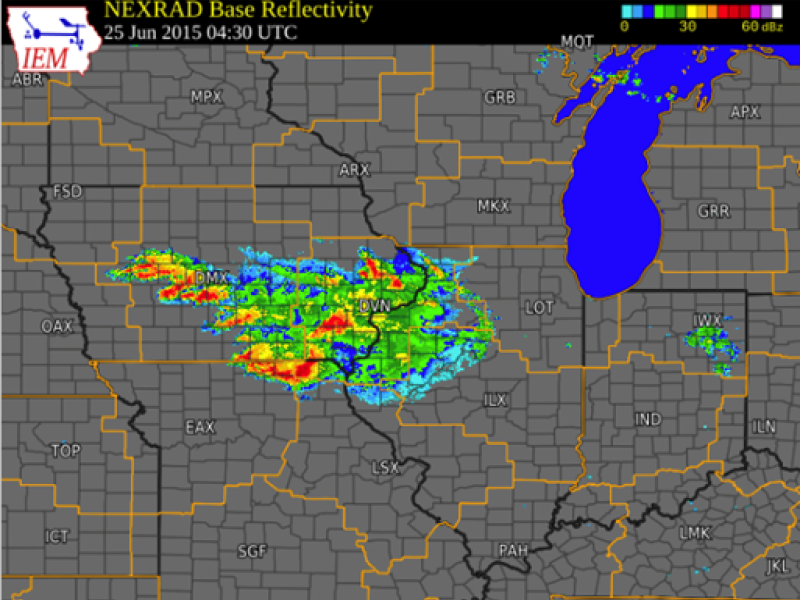
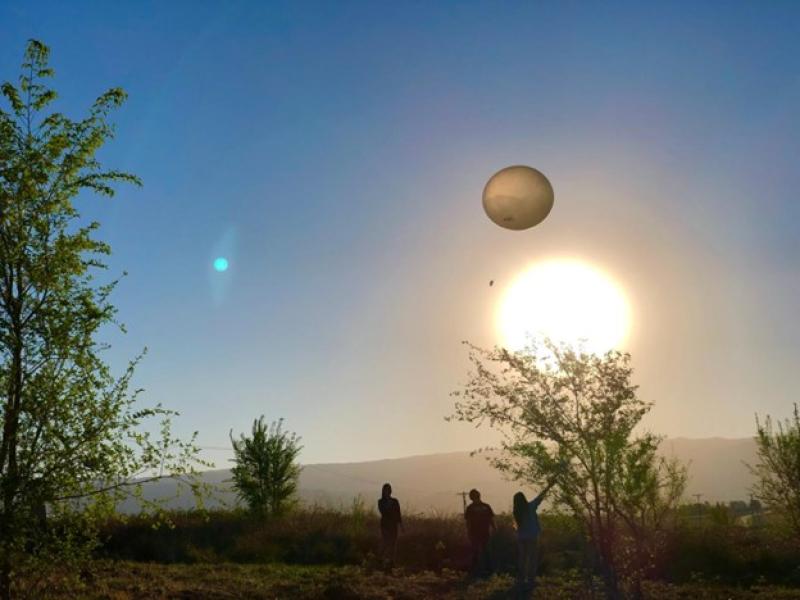
Assessing observed weather conditions that support or suppress the growth of clouds into deep precipitating storms during the Cloud, Aerosol, and Complex Terrain Interactions experiment.
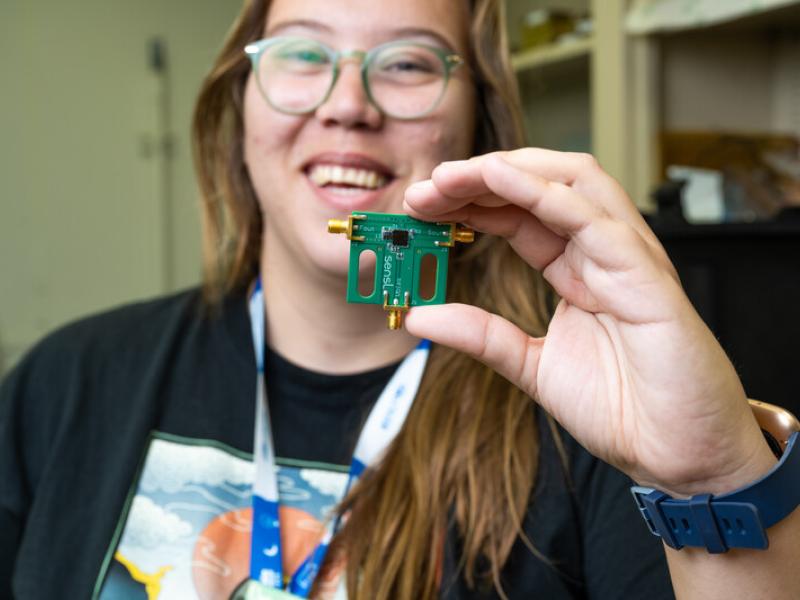
Physicist Emily Mace will share her science journey and an interactive presentation about her current research with middle school and high school students from across the country at the National Science Bowl.
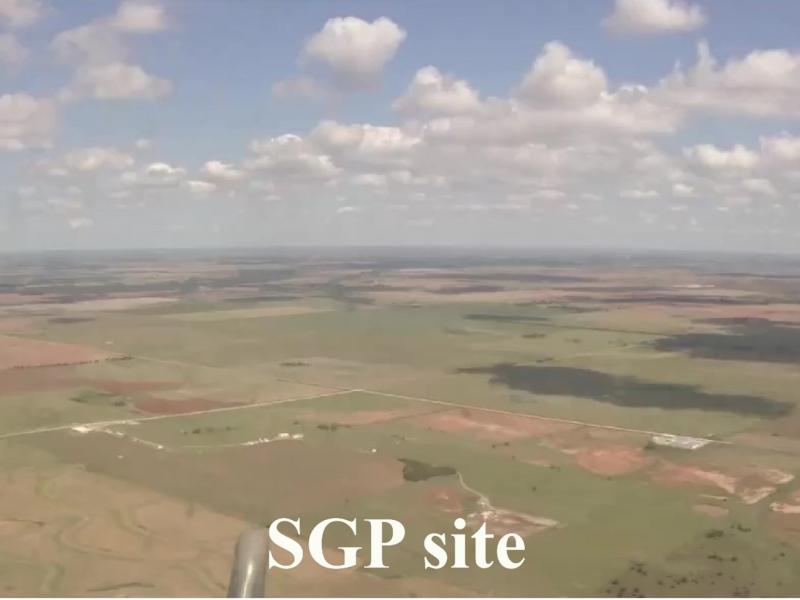
Performing closure studies using aerosol size, aerosol composition, and cloud condensation nuclei measurements of mixed aerosol from the Southern Great Plains region.
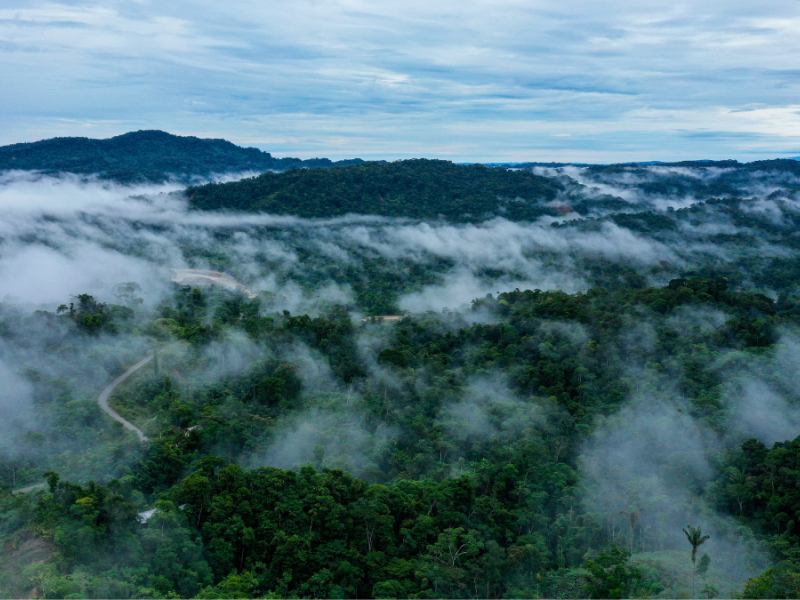
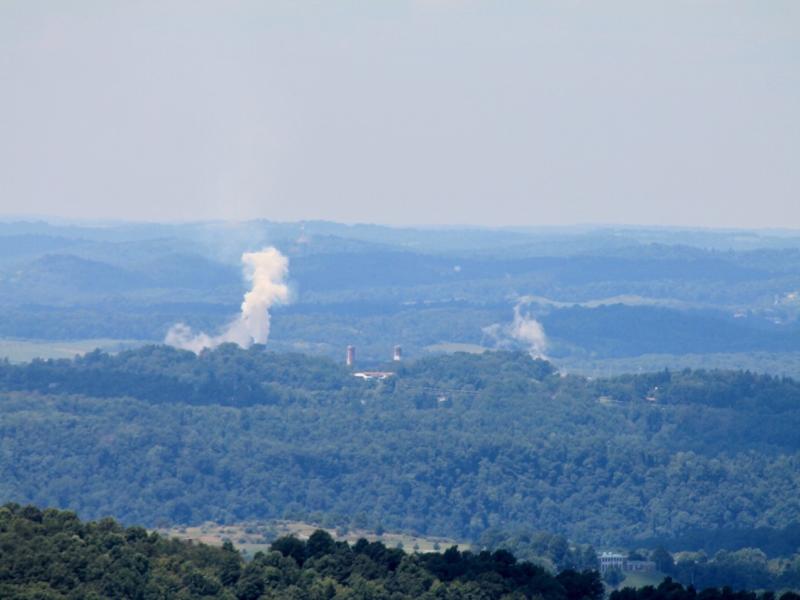
Secondary organic aerosol formation from monoterpenes is more strongly influenced by oxidant and monoterpene structure than by nitric oxides and hydroperoxy radical concentrations.