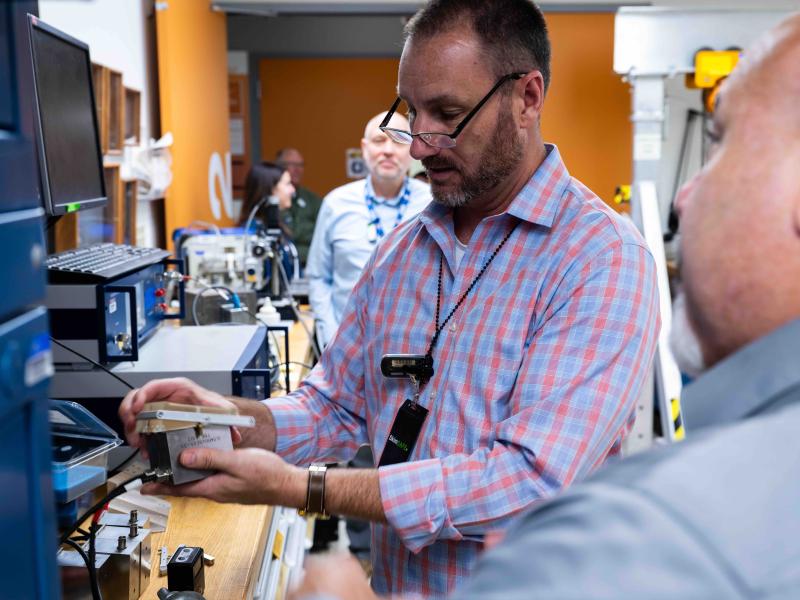
Bradley Crowell with the U.S. Nuclear Regulatory Commission sees advanced materials integrity, radiological measurement, and environmental capabilities on his first visit to PNNL.
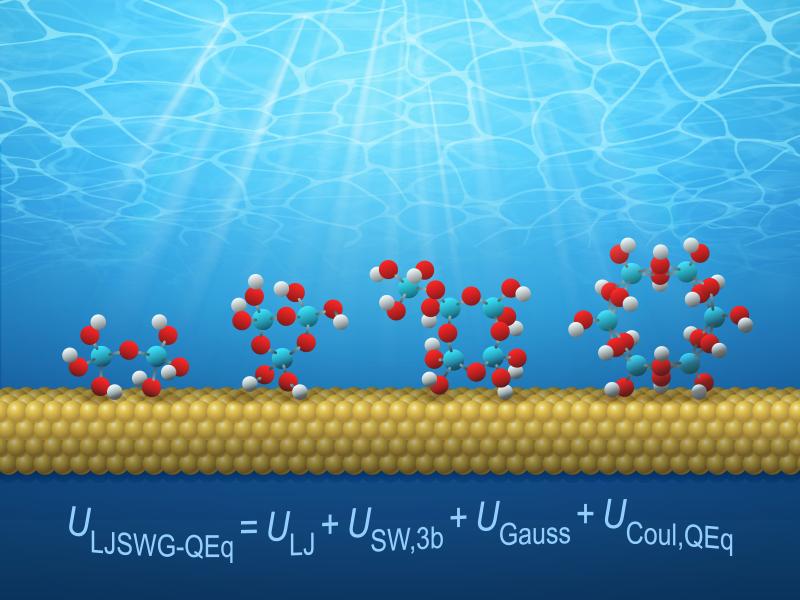
IDREAM research shows that keeping only the most important two- and three-body terms in reactive force fields can decrease computational cost by one order of magnitude, while preserving satisfactory accuracy.
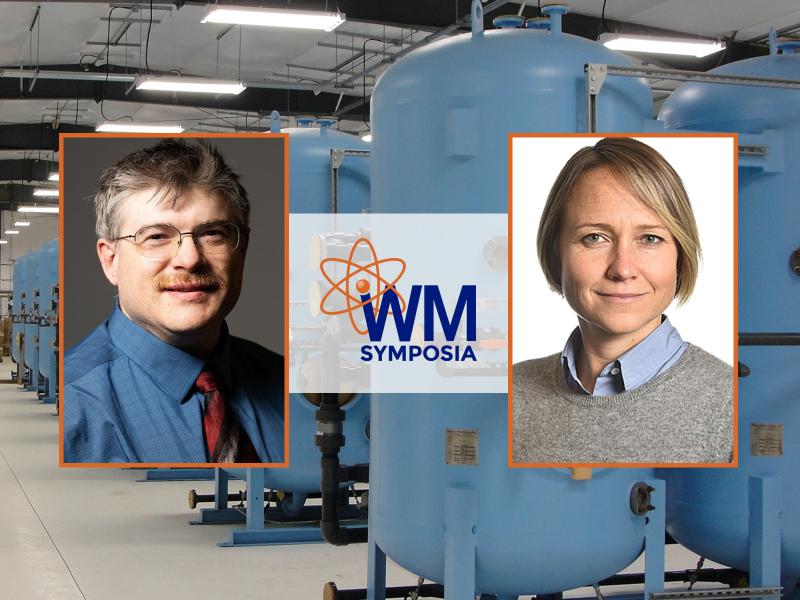
Waste Management Symposia ‘Paper of Note’ and ‘Superior Paper’ awards recognize PNNL contributions to advancing radioactive waste and materials management.
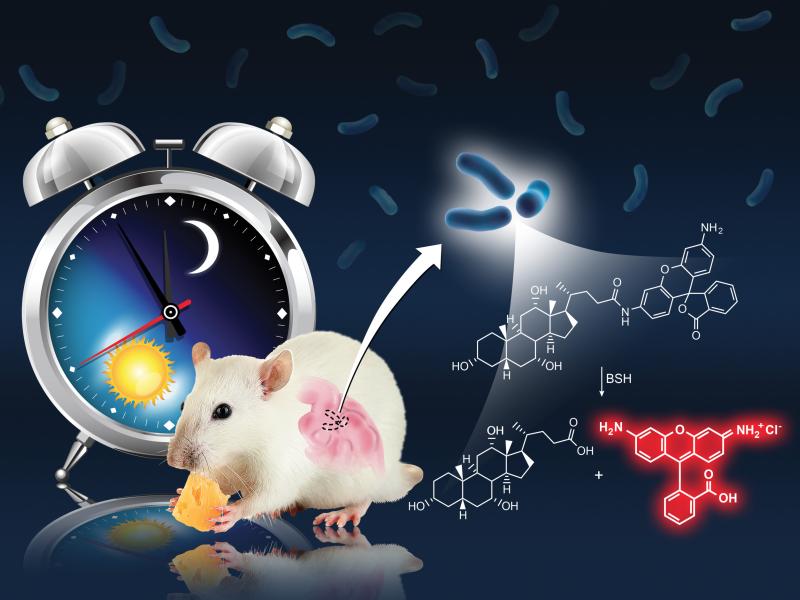
This study profiled the 24-hour rhythmicity in bile salt hydrolase enzyme activity using simple fluorescence assay and the results showed that this rhythmicity is influenced by feeding patterns of the host.
New research from PNNL and Washington State University collaborators connects the microbiome in the gut to circadian rhythms, suggesting a role for the microbiome as an internal regulator.
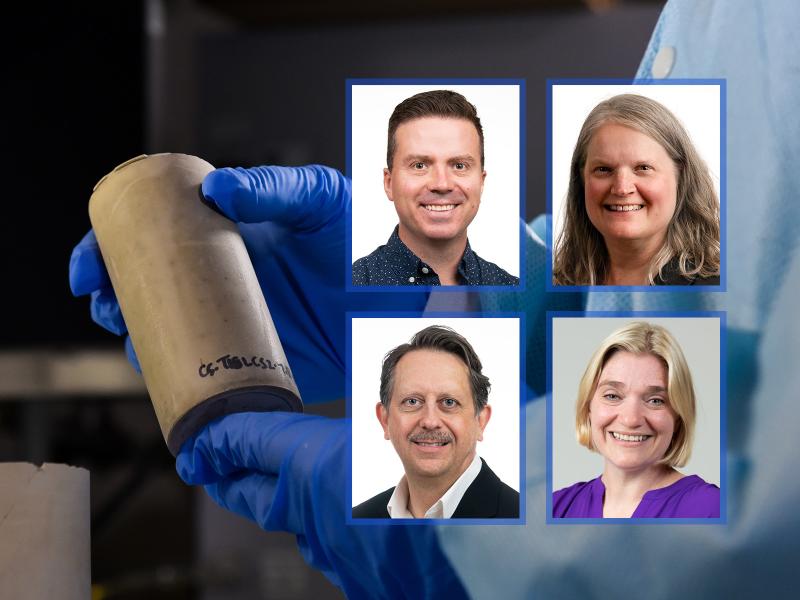
Team brought experience in nuclear waste forms and regulatory policies to the Federally Funded Research and Development Center’s report, which was reviewed by a National Academies’ committee.
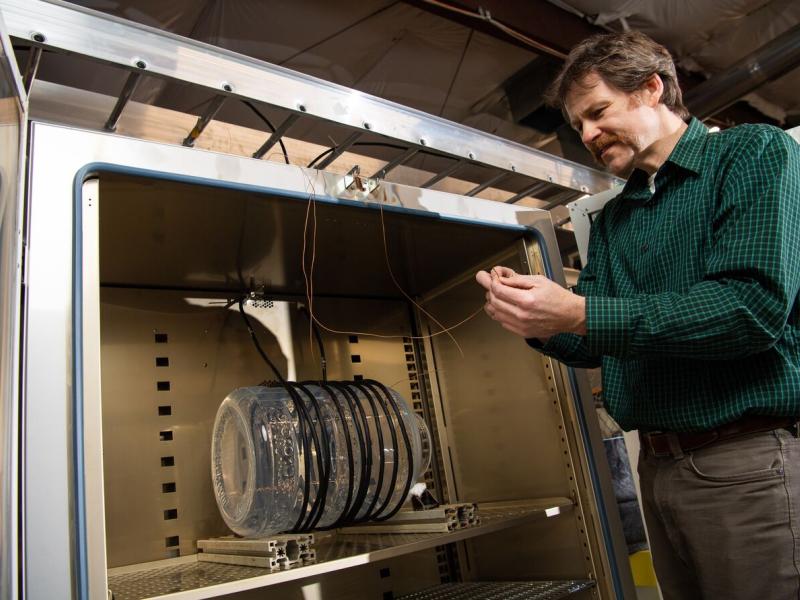
PNNL’s ARENA test bed analyzes how electrical cables degrade in extreme environments and how nondestructive examination inspection technologies can detect and locate damage.
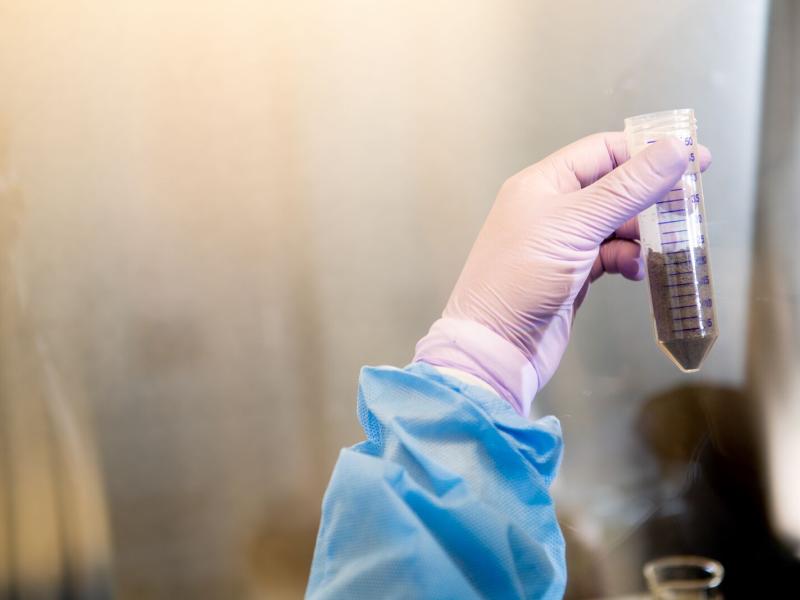
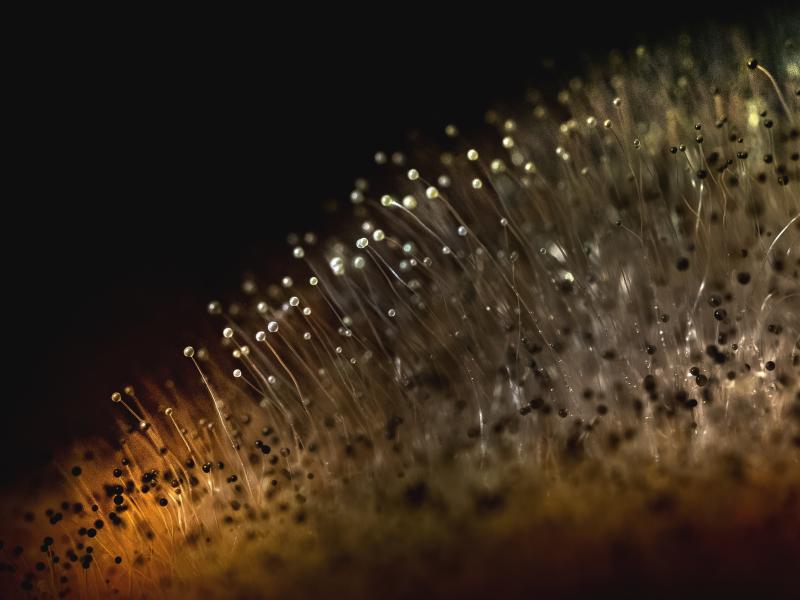
The popular approach of organizing soil bacteria into fast- or slow-growing groups is problematic because most bacteria grow at comparable rates in soil.
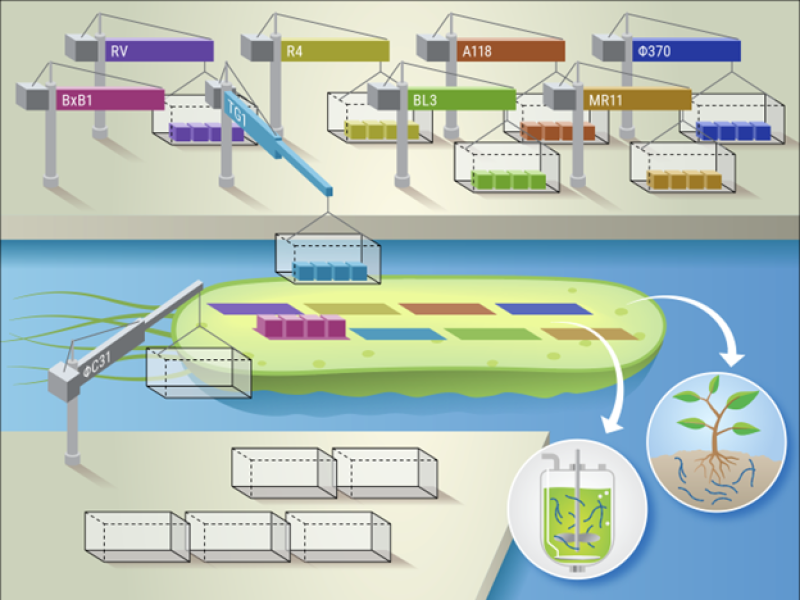
SAGE is a high-efficiency genome integration strategy for bacteria that makes the stable introduction of new traits simple for newly discovered microbes.
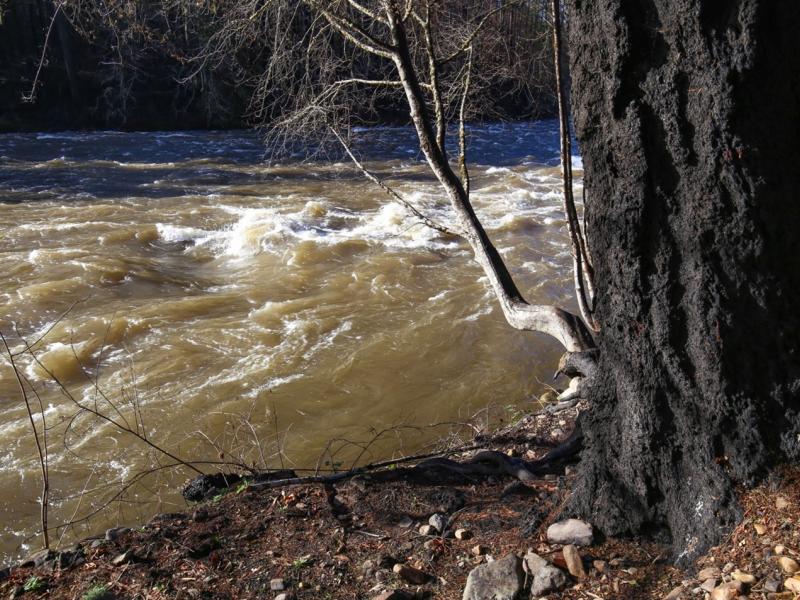
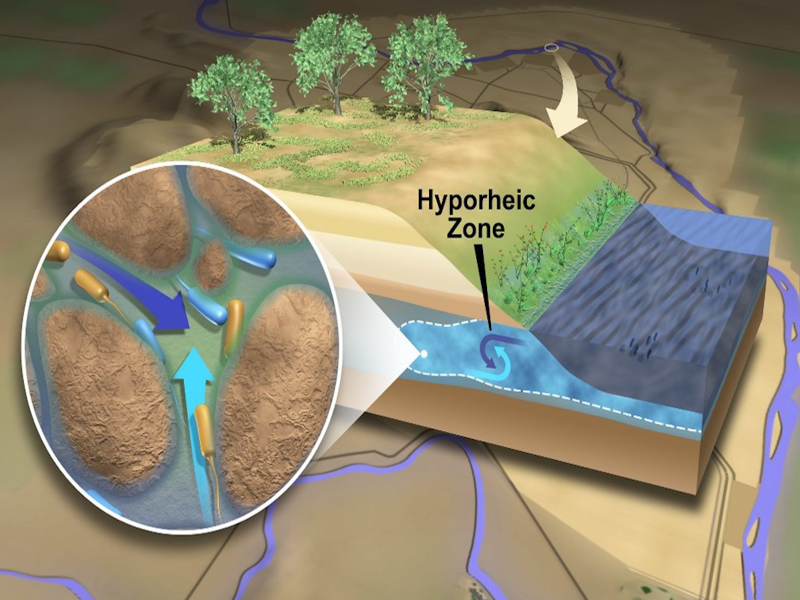
Variations in burn severity are a key control on the chemical constituents of dissolved organic matter delivered to streams within a single burn perimeter.
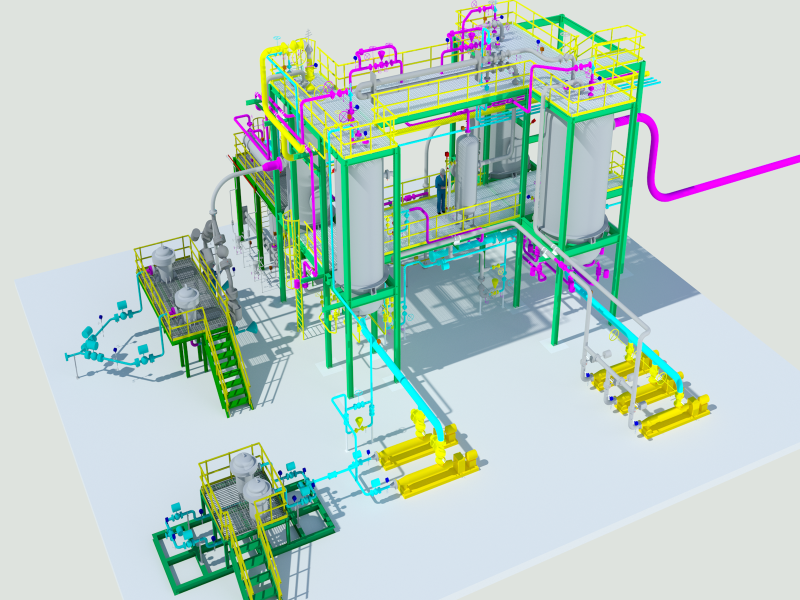
A PNNL innovation uses steam to recover heat from the high-temperature reactor effluent in the HTL process, substantially reducing the propensity for fouling and potentially reducing costs.
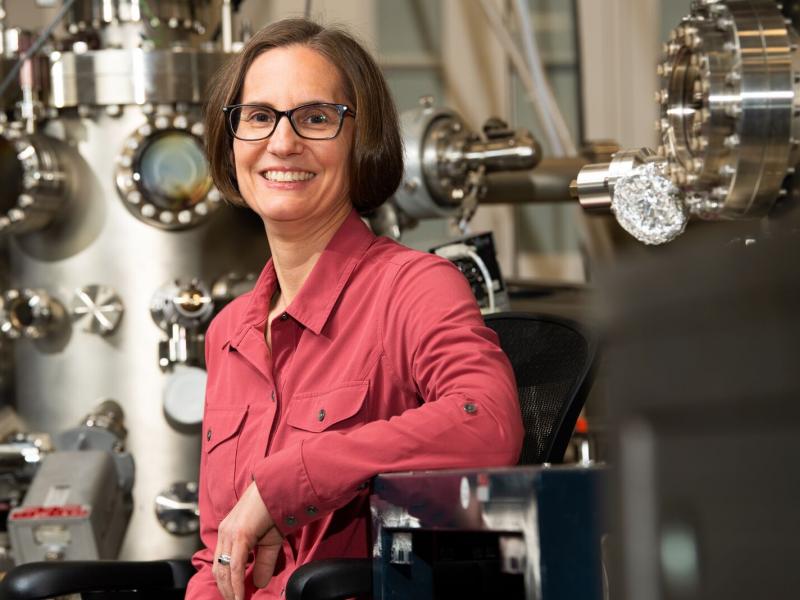
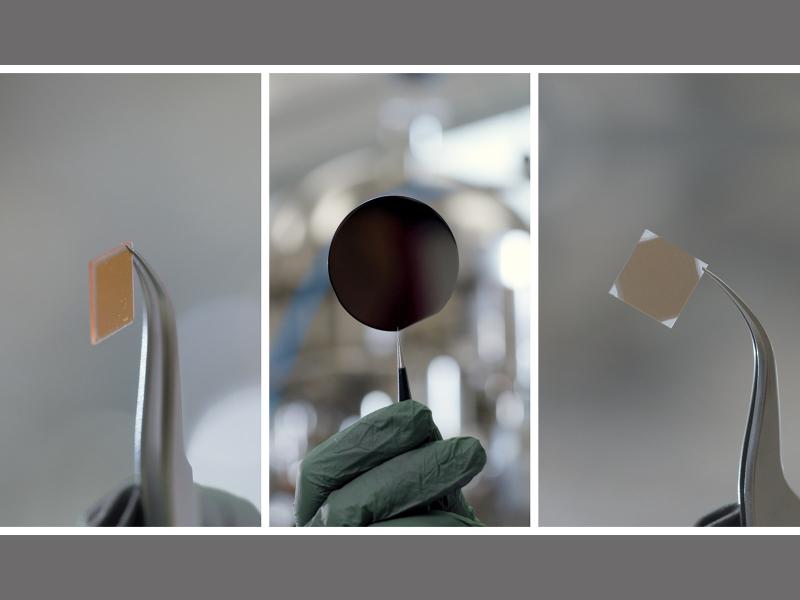
Thin oxide films play an important role in electronics and energy storage. Researchers in PNNL’s film growth laboratory create, explore, and improve new thin oxide films.
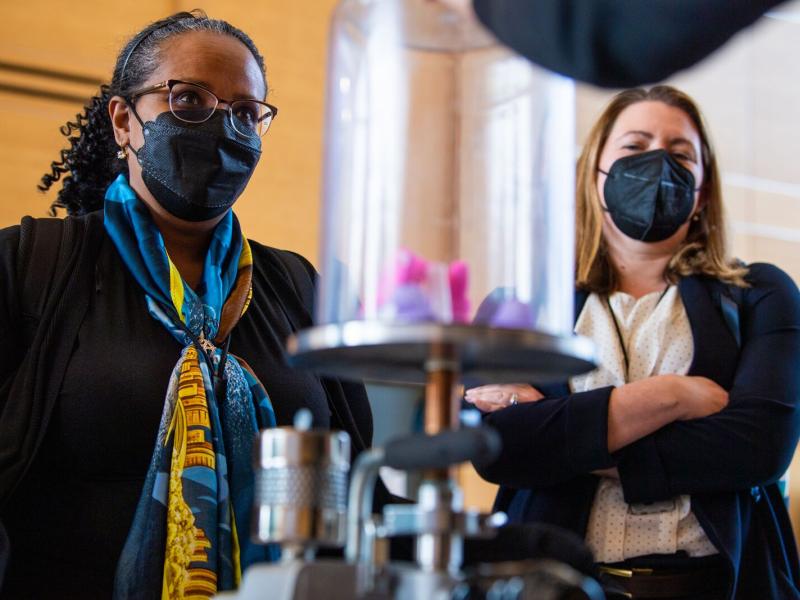
Department of Energy, Office of Science Director Asmeret Asefaw Berhe visited PNNL to learn about the Lab’s drive to conduct discovery science, commitment to science for an equitable future, and development of a diversified STEM workforce.
Mitra Taheri served as a co-editor on a special issue of the Materials Research Society Bulletin, which also featured work from Daniel Schreiber and Cindy Powell.
A multi-omics analysis provides the framework for gaining insights into the structure and function of microbial communities across multiple habitats on a planetary scale