From developing new energy storage materials to revealing patterns of Earth’s complex systems, studies led by PNNL researchers are recognized for their innovation and influence.
Two new publications provide emergency response agencies with critical insights into commercially available unmanned ground vehicles used for hazardous materials response.
The Wildfire Mitigation Plan Database was built to support electric utilities, state governments, policymakers, and regulators in understanding and improving wildfire risk and resilience strategies.
Three PNNL-supported projects are at the forefront of developing advanced data analytics technologies to enhance the U.S. power grid’s reliability, resilience, and affordability.
The Grid Storage Launchpad dedication event was attended by leaders in grid and transportation energy storage, battery innovation, and industry stakeholders working to transform America’s energy system.
Early life exposure to polycyclic aromatic hydrocarbons (PAHs), found in smoke, has been linked to developmental problems. To study the impacts of these pollutants, PAH metabolism in infants and adults were compared.
Erich Hsieh, Deputy Assistant Secretary for OE’s Energy Storage Division, shared insights about the Grid Storage Launchpad and energy storage innovations .
PNNL and collaborators developed new models—recently approved by the U.S. Western Electricity Coordinating Council (WECC)—to help utilities understand how new grid-forming inverter technology will enhance grid stability.
At the second Grid Resilience to Extreme Events Summit, a diverse range of experts gathered to tackle the biggest challenges in building a resilient grid.
PNNL computing experts Robert Rallo and Court Corley contribute their knowledge to a recent DOE report on applications of AI to energy, materials, and the power grid.
PNNL advisors joined a panel of Washington State emergency management personnel to discuss how partnerships with national laboratories are enabling science and technology solutions.
Researchers used a combination of sophisticated laboratory incubations and field measurements to determine the role of microbial production and consumption of methane in soils with different exposure to tidal inundation
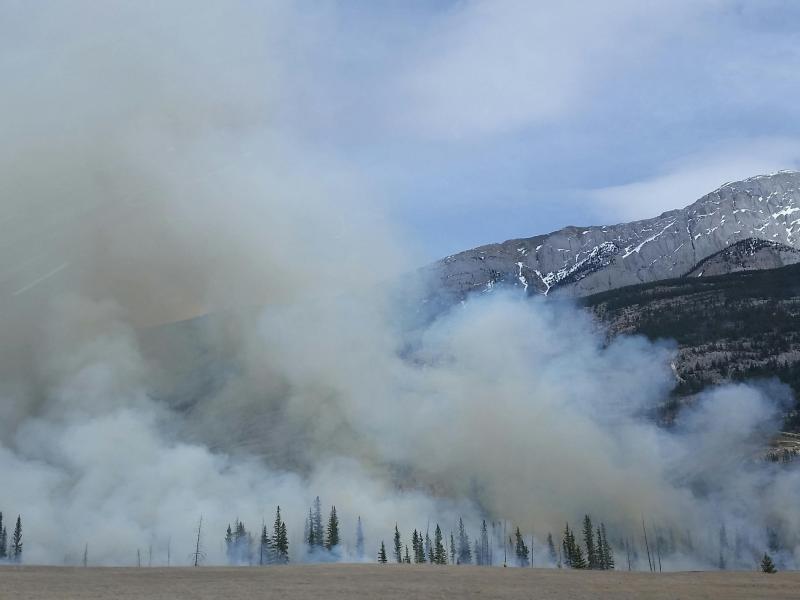
Researchers devised a quantitative and predictive understanding of the cloud chemistry of biomass-burning organic gases helping increase the understanding of wildfires.



![Image of the [4Fe-4S] cluster.](/sites/default/files/styles/thumbnail/public/media/image/Raugei%2C%20hero.jpg?h=08b866d1&itok=EJ1D9uUX)