With future warming, storms in the Western U.S. will be larger and produce more intense precipitation, particularly near the storm center, and increase flood risks.
PNNL welcomes new joint appointments to expand the research productivity and scientific impact of both PNNL and the university partners, broadening the base of expertise at each institution and helping to build interdisciplinary teams.
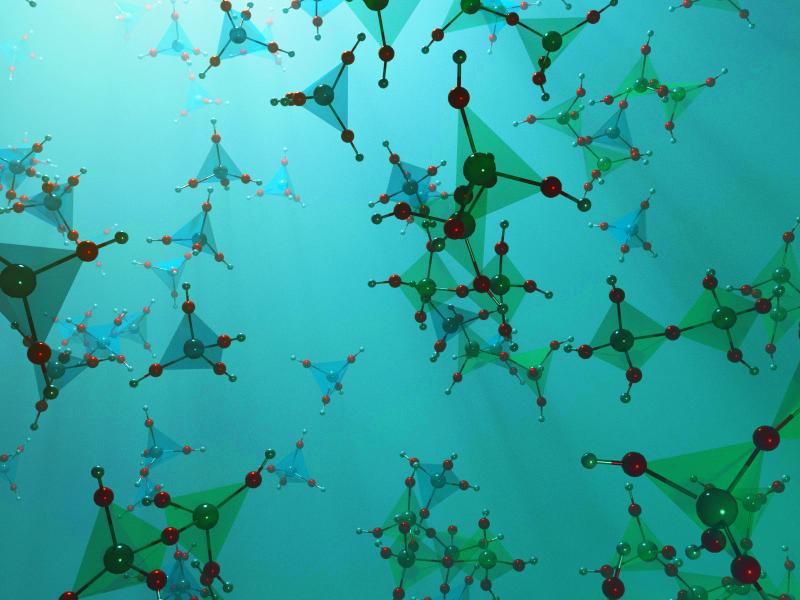
A multi-omics analysis provides the framework for gaining insights into the structure and function of microbial communities across multiple habitats on a planetary scale
Machine learning models help identify important environmental properties that influence how often extreme rain events occur with critical intensity and duration.
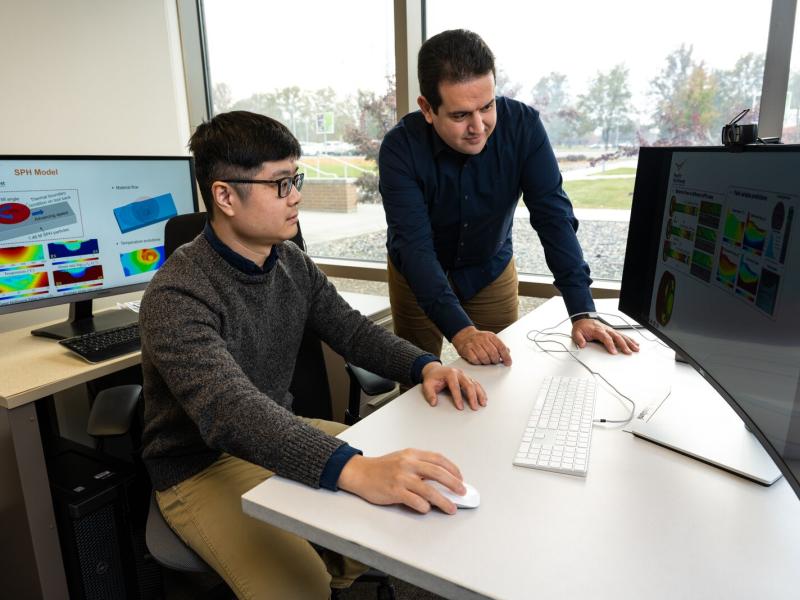
A PNNL-developed computational framework accurately predicts the thermomechanical history and microstructure evolution of materials designed using solid phase processing, allowing scientists to custom design metals with desired properties.
Cesar Moriel from University of Texas at El Paso will be interning at the PNNL over the summer as part of the Energy Environment Diversity Internship Program.
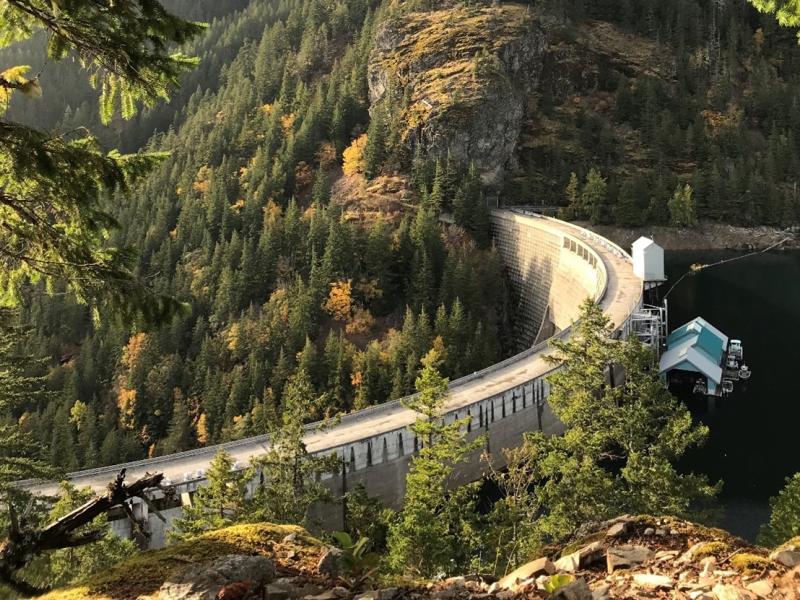
A scenario approach was used to explore the potential future role of hydropower around the globe considering the multisectoral dynamics of regional energy systems and basin-specific water resources.
Report for the Oregon Public Utility Commission highlights innovations and best practices for resilience and utility planning could be helpful to other states as well.
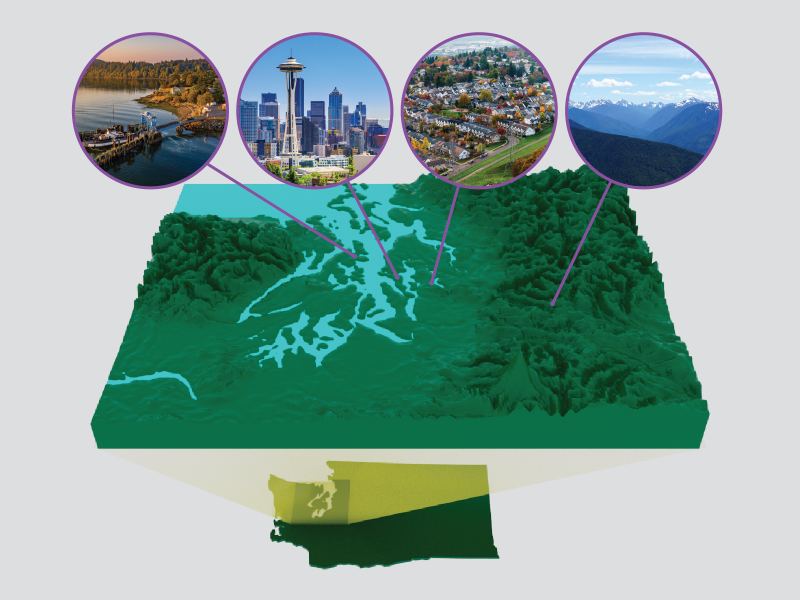
A new report, based on a community workshop and literature review, summarizes some of the biggest challenges in understanding and modeling Earth system and human–Earth system dynamics in the Puget Sound region of Washington State.
The work by the team at PNNL takes a critical step in leveraging ML to accelerate advanced manufacturing R&D, specifically for manufacturing techniques without access to efficient, first-principles simulations.