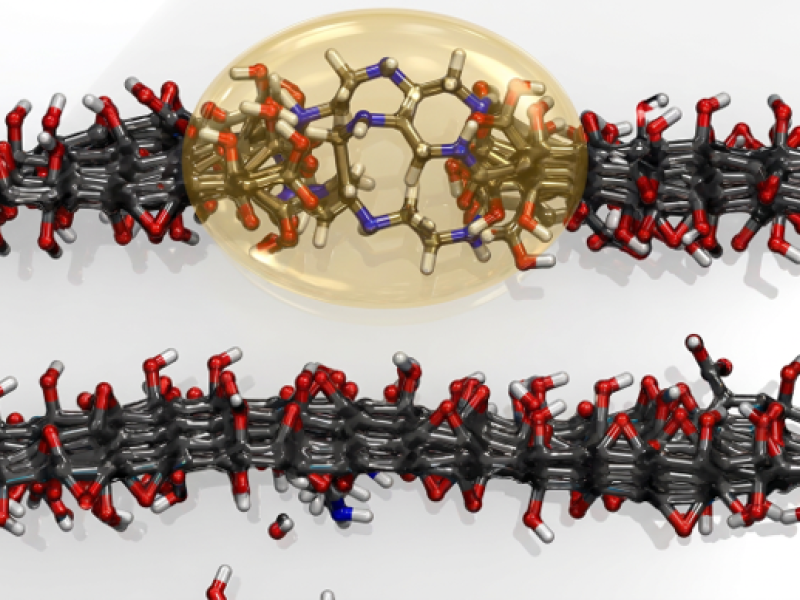
Amine functionalized graphene oxide yields laminates with an enhanced capacity to adsorb rare earth elements, improved water transport, and greater stability for effective membrane-based separation of critical minerals.
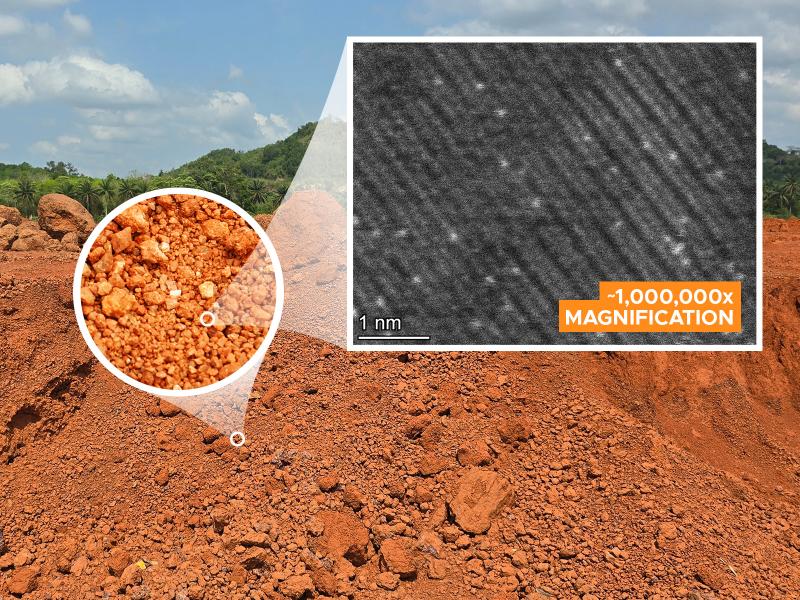
Replacing commercial acid with acidic waste enables researchers to improve nickel extraction efficiency, lower projected costs, and improve process economics.
Localized gradients in magnetic fields have long-range effects on the concentration of rare earth ions in solution, facilitating field-driven extraction of critical minerals.
A team of researchers from Pacific Northwest National Laboratory and the Environmental Molecular Sciences Laboratory developed a new and flexible software tool called “Advanced Spectra PCA Toolbox.”
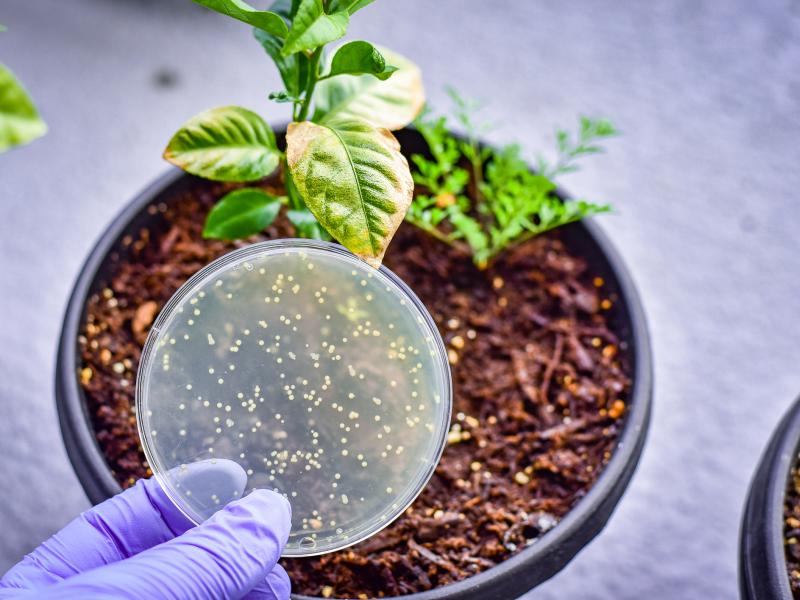
Scientists at PNNL have published a new article that focuses on understanding the composition, dynamics, and deployment of beneficial soil microbiomes to get the most out of soil.
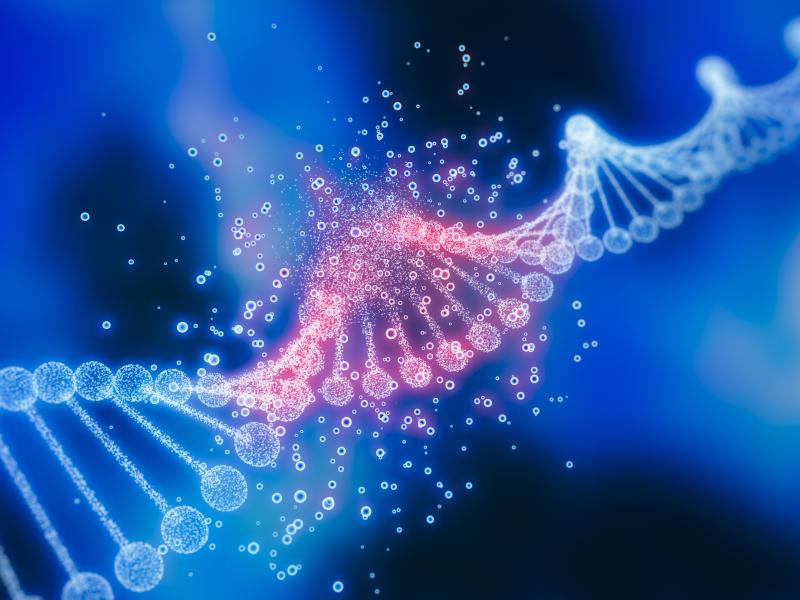
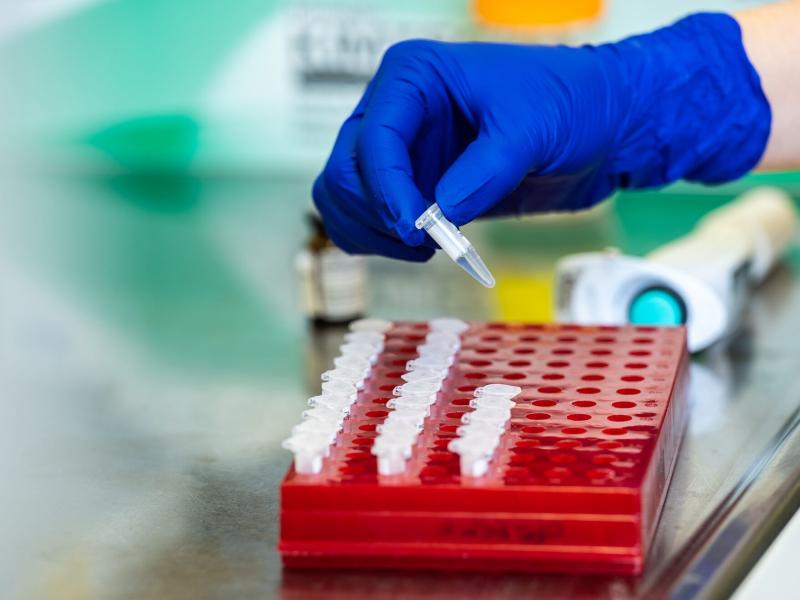
A team of researchers from PNNL provided technical knowledge and support to test a suite of techniques that detect genetically modified bacteria, viruses, and cells.
Small teams in the Biological Sciences Division at PNNL and at EMSL—the Environmental and Molecular Sciences Laboratory, an Office of Science user facility at PNNL—are pros at preparation.
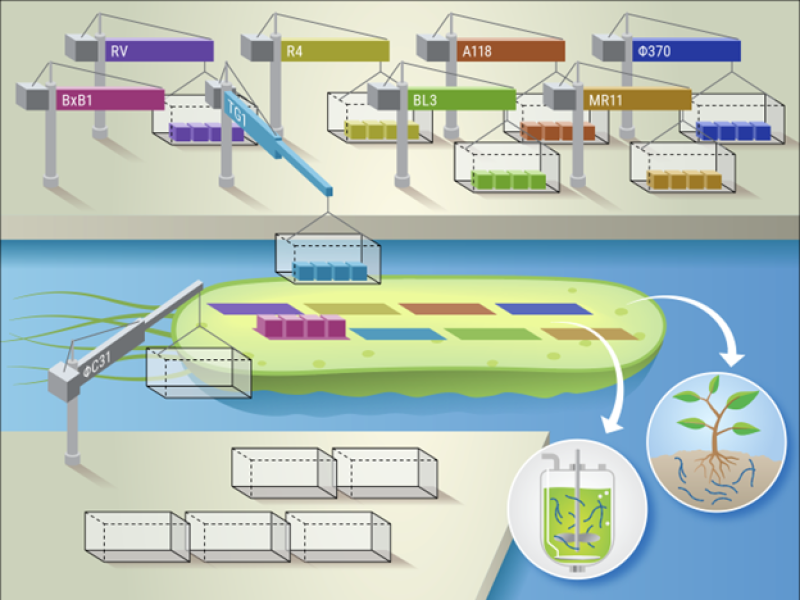
SAGE is a high-efficiency genome integration strategy for bacteria that makes the stable introduction of new traits simple for newly discovered microbes.
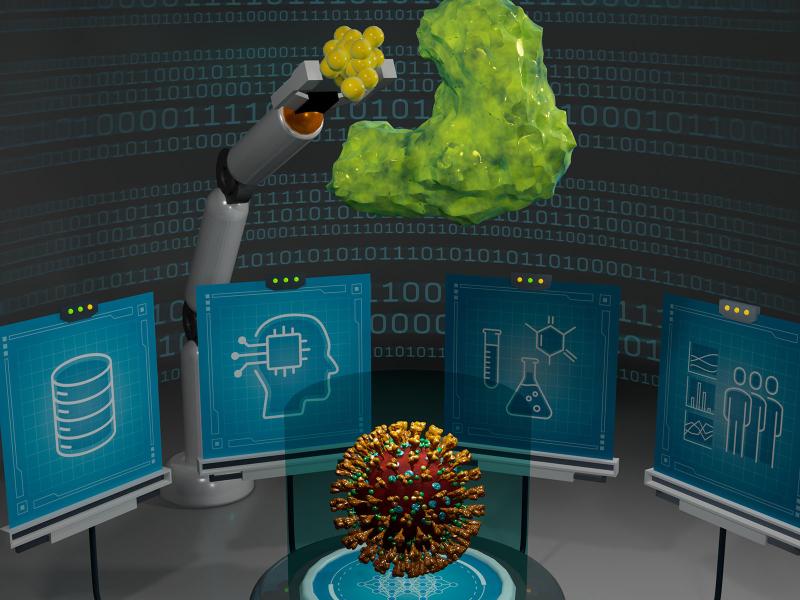
Data-driven autonomous technology to rapidly design and deliver antiviral interventions targeting SARS-CoV-2 to reduce drug discovery timeline and advance bio preparedness capabilities.