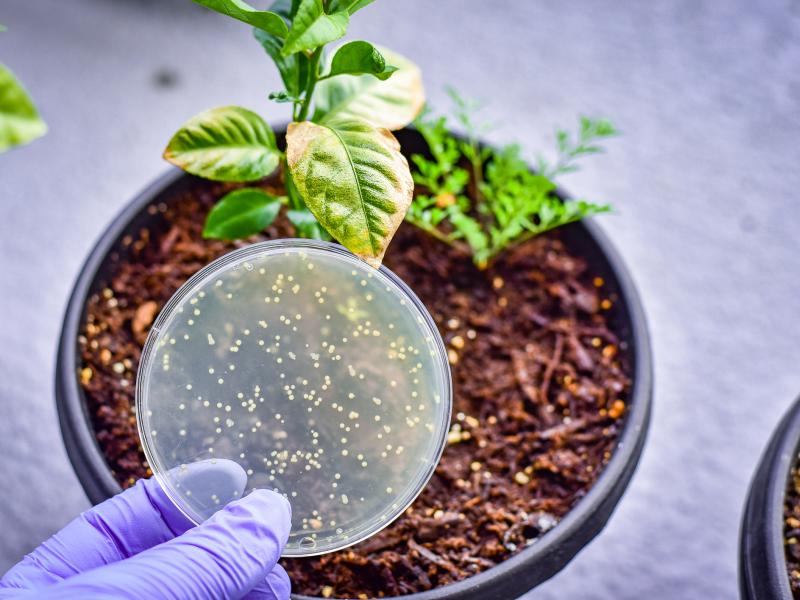
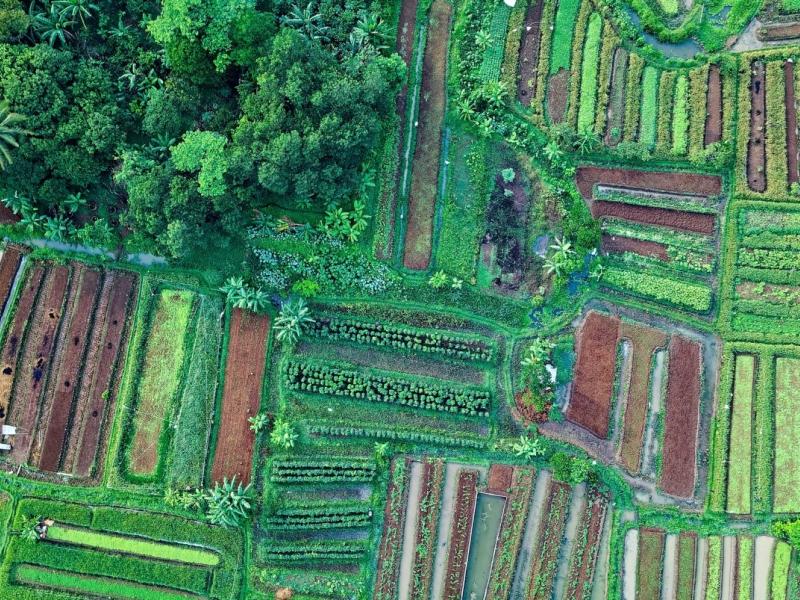
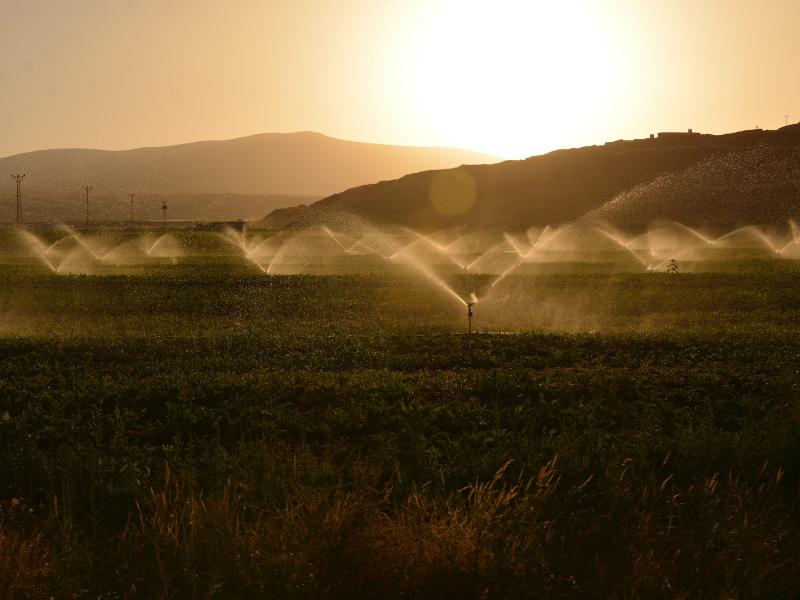
Scientists at PNNL have published a new article that focuses on understanding the composition, dynamics, and deployment of beneficial soil microbiomes to get the most out of soil.
A team of researchers from PNNL provided technical knowledge and support to test a suite of techniques that detect genetically modified bacteria, viruses, and cells.
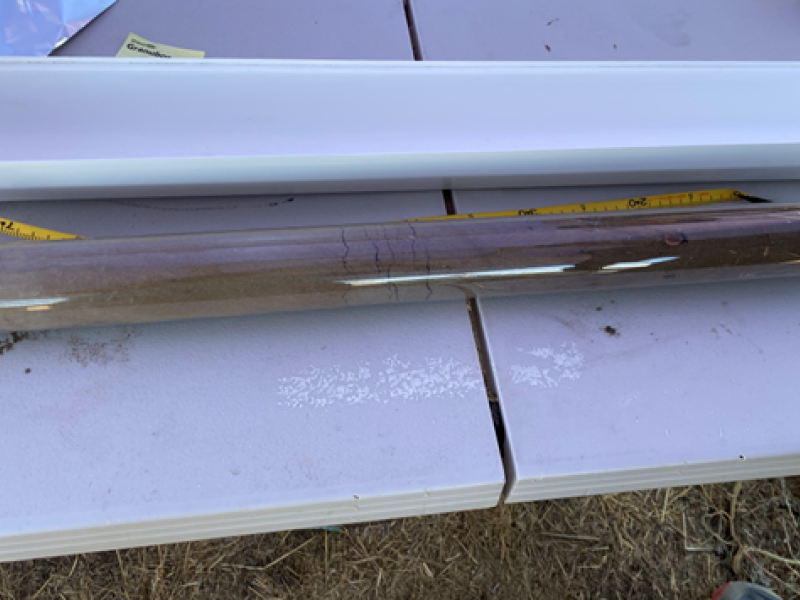
Soil is a massive reservoir of carbon, holding three times the amount of carbon than in the atmosphere. Soil is a massive reservoir of carbon, holding three times the amount of carbon than in the atmosphere.
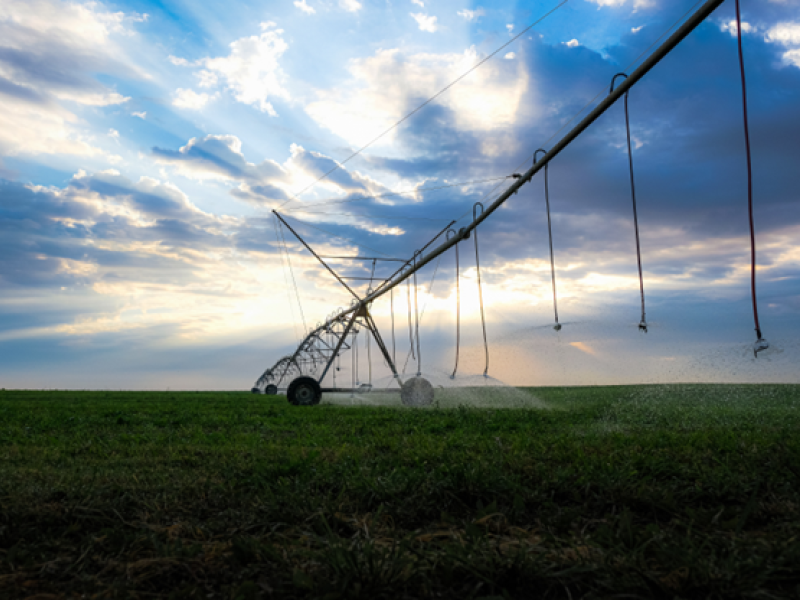
Variations in the level of market globalization can greatly affect the amount of water required to meet future global demand for agricultural commodities.
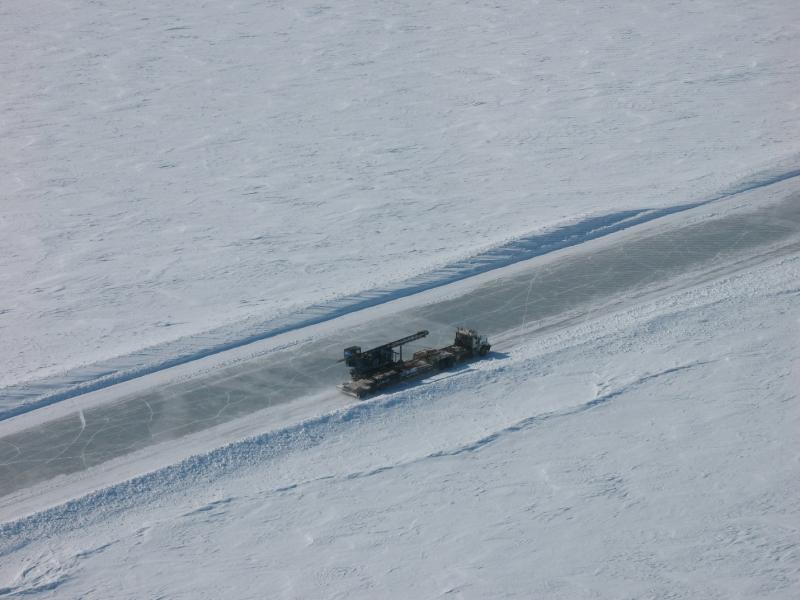
Climate change and socioeconomic pressures are transforming passenger and freight transportation in the Arctic, producing effects that have yet to be fully understood.
High fidelity simulations enabled by high-performance computing will allow for unprecedented predictive power of molecular level processes that are not amenable to experimental measurement.
Testing the assumption that different future socio-economic development patterns, which result in different land-use changes, can be paired with different future climate outcomes for risk assessments in a multi-model framework.
Incorporating spatially explicit land characteristics in a global model illustrates the complex effects of applying uniform regional protection assumptions in a global analysis.
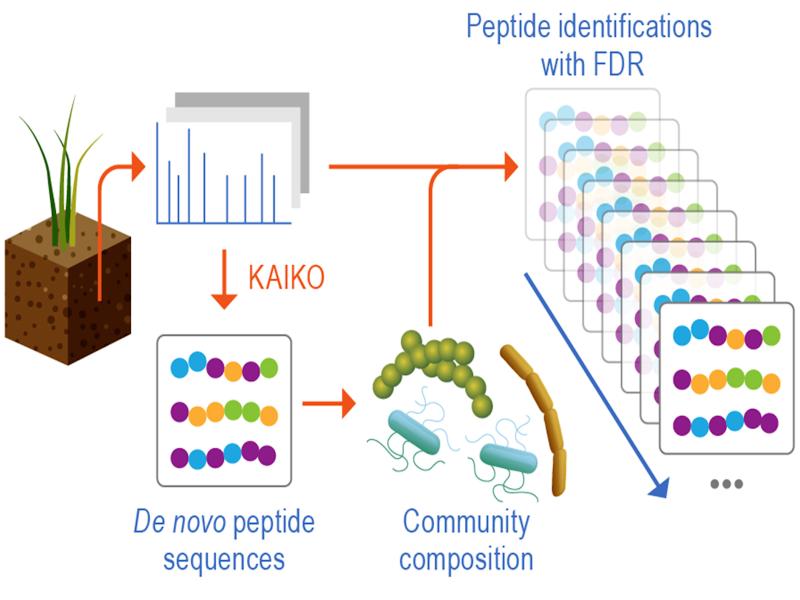
Scientists can now generate a protein database directly from proteomics data gathered from a specific soil sample using a digital tool and deep learning computer model called Kaiko.
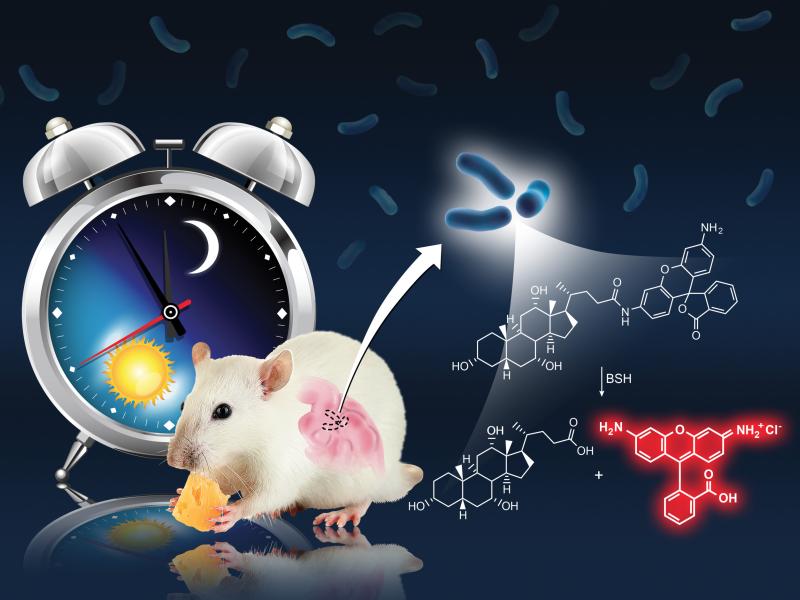
This study profiled the 24-hour rhythmicity in bile salt hydrolase enzyme activity using simple fluorescence assay and the results showed that this rhythmicity is influenced by feeding patterns of the host.
New research from PNNL and Washington State University collaborators connects the microbiome in the gut to circadian rhythms, suggesting a role for the microbiome as an internal regulator.
The popular approach of organizing soil bacteria into fast- or slow-growing groups is problematic because most bacteria grow at comparable rates in soil.