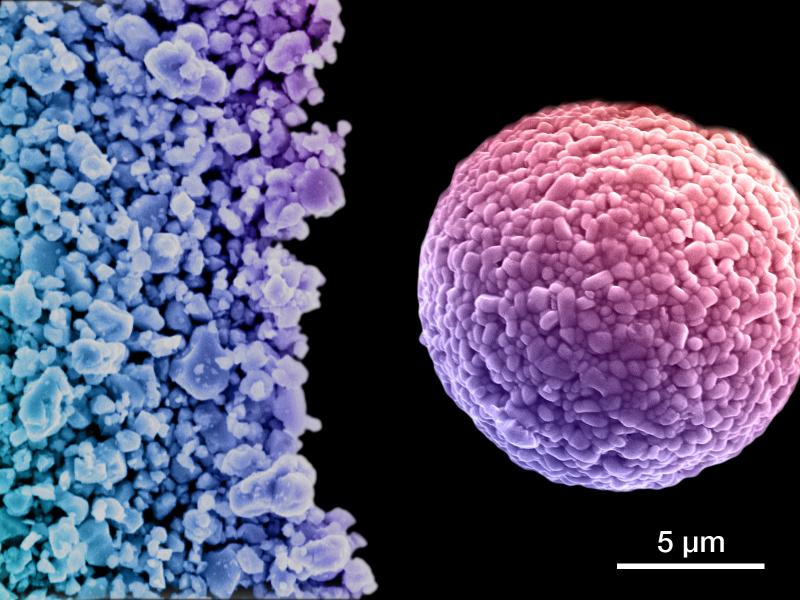
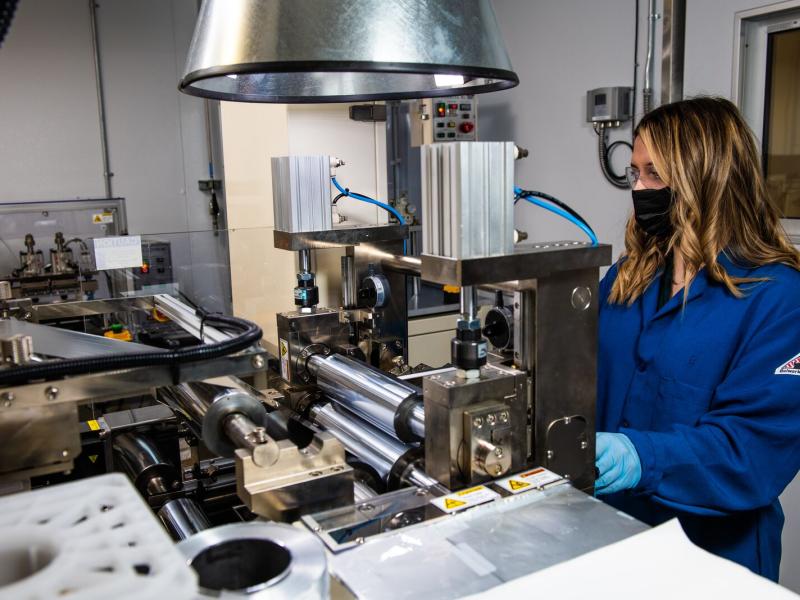
A seemingly simple shift in lithium-ion battery manufacturing could pay big dividends, improving electric vehicles’ ability to store more energy per charge and to withstand more charging cycles.
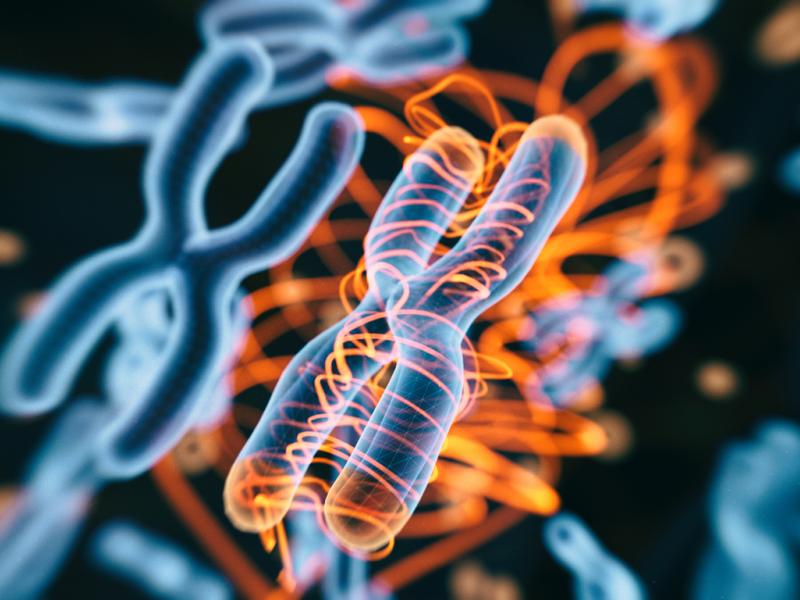
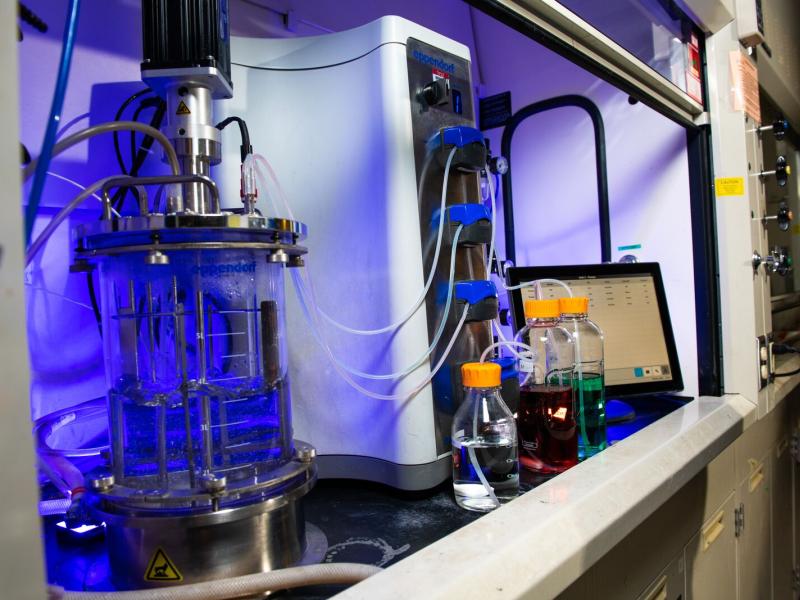
A team of researchers from PNNL provided technical knowledge and support to test a suite of techniques that detect genetically modified bacteria, viruses, and cells.
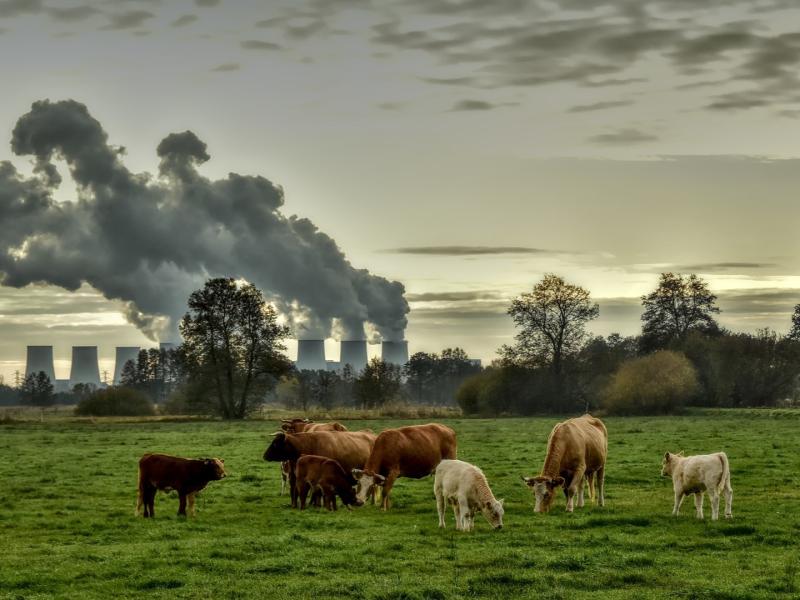
In a new paper, researchers point to three major efforts where the biggest climate mitigation gains stand to be realized: ramping up carbon dioxide removal, reigning in non-carbon dioxide emissions and halting deforestation.
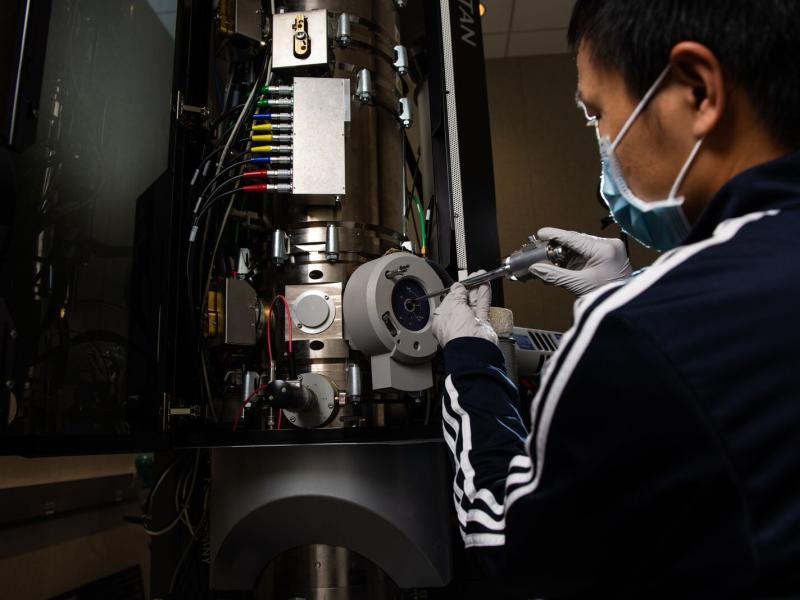
Rechargeable battery performance could be improved by a new understanding of how batteries work at the molecular level. Researchers at PNNL upend what's known about how rechargeable batteries function.
Jonathan Forman was nominated to serve on the delegation of the United States of America at the second meeting of the Working Group on Strengthening the Biological Weapons Convention.
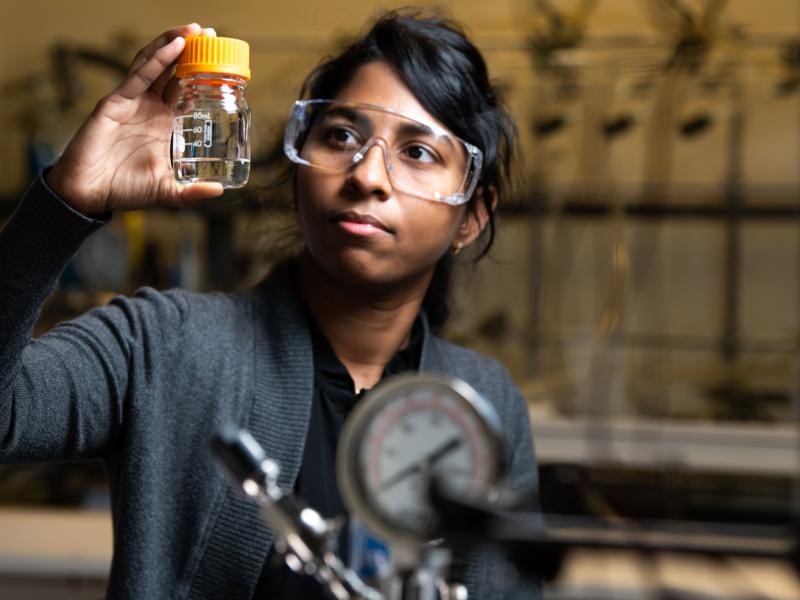
A new discovery by PNNL researchers has illuminated a previously unknown key mechanism that could inform the development of new, more effective catalysts for abating NOx emissions from combustion-engines burning diesel or low carbon fuel.
The Department of Energy’s Vehicle Technologies Office recently issued two awards to researchers at PNNL for their contributions to areas that are crucial for the expansion of electric vehicles.
At the Nonproliferation, Counterproliferation, and Disarmament Science Gordon Research Conference, researchers from PNNL shared research and scientific approaches for countering diverse threats.
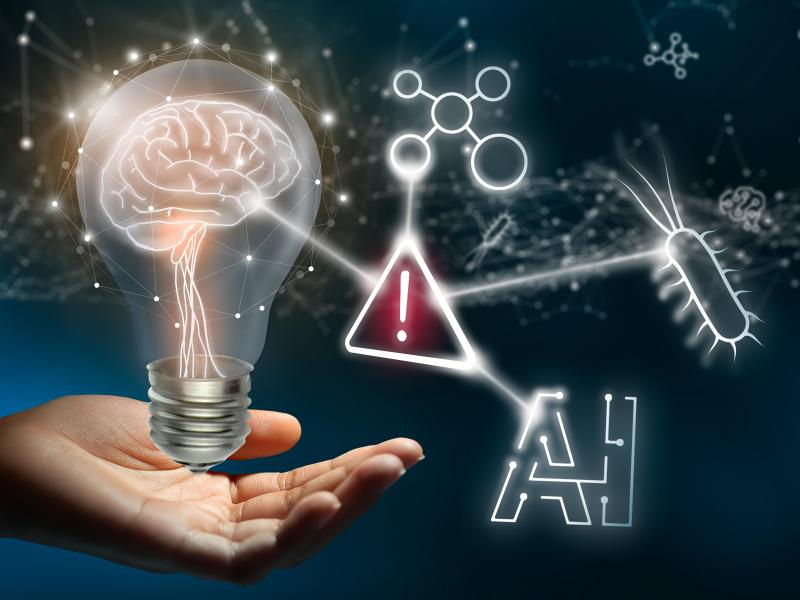
PNNL recently joined the Department of Homeland Security for two technical meetings exploring national security research spanning the threat realm, from chemical and biological attacks to adversarial artificial intelligence.
PNNL’s wide-ranging report maps the current nanobiotechnology landscape, flags potential concerns, and details the need for an organizing body to coordinate currently disparate disciplines.
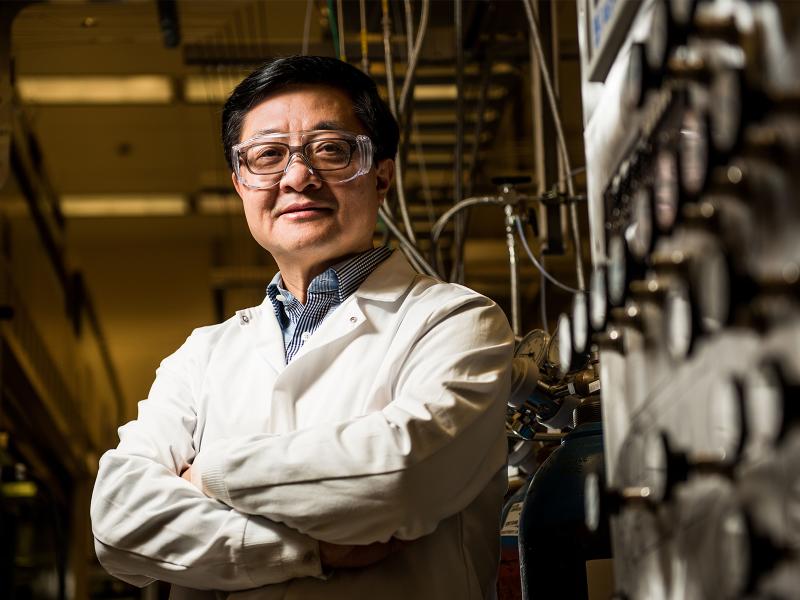
Chemical Engineer Yong Wang explains the influence and opportunity for joint appointments. Wang maintains one of the longest joint appointment tenures at PNNL.
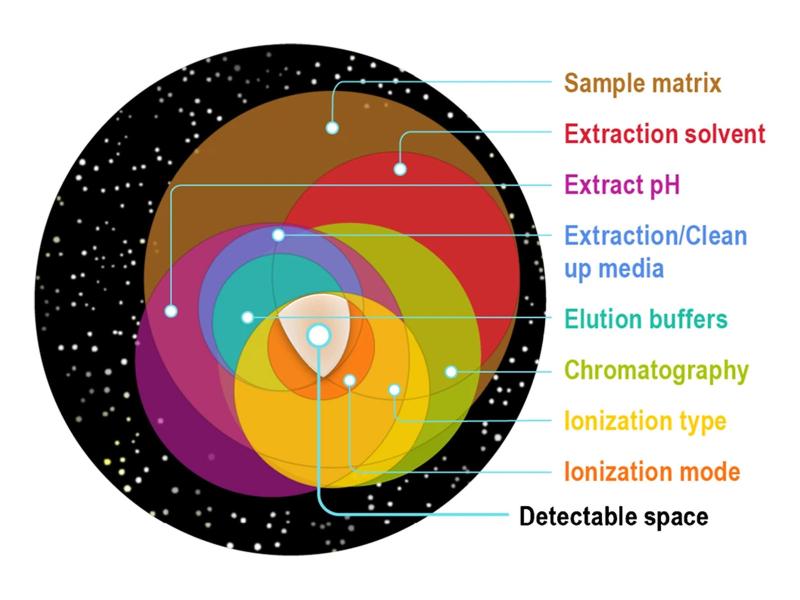
The ChemSpace Tool, when fully developed, is intended to divide chemical space into three subsets: the detectable space, the identifiable space, and the region that includes compounds that are not detectable or identifiable.
PNNL battery researcher Jie Xiao collaborates with academic and industry partners to address scientific challenges in manufacturing lithium-based batteries.