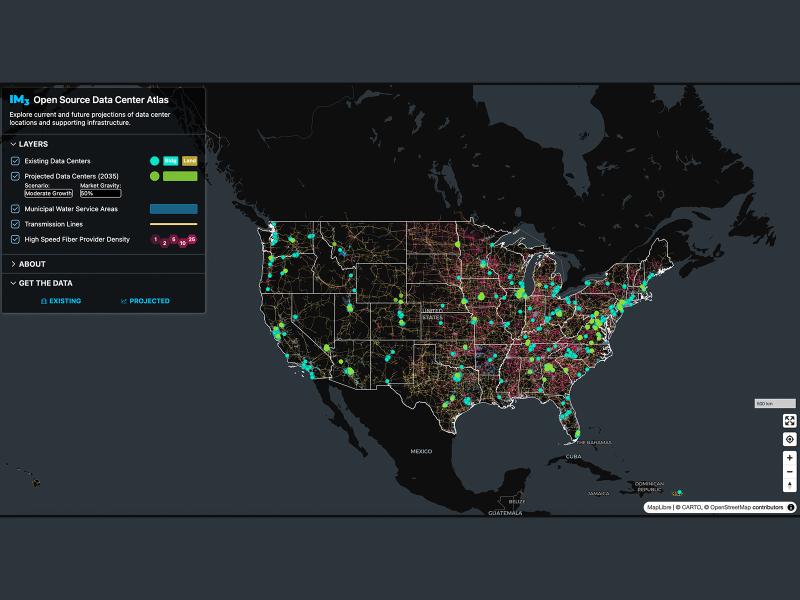
Now, anyone can easily explore and access data from a nationwide map of data centers, the infrastructure that powers them, and projections of future data center locations.
Researchers at PNNL share a research- and practitioner-informed approach to assess the threat landscape, elicit and integrate feedback into solutions, and ultimately share outcomes with the emergency response and public safety community.
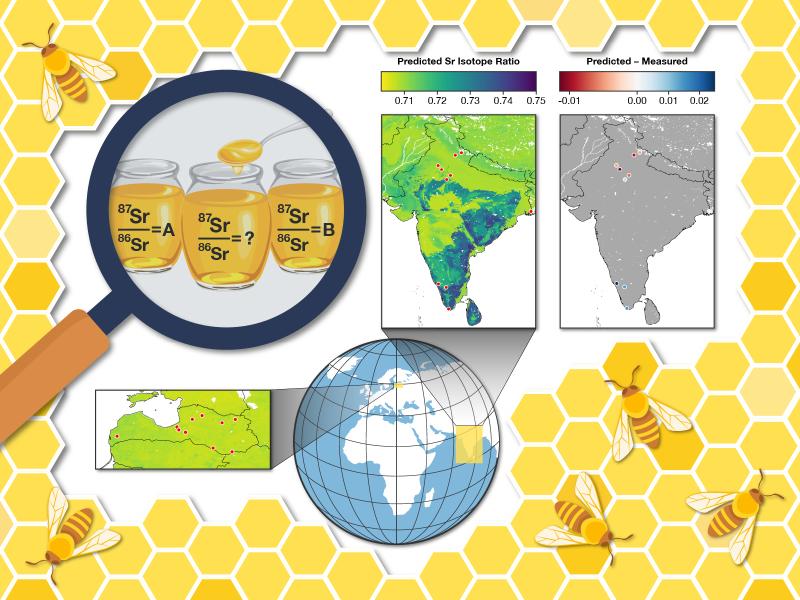
A study by researchers at PNNL assessed the feasibility of using strontium isotope ratios and an existing machine learning–based model to predict and verify a product’s source—in this case, honey.
Two new publications provide emergency response agencies with critical insights into commercially available unmanned ground vehicles used for hazardous materials response.
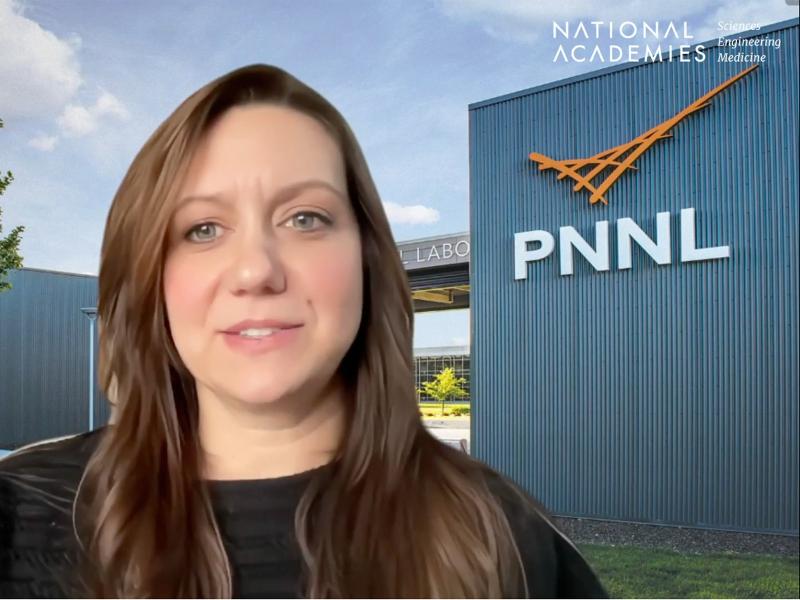
Lauren Charles, a chief data scientist at PNNL, showcased the vital research coming out of her program at The National Academies Forum workshop in Washington, D.C., January 15–16, 2025.
A team from PNNL contributed several articles to the Domestic Preparedness Journal showcasing recent efforts to explore the emergency management and artificial intelligence research and development landscape.
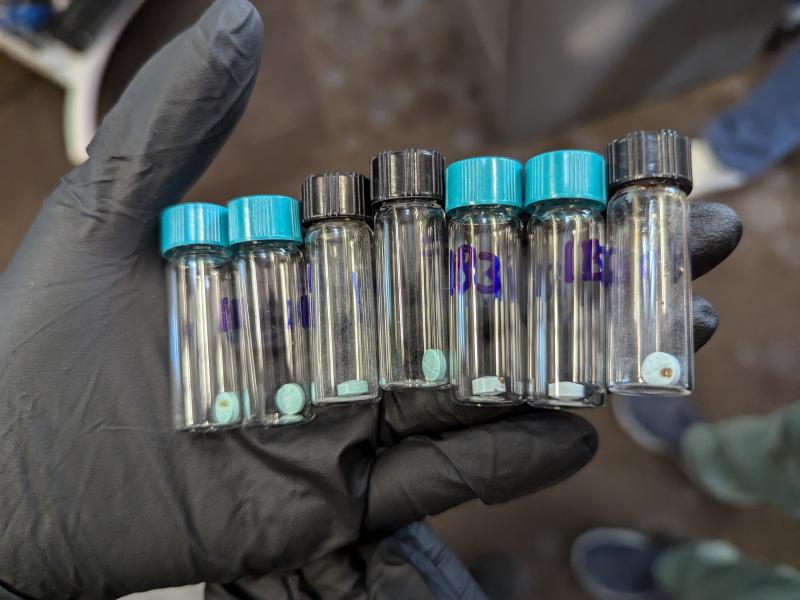
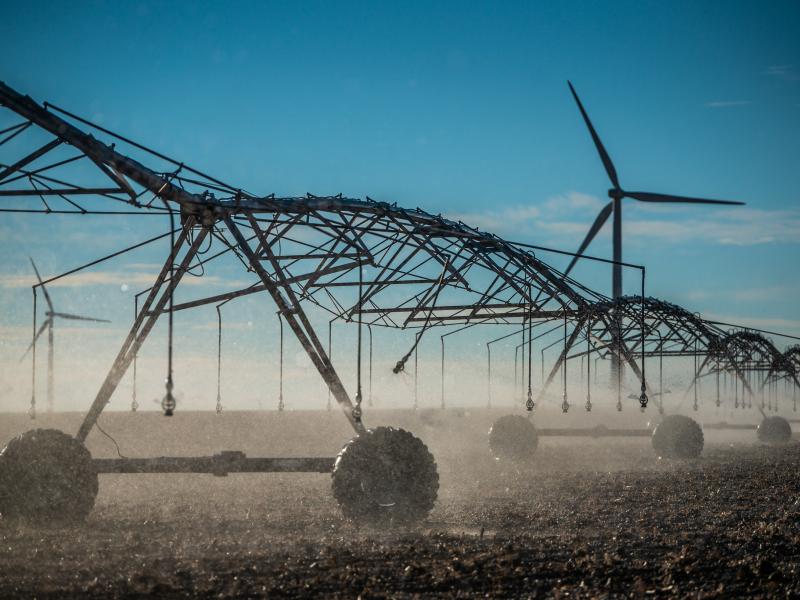
PNNL’s year in review includes highlights ranging from advancing soil science to understanding Earth systems, expanding electricity transmission, detecting fentanyl, and applying artificial intelligence to aid scientific discovery.
New datasets delineating global urban land support scientific research, application, and policy, but they can produce different results when applied to the same problem making it difficult for researchers to decide which to use.
The demand for energy is growing—and so is the technology supporting it. However, future development of power generation technologies could be affected by a key factor: material supply.
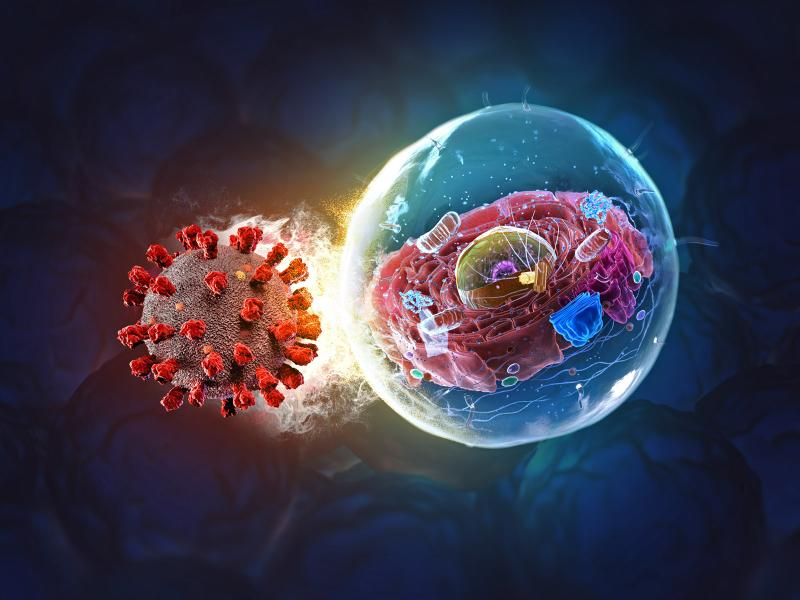
PNNL biodefense experts seek to identify, understand and mitigate the risks of biological pathogens—whether naturally occurring or intentionally created—so steps can be taken to prepare and respond.