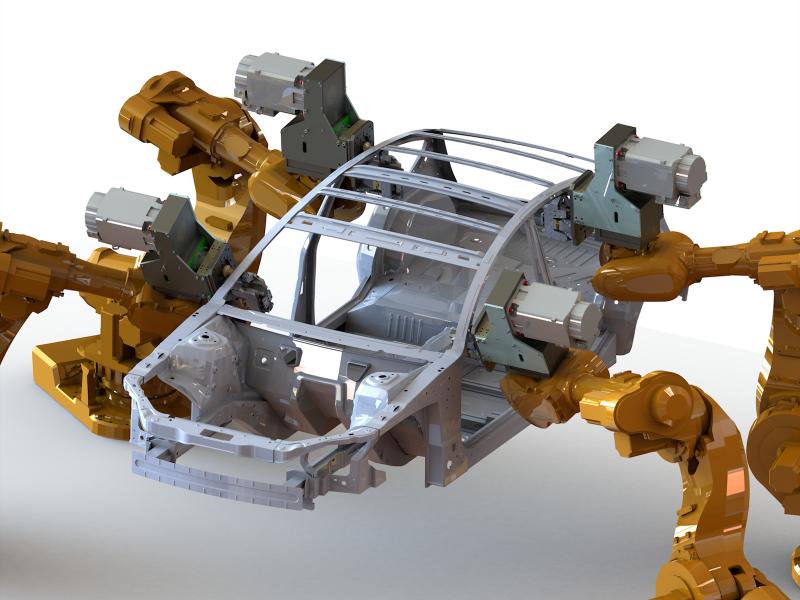
A breakthrough at PNNL could free friction stir from current constraints—and open the door for increased use of the advanced manufacturing technique on commercial assembly lines.
PNNL's ASSORT model will help airports balance passenger screening and security risks with throughput. It also quantifies risks for different traveler types and optimizes checkpoint operations, improving efficiency while enhancing safety.
By combining computational modeling with experimental research, scientists identified a promising composition that reduces the need for a critical material in an alloy that can withstand extreme environments.
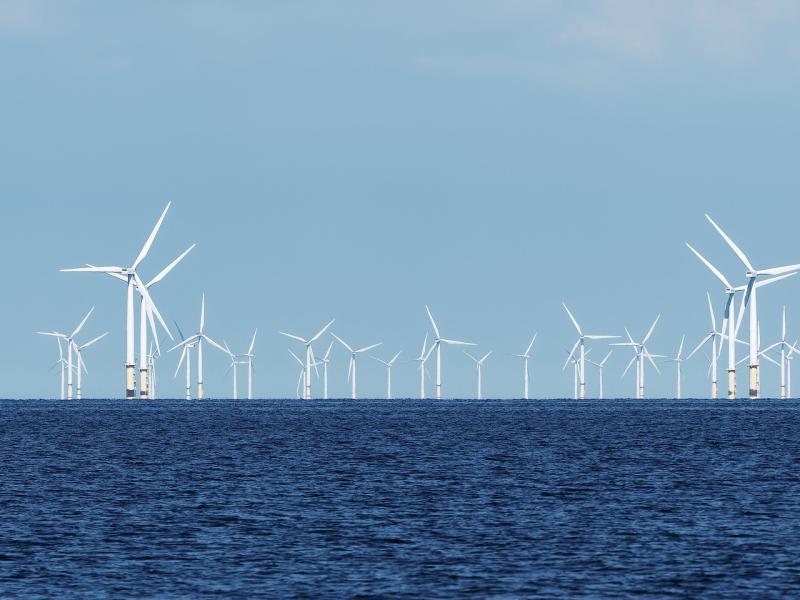
A new analysis shows how renewable energy sources like solar, wind and hydropower respond to climate patterns, and how utilities can use this data to save money and invest in energy storage.
PNNL researchers have developed a new, physics-informed machine learning model that accurately predicts how heat accumulates and dissipates during friction stir processing.
Three PNNL-supported projects are at the forefront of developing advanced data analytics technologies to enhance the U.S. power grid’s reliability, resilience, and affordability.
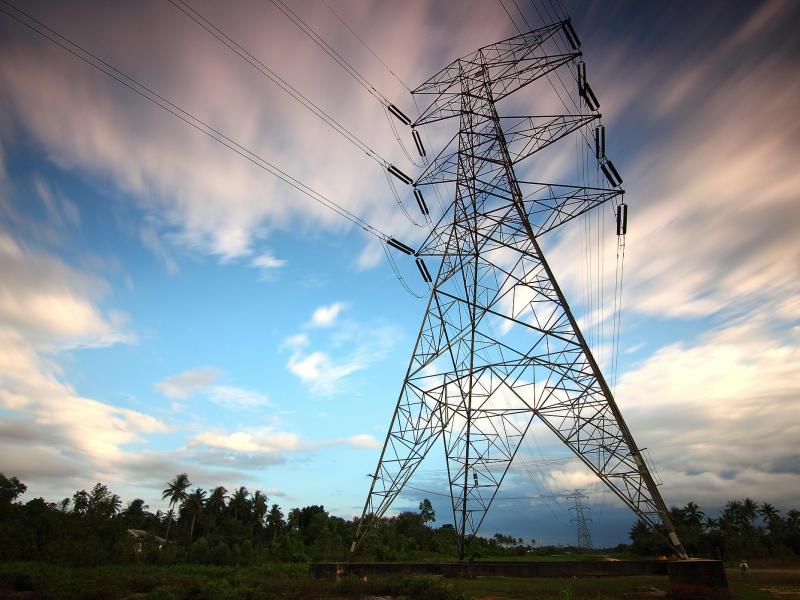
The National Transmission Planning Study presents several transmission expansion scenarios that would reliably support the growing demand for energy across the nation.
At the 2024 Aviation Futures Workshop, researchers from PNNL joined other subject matter experts and representatives from the stakeholder community in reimagining the passenger experience.
The Grid Storage Launchpad dedication event was attended by leaders in grid and transportation energy storage, battery innovation, and industry stakeholders working to transform America’s energy system.
Erich Hsieh, Deputy Assistant Secretary for OE’s Energy Storage Division, shared insights about the Grid Storage Launchpad and energy storage innovations .