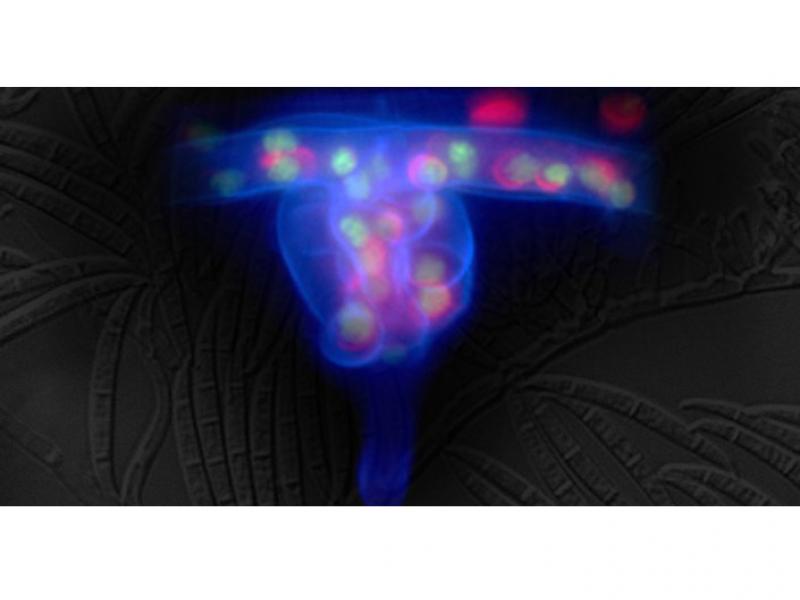
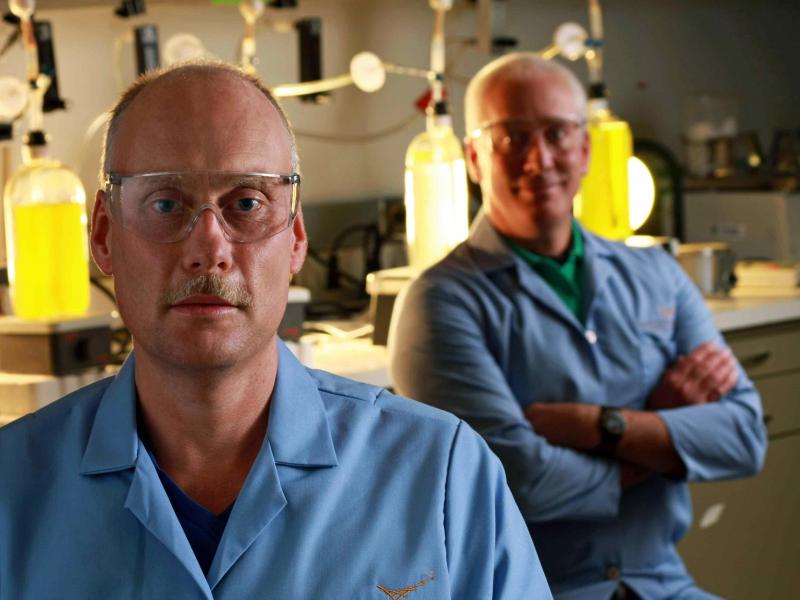
Scientists are taking their cues from fungi in the digestive tracts of cows, goats and sheep in the search for new ways to create sustainable fuels and medicines.
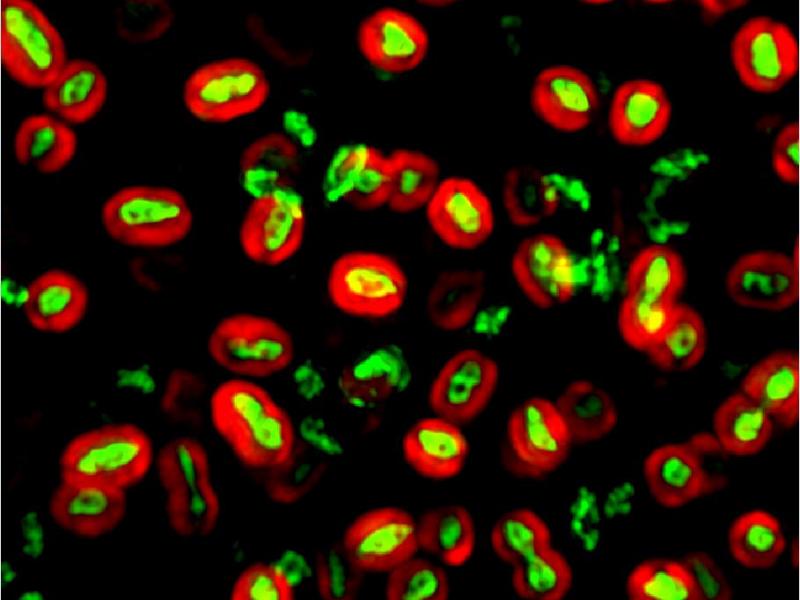
A genetic modification in fungi is more common than has been thought, offering scientists a new tool as they explore the use of fungi to convert biomass to fuels, chemicals and enzymes.
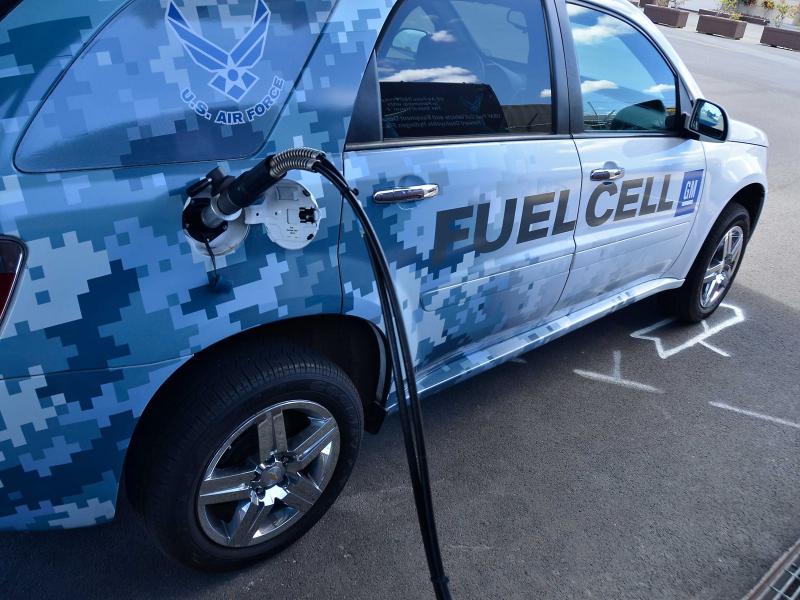
80 years after the Hindenburg disaster, it still influences perceptions about the use of hydrogen as a vehicle fuel, but hydrogen, like gasoline, can be handled and used safely.
PNNL is world-renowned for its expertise in glass formulation and processing — knowledge that is instrumental to the work done in partnership with the DOE Office of River Protection to develop the vitrification process.
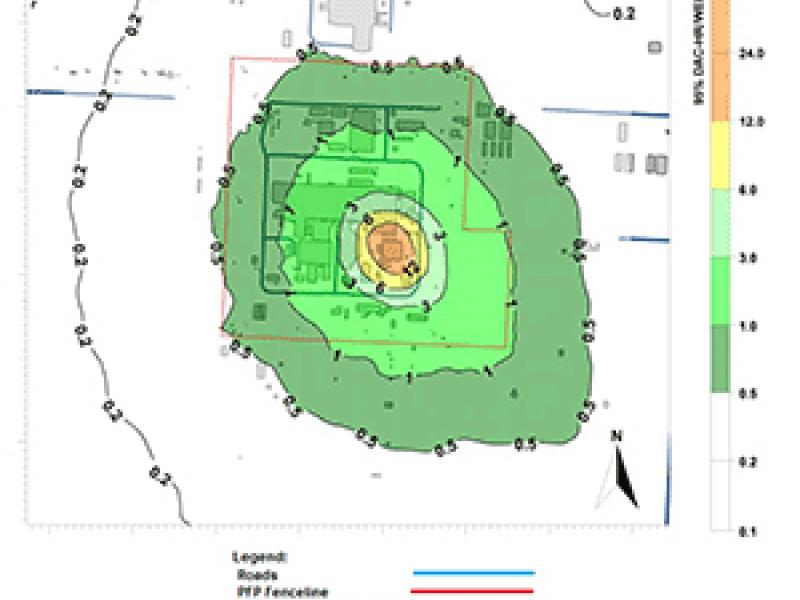
April 26 marks the 31st anniversary of the explosion at the Chernobyl Nuclear Power Plant's Unit 4 reactor. Battelle researchers at PNNL were involved in an international consortium to look at long-term safety and containment of Unit 4. T
PNNL research has created a unique video that shows oxygen bubbles inflating and later deflating inside a tiny lithium-air battery. The knowledge gained from the video could help make lithium-air batteries that are more compact, stable and
PNNL is collaborating with three small businesses to address technical challenges concerning hydrogen for fuel cell cars, bio-coal and nanomaterial manufacturing.
PNNL scientists have developed a system to convert methane into an energy-rich substance that can be used as the basis for biofuels and even feed for cows that create the gas in the first place.
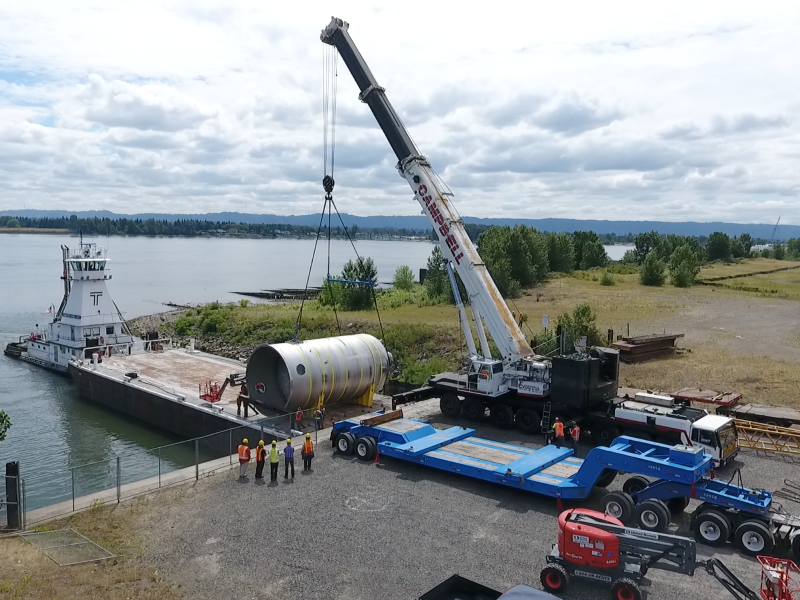
Cleaning up Hanford is no easy task: it is one of the world's largest and most complex environmental remediation projects. The nation's top engineering firms are on the job and the Department of Energy's PNNL is helping.
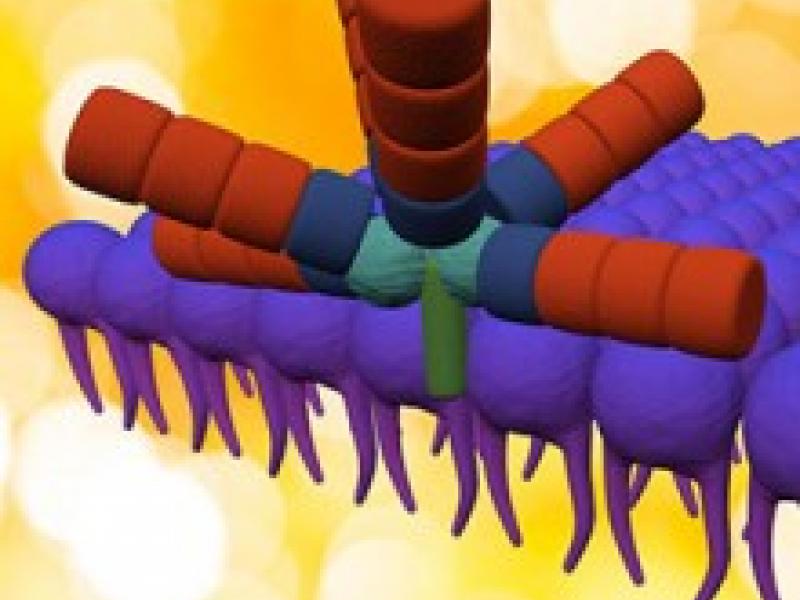
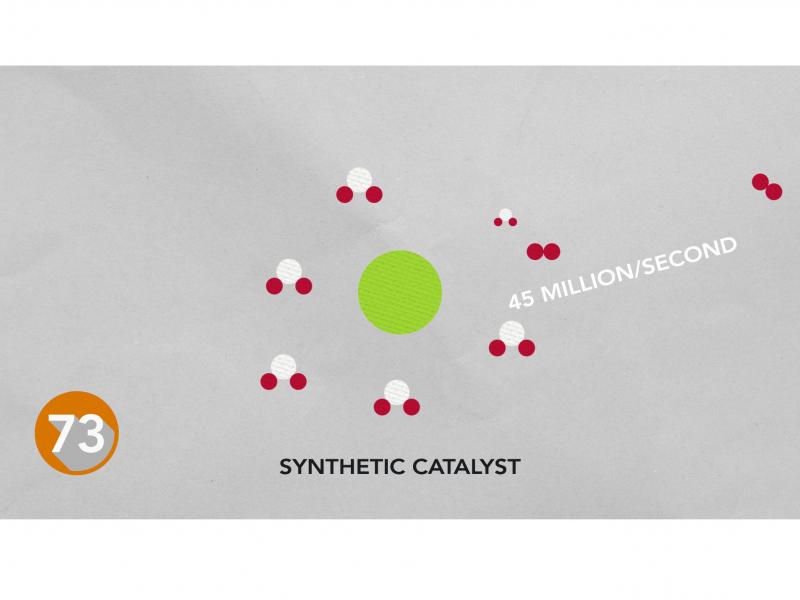
Using a natural catalyst from bacteria for inspiration, researchers have now reported the fastest synthetic catalysts to date for hydrogen production-- producing 45 million hydrogen molecules per second.
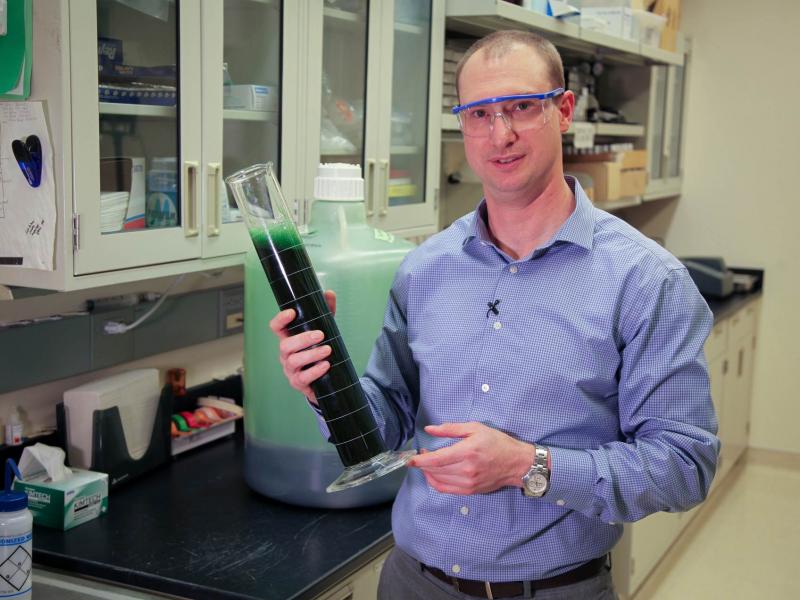
PNNL is leading a new, approximately $6 million project to develop a new streamlined process to quickly pare down heaps of algae species into just a few that hold the most promise for making biofuel.