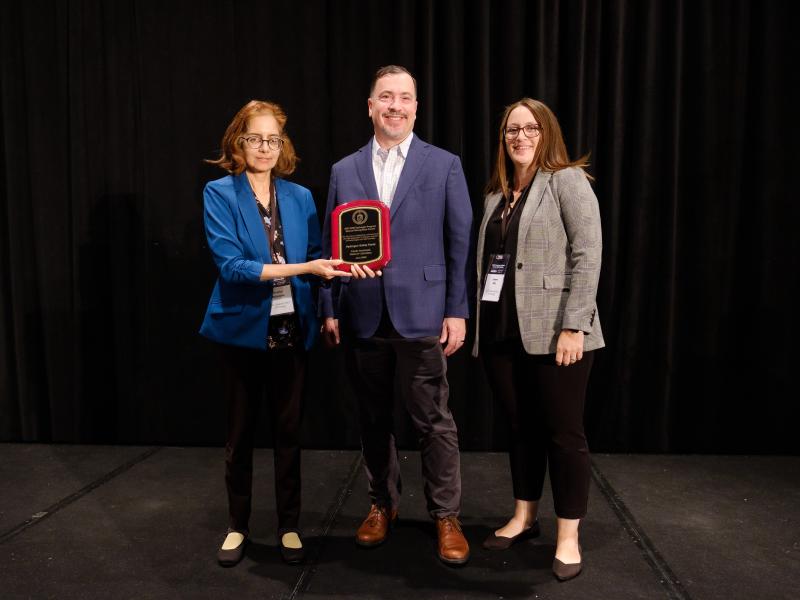
From developing new energy storage materials to revealing patterns of Earth’s complex systems, studies led by PNNL researchers are recognized for their innovation and influence.
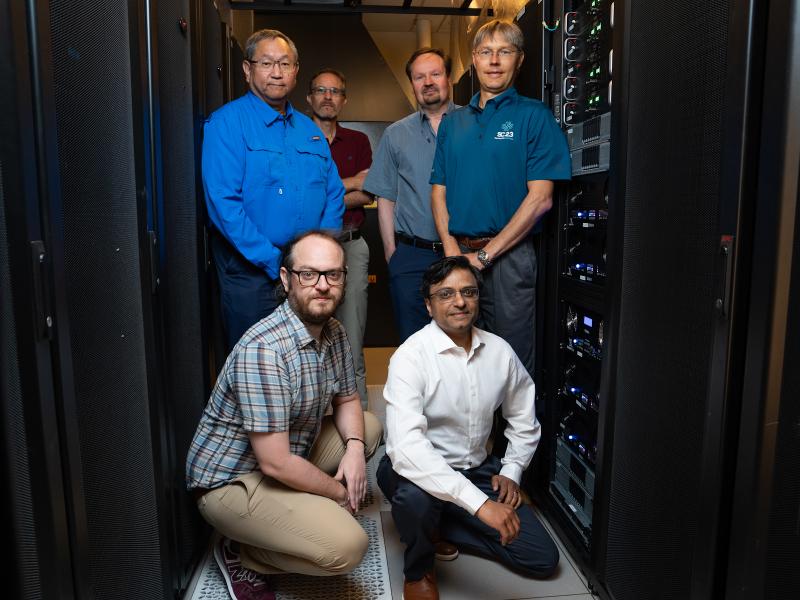
The Center for Continuum Computing at PNNL aims to integrate cloud platforms, high-performance computing, and edge devices into a seamless ecosystem that accelerates scientific discovery.
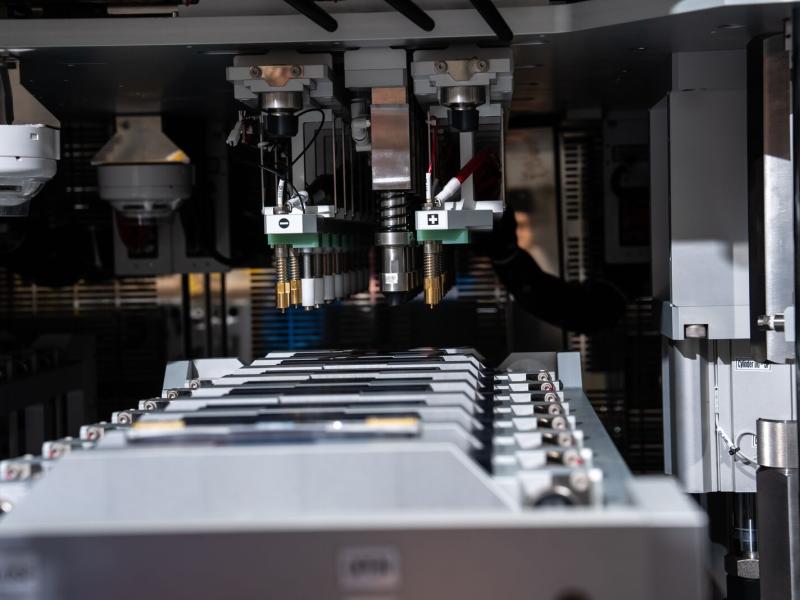
Ampcera has an exclusive licensing agreement with PNNL to commercially develop and license a new battery material for applications such as vehicles and personal electronics.
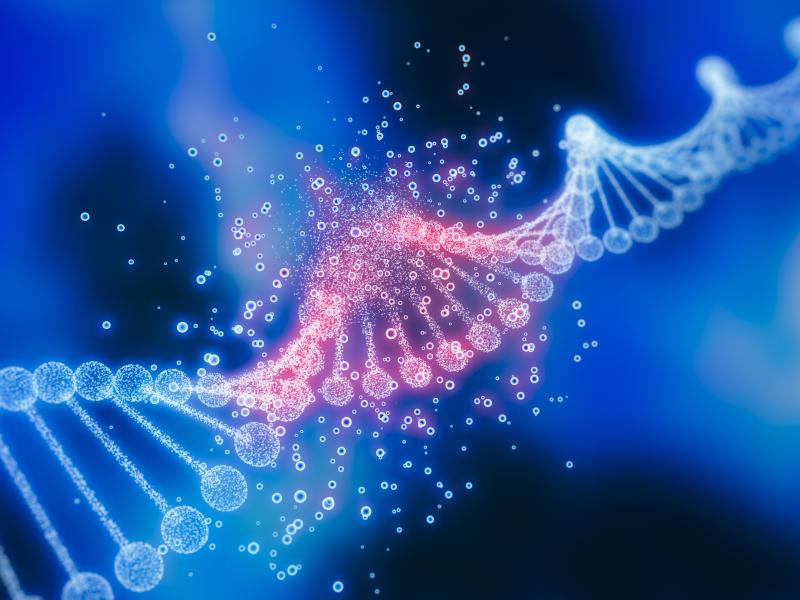
Researchers at PNNL are pursuing new approaches to understand, predict and control the phenome—the collection of biological traits within an organism shaped by its genes and interactions with the environment.
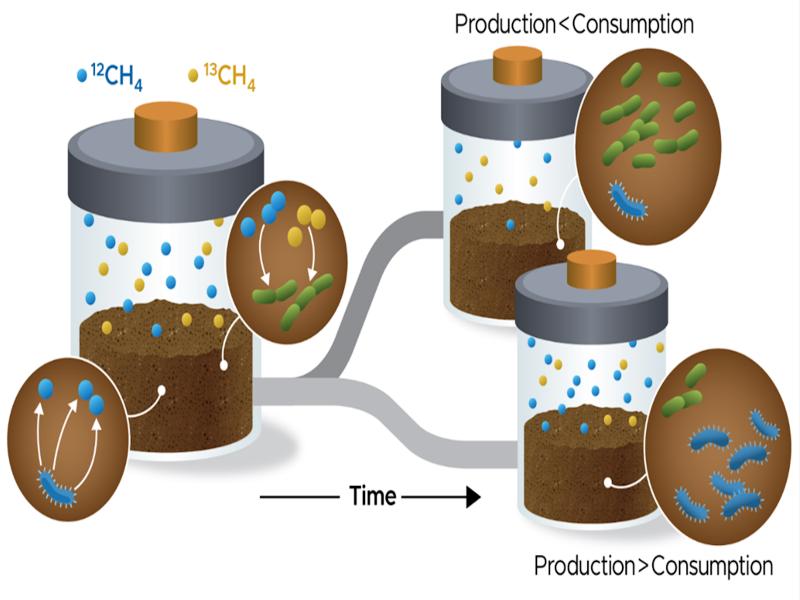
In soil, microbes produce and consume methane. Using a technique called pool dilution, researchers can separate the rate of methane production and consumption from the net rate.
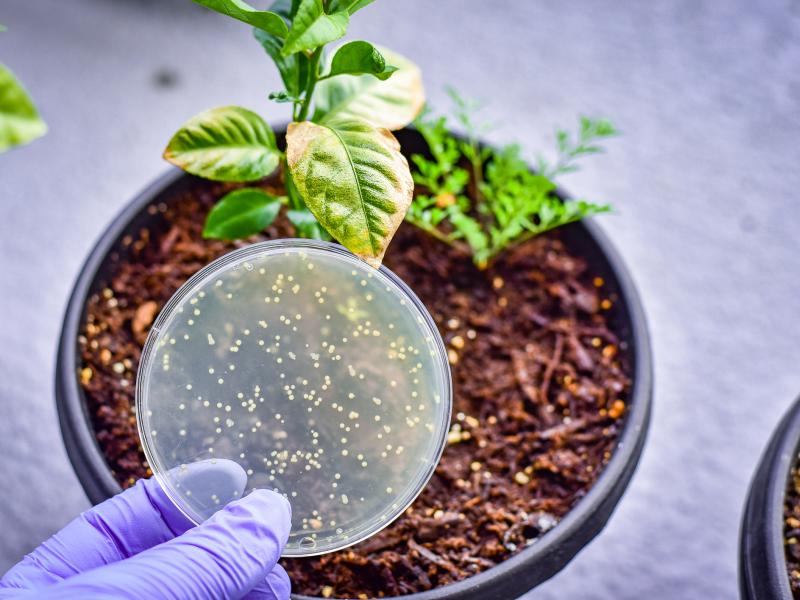
Scientists at PNNL have published a new article that focuses on understanding the composition, dynamics, and deployment of beneficial soil microbiomes to get the most out of soil.
A team of researchers from PNNL provided technical knowledge and support to test a suite of techniques that detect genetically modified bacteria, viruses, and cells.
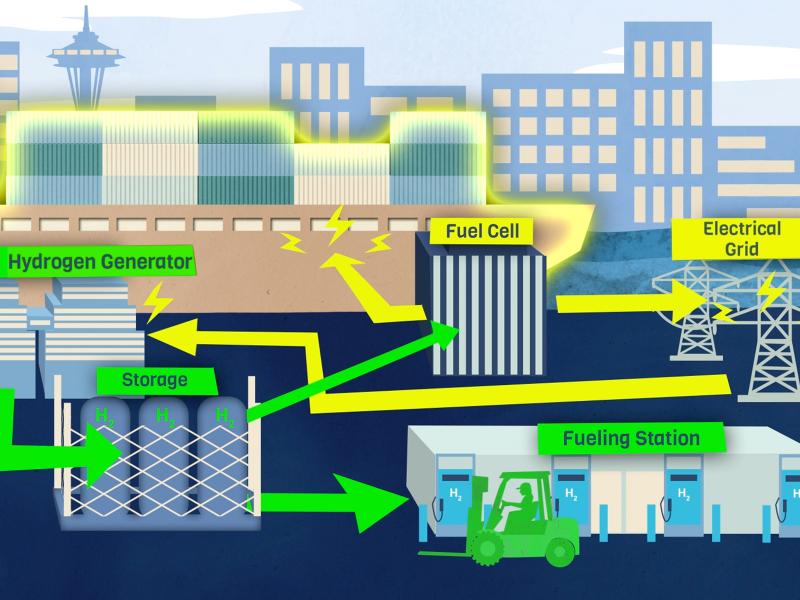
Clean hydrogen energy infrastructure is coming to the Pacific Northwest with a newly announced hydrogen hub, and PNNL experts are advising the work to come.