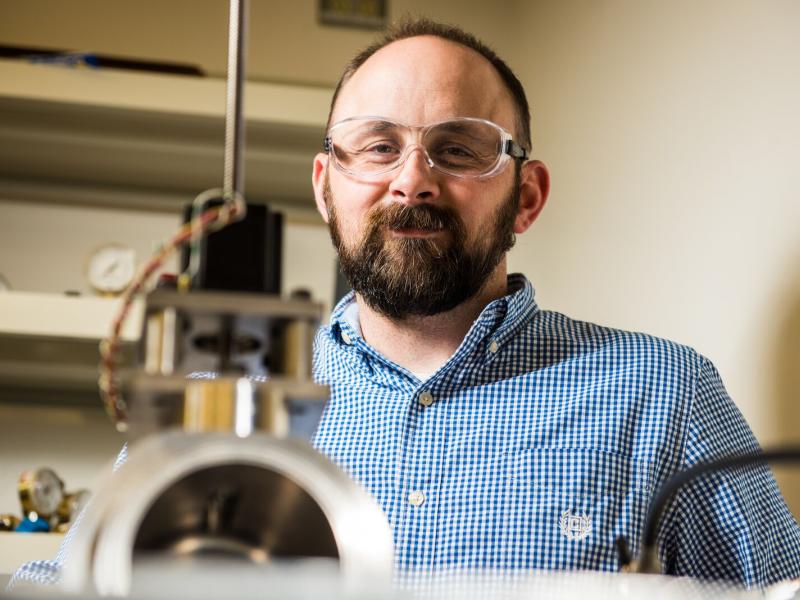
PNNL’s Matt Paiss heads NFPA 800, shaping a unified battery safety code for hazards from production to disposal with the aim of safeguarding communities and guiding safe practices worldwide.
PNNL researchers are exploring the kinds of flicker waveforms that the eye and brain can detect, seeking to understand the different visual and non-visual effects that result.
The Grid Storage Launchpad dedication event was attended by leaders in grid and transportation energy storage, battery innovation, and industry stakeholders working to transform America’s energy system.
Erich Hsieh, Deputy Assistant Secretary for OE’s Energy Storage Division, shared insights about the Grid Storage Launchpad and energy storage innovations .
To improve our ability to “see” into the subsurface, scientists need to understand how different mineral surfaces respond to electrical signals at the molecular scale.
Frederick Day-Lewis, Lab Fellow and chief geophysicist at PNNL, was named the 2024 recipient of the Geological Society of America Public Service Award.
Policy changes in power, energy, buildings, and more could help slow global temperature rise, according to a new report with co-authors from PNNL’s Joint Global Change Research Institute.
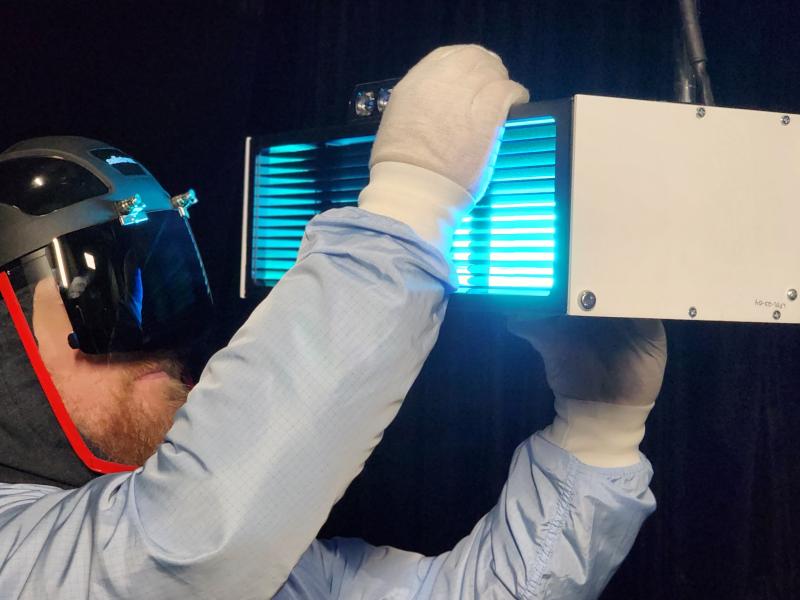
GUV can reduce transmission of airborne disease while reducing energy use and carbon emissions. But fulfilling that promise depends on having accurate and verifiable performance data.
Mandy Mahoney, director of the DOE Building Technologies Office, visited PNNL in late November. One key agenda item involved meeting with staff for a discussion of effective equity and justice integration in buildings-related research.
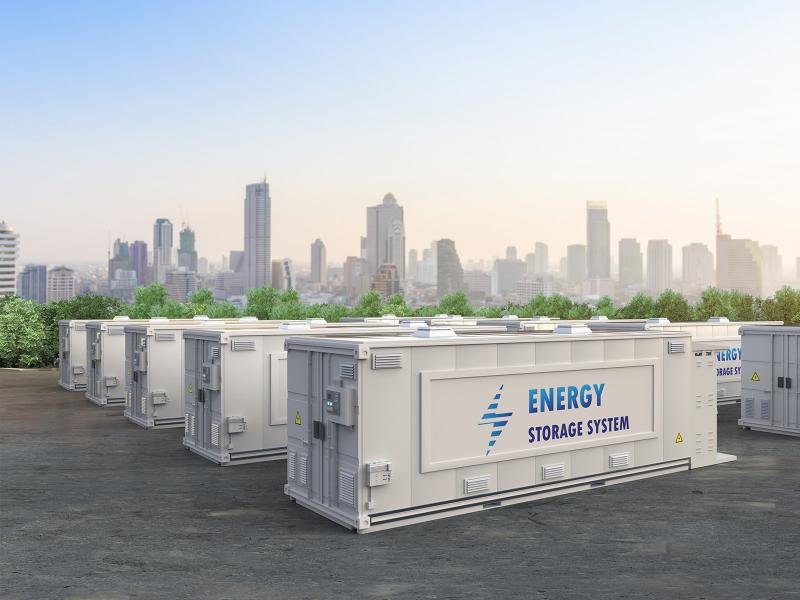
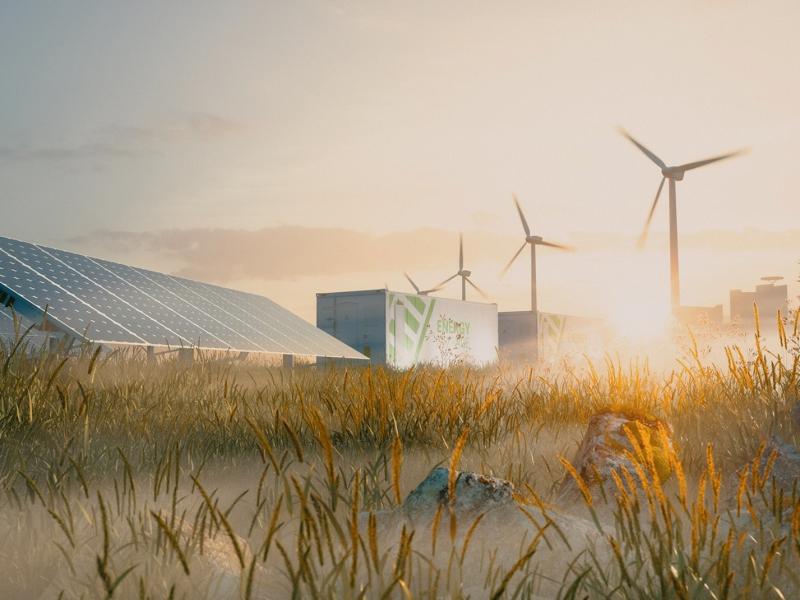
Battery energy storage systems are being proposed in municipalities across the U.S. PNNL researchers can help community planners guide safe siting and operations.
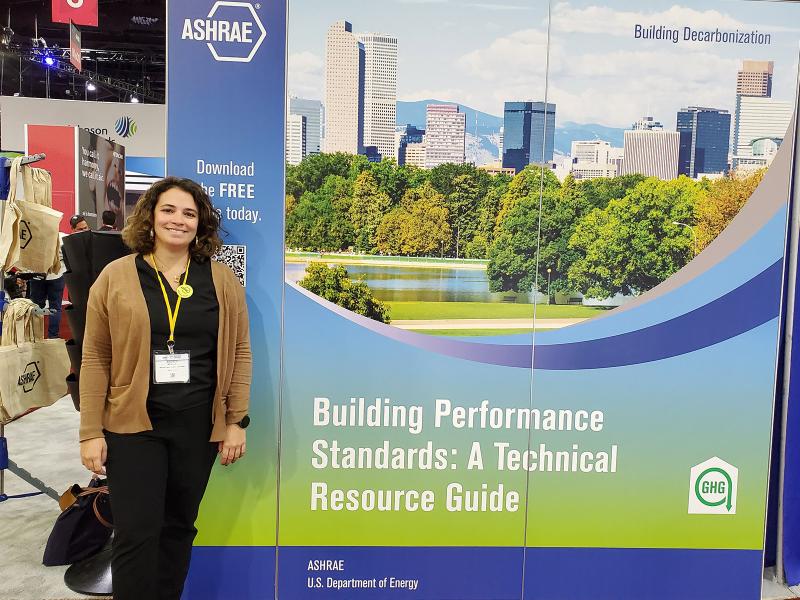
PNNL’s Andrea Mengual co-chaired a working group that produced Building Performance Standards: A Technical Resource Guide. PNNL’s Kim Cheslak, Bing Liu, and Jian Zhang contributed to the effort.
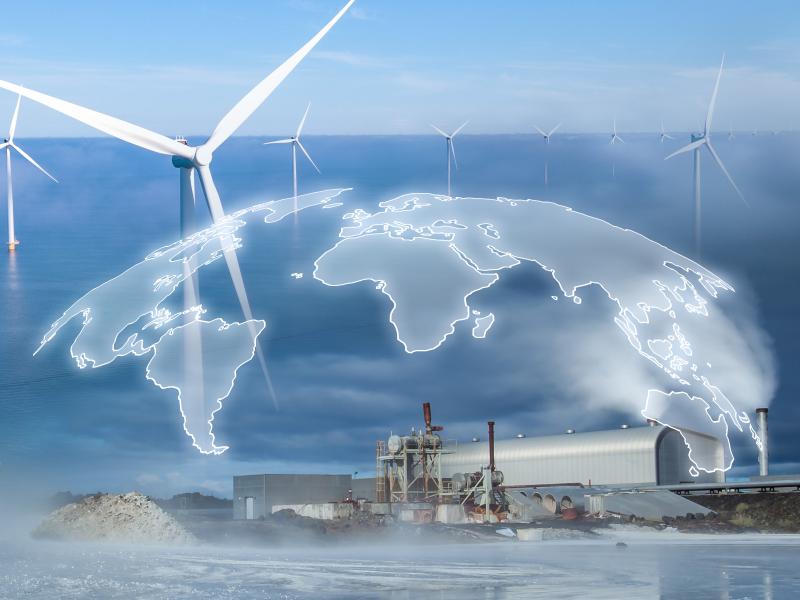
Two renewable energy approaches—enhanced geothermal systems and floating offshore wind energy—get new focus as Energy Earthshot™ Research Centers at PNNL.
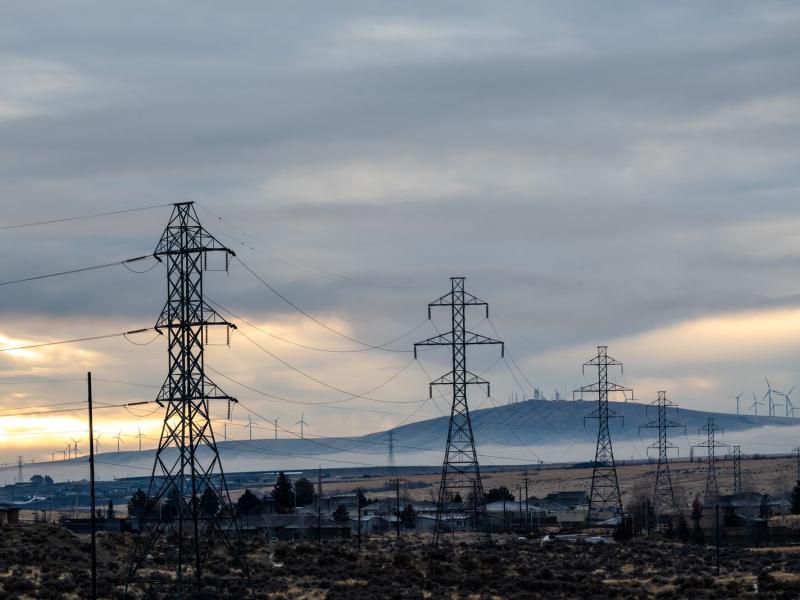
Findings in a new PNNL report show long-duration energy storage will be a necessity in decarbonizing the grid and recommends the planning and procurement process to identify those needs start immediately.
A new policy database containing energy equity-related actions could serve as a useful starting point for state policymakers and stakeholders who want to enact similar energy equity measures or adapt policies to their local circumstances.