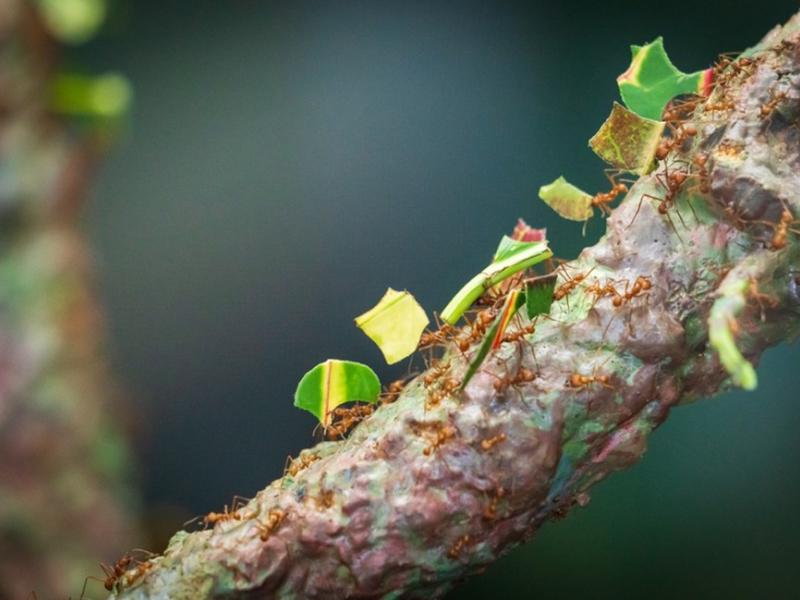
PNNL scientists developed a new method to map exactly how a fungus works with leafcutter ants in a complex microbial community to degrade plant material at the molecular level. The team’s insights are important for biofuels development.
Brett Jefferson, data scientist, was recently recognized for his determination and success in his research space with an Early Career Award from Indiana University Bloomington in the Psychological and Brain Sciences Department.
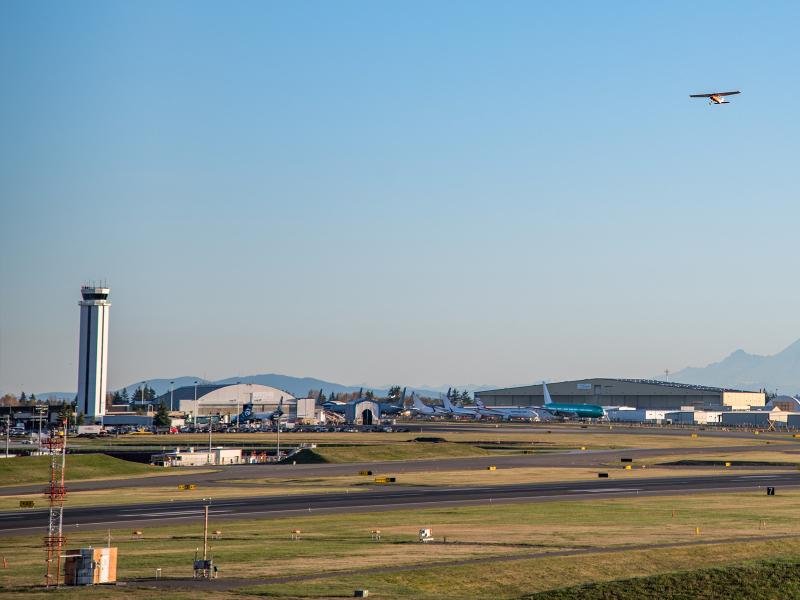
An initiative from Washington State University and Snohomish County leaders is aiming to make Paine Field a nexus for testing and improving sustainable aviation fuels made from non-petroleum materials.
PNNL has created the Center for AI @PNNL to coordinate the pioneering research of hundreds of scientists working on a range of projects in artificial intelligence.
The use of disciplines in pure mathematics can increase the reliability and explainability of machine learning models that “transcend human intuition,” according to PNNL scientists.
A new discovery by PNNL researchers has illuminated a previously unknown key mechanism that could inform the development of new, more effective catalysts for abating NOx emissions from combustion-engines burning diesel or low carbon fuel.
Scientists at PNNL were awarded nearly $12 million to better understand pathogens, how they spread, and how to prepare the nation against future outbreaks.
Corinne Fuller has been named the new co-director of the Bioproducts Institute, a research collaboration between Washington State University and PNNL, as of July 2023.
Brown University Applied Mathematics and Engineering Professor George Karniadakis has driven solutions for science and engineering problems for over ten years with a joint appointment at PNNL.