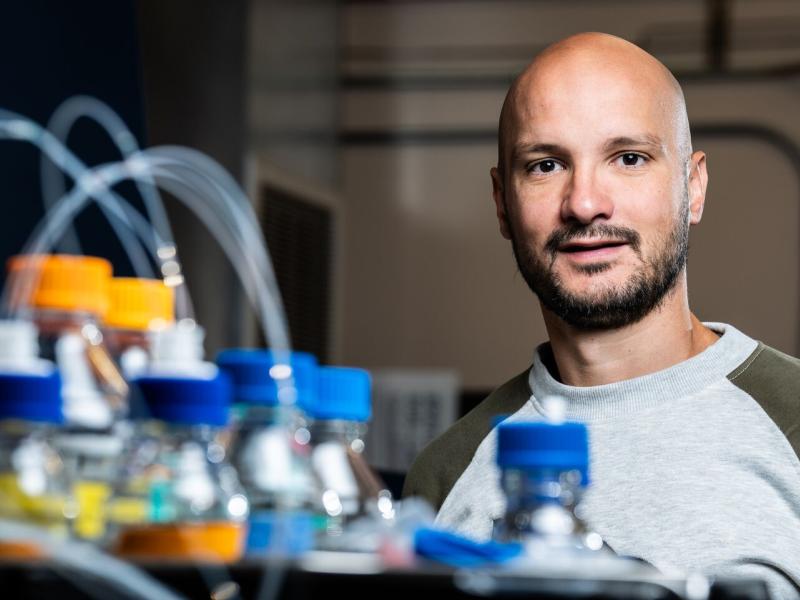
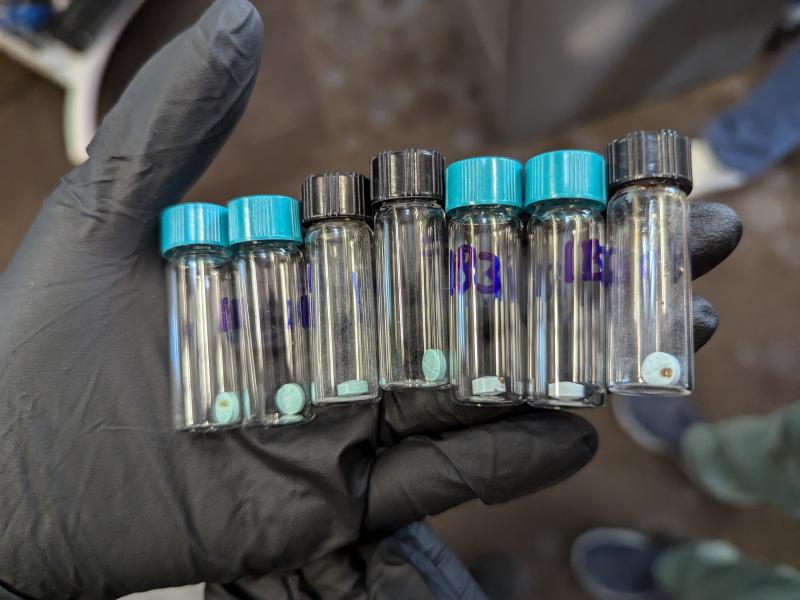
Dušan Veličković, a PNNL mass spectrometry imaging scientist received a $2.1 million grant to develop techniques to understand how changes in carbohydrate structure affect human health.
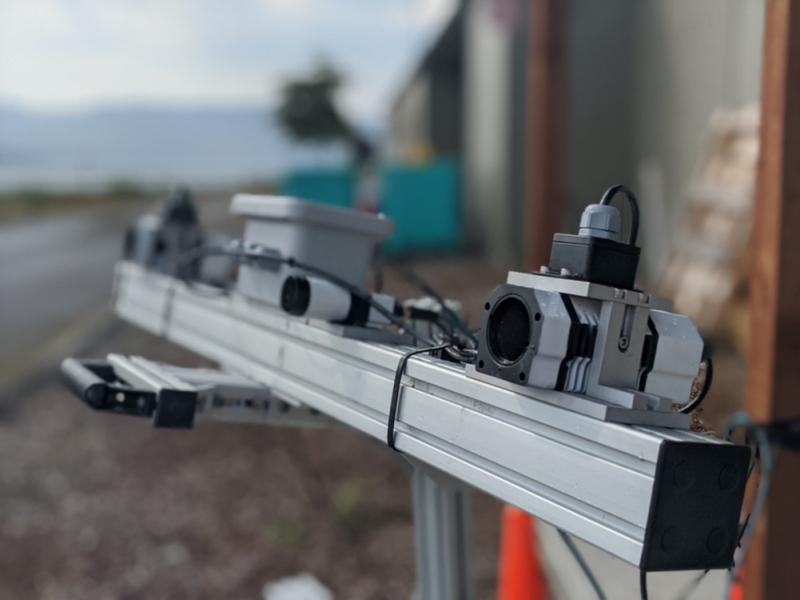
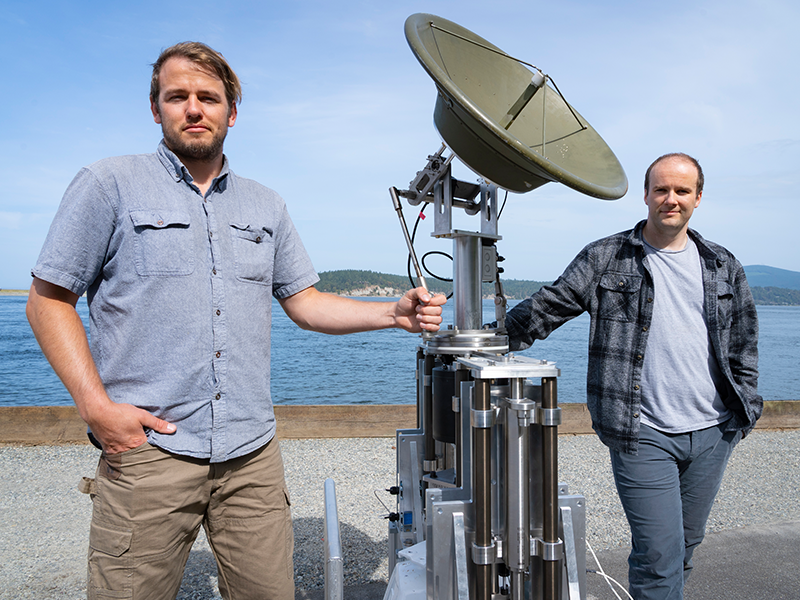
Engineers at PNNL devised a system that allows radar antennae to maintain stable orientation while mounted on platforms in open water that pitch and roll unpredictably. They were recently invited to participate in DOE's I-Corps program.
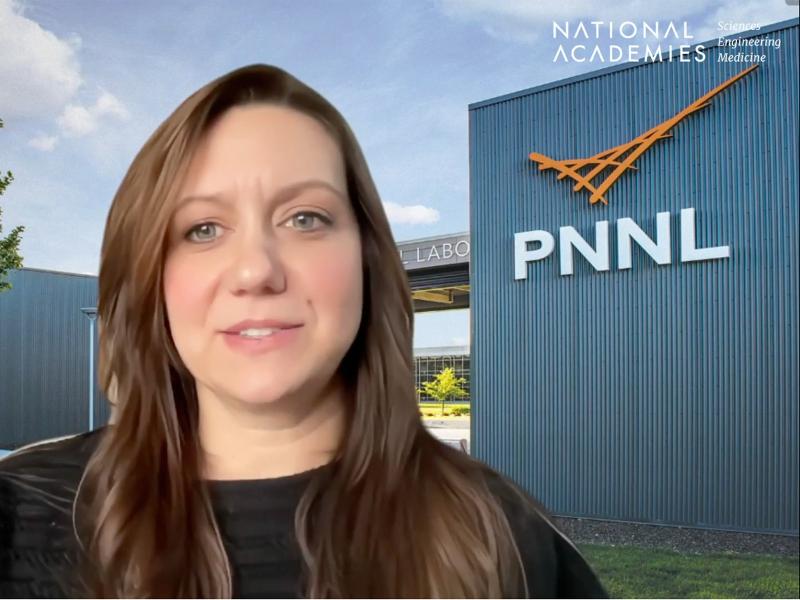
Lauren Charles, a chief data scientist at PNNL, showcased the vital research coming out of her program at The National Academies Forum workshop in Washington, D.C., January 15–16, 2025.
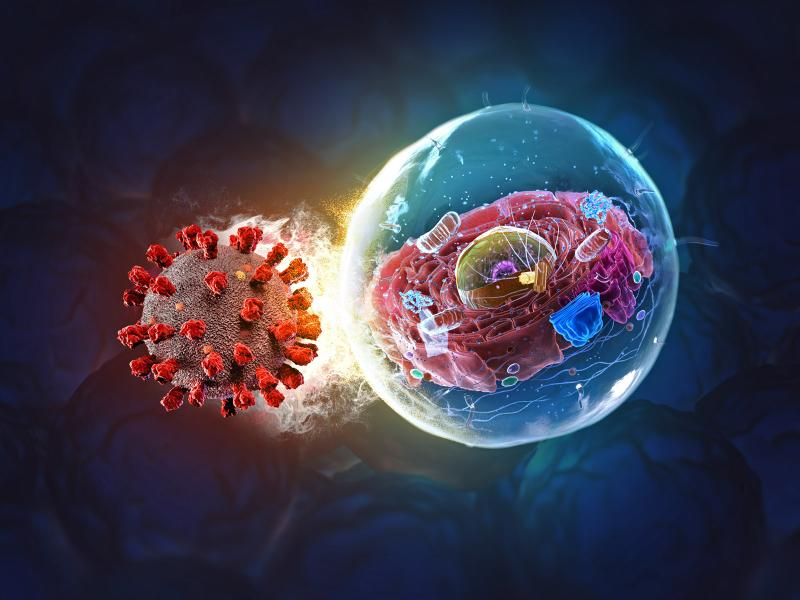
Over the next four years, PNNL and University of Arizona will develop open-source computational tools to better identify and characterize the viruses associated with the human microbiome.
Researchers developed a robust, cost-effective, and easy-to-use cap-based technique for spatial proteome mapping, addressing the lack of accessible proteomics technologies for studying tissue heterogeneity and microenvironments.
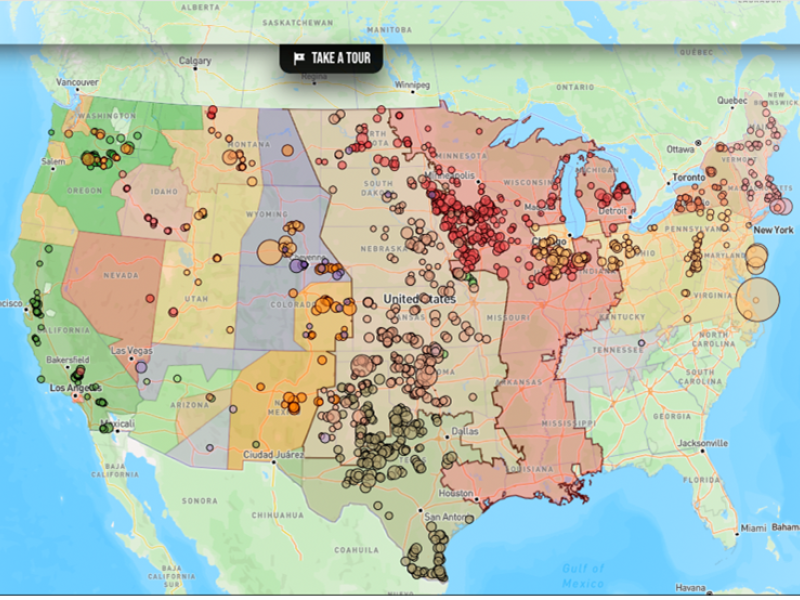
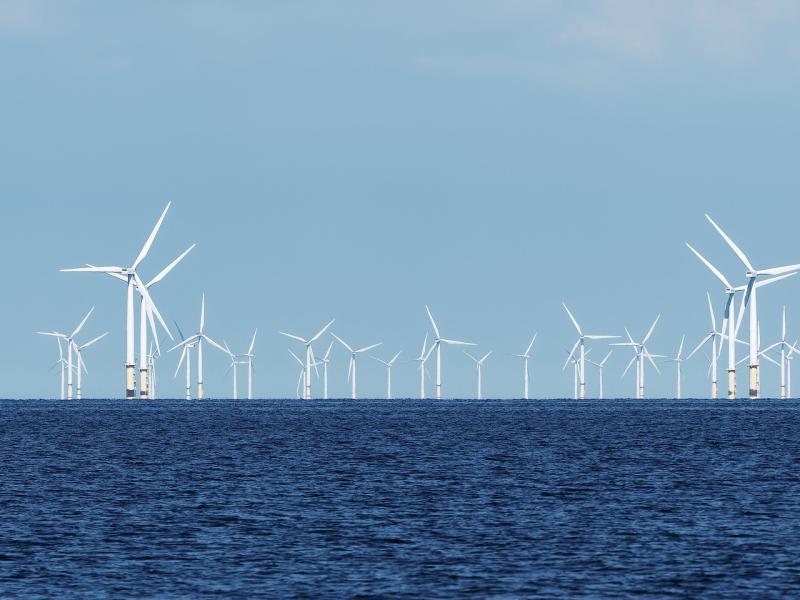
PNNL was well represented at the NAWEA/WindTech 2024 Conference with 13 PNNL experts at the conference sponsored by the North American Wind Energy Academy.
PNNL biodefense experts seek to identify, understand and mitigate the risks of biological pathogens—whether naturally occurring or intentionally created—so steps can be taken to prepare and respond.