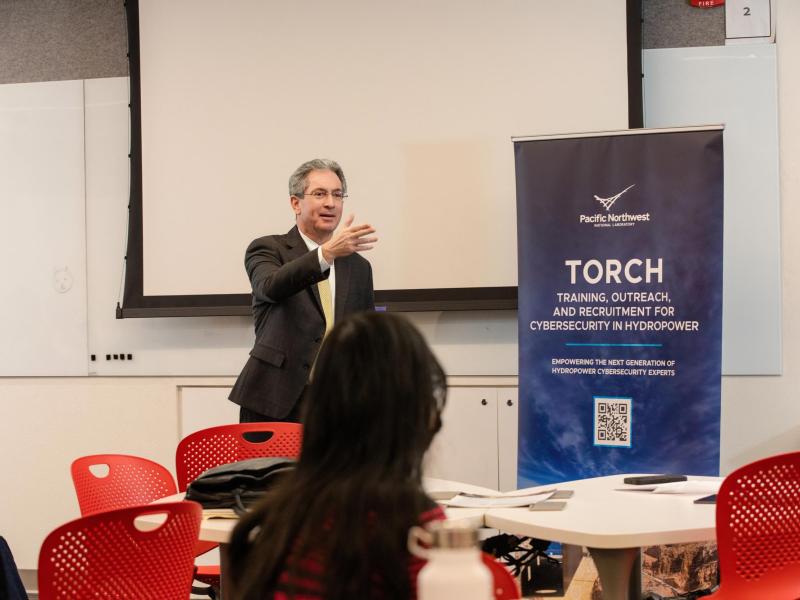
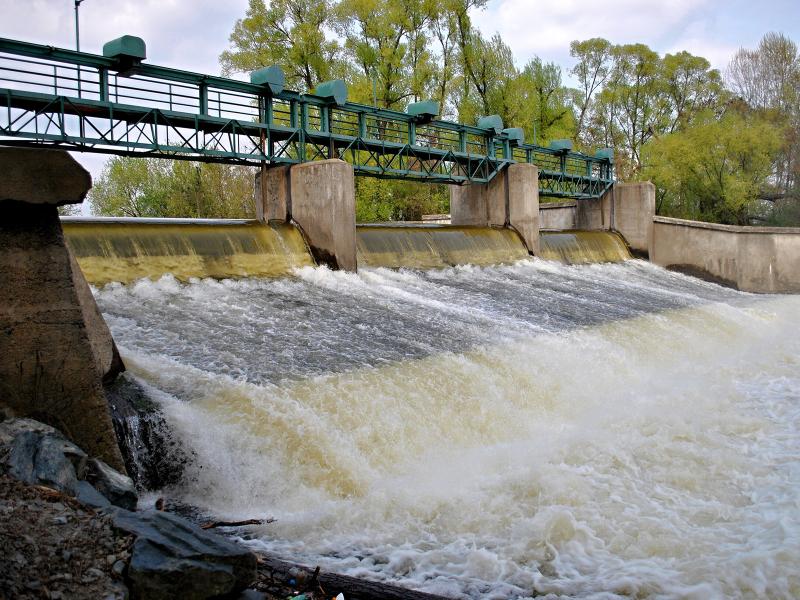
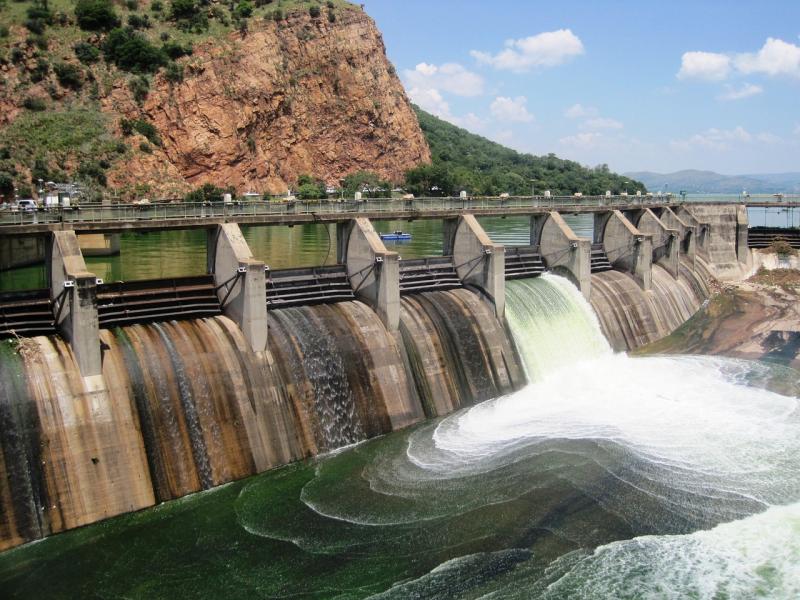
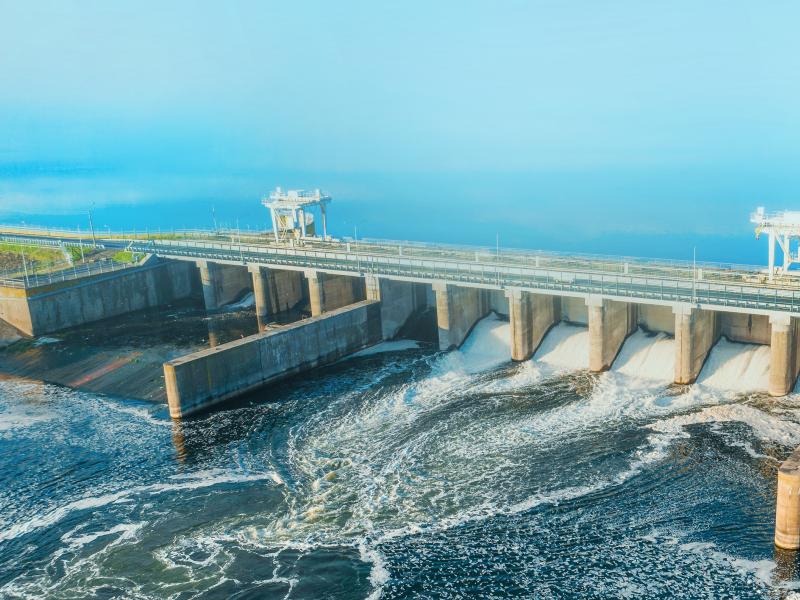
Pacific Northwest National Laboratory launches the Training Outreach and Recruitment for Cybersecurity Hydropower program at the University of Texas at El Paso.
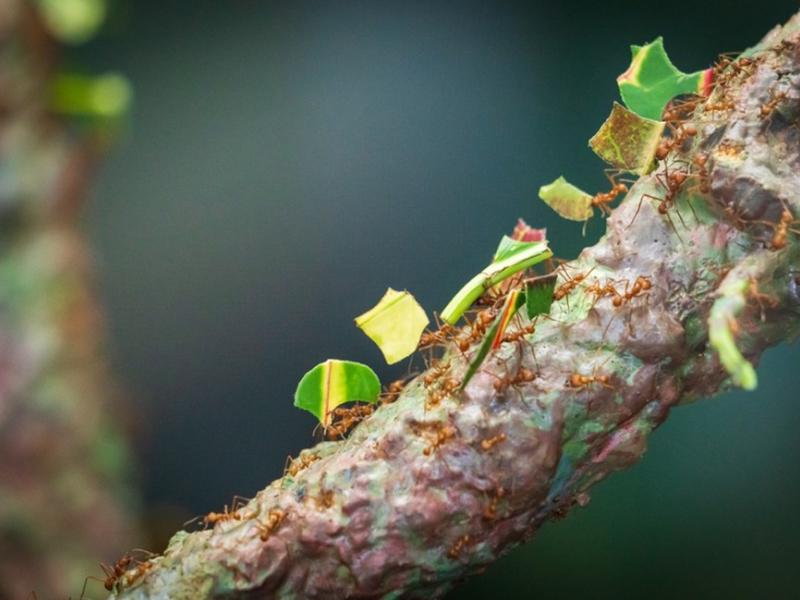
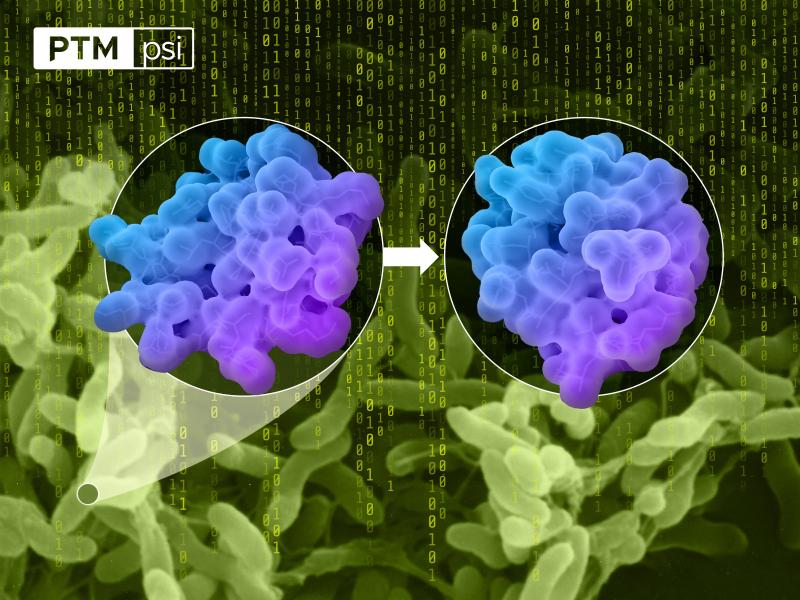
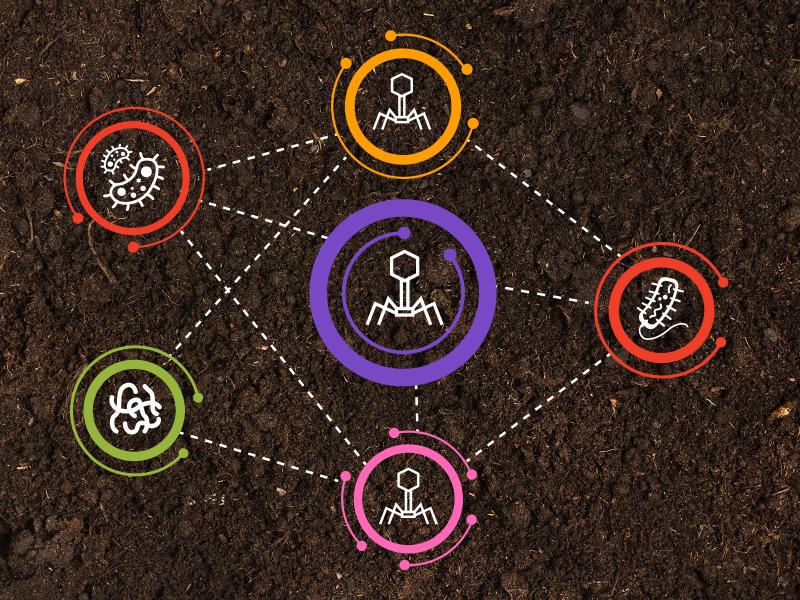
PNNL scientists developed a new method to map exactly how a fungus works with leafcutter ants in a complex microbial community to degrade plant material at the molecular level. The team’s insights are important for biofuels development.
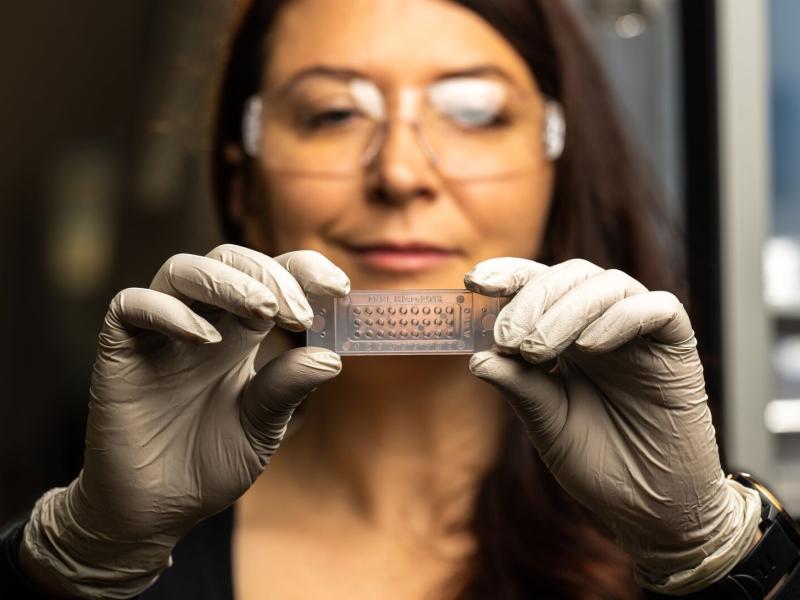
Spatial proteomics enables researchers to link protein measurements to features in the image of a tissue sample, which are lost using standard approaches.
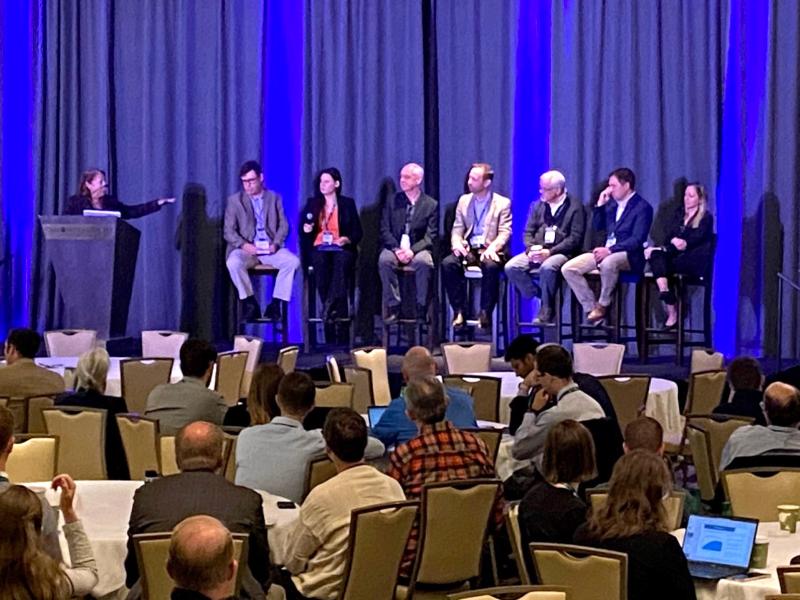
PNNL had a significant presence at October’s North American Wind Energy Academy/WindTech 2023 Conference in Denver, Colorado. Thirteen PNNL wind experts participated in various capacities.
Fiscal year 2023 offered PNNL wind researchers a wealth of opportunity to address wind implementation challenges and expand its support of various federal and state agency wind energy goals.
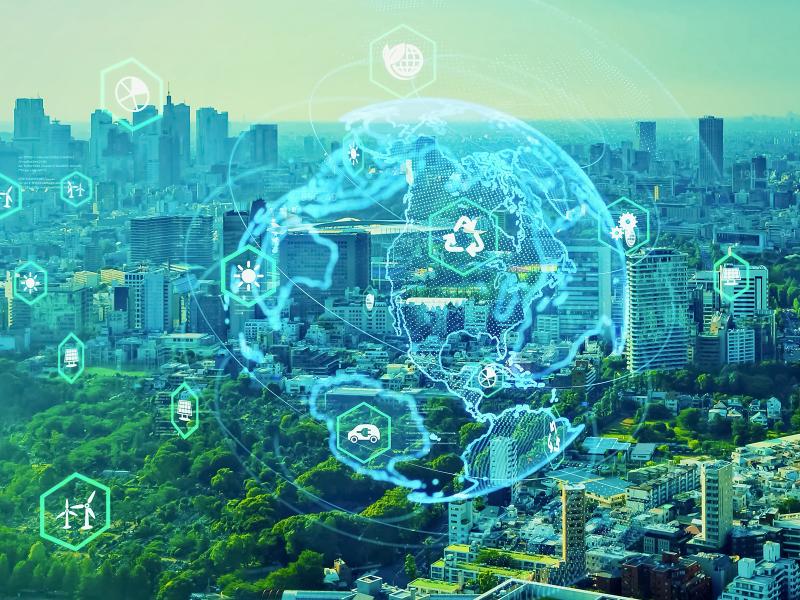
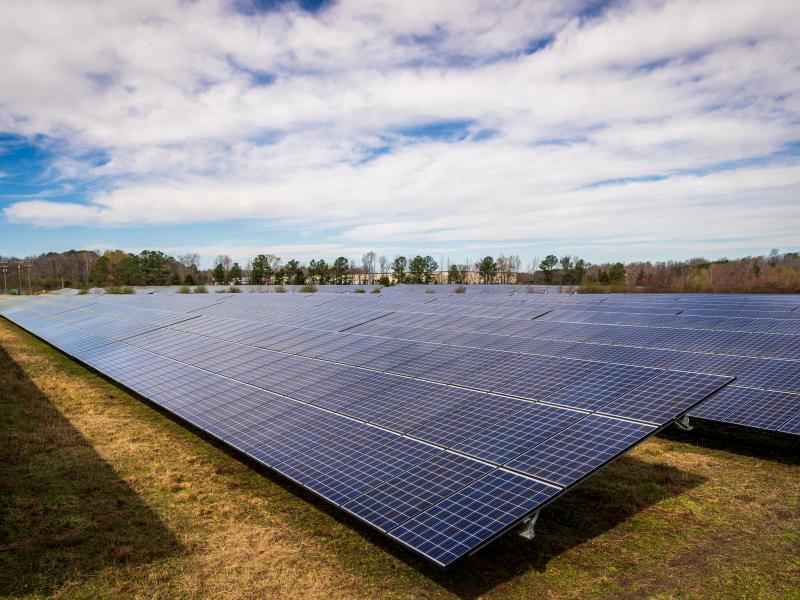
Understanding the risk of compound energy droughts—times when the sun doesn’t shine and the wind doesn’t blow—will help grid planners understand where energy storage is needed most.
Department of Energy’s Advanced Research Projects Agency-Energy selects PNNL project to help accelerate the development of marine carbon dioxide removal technologies.
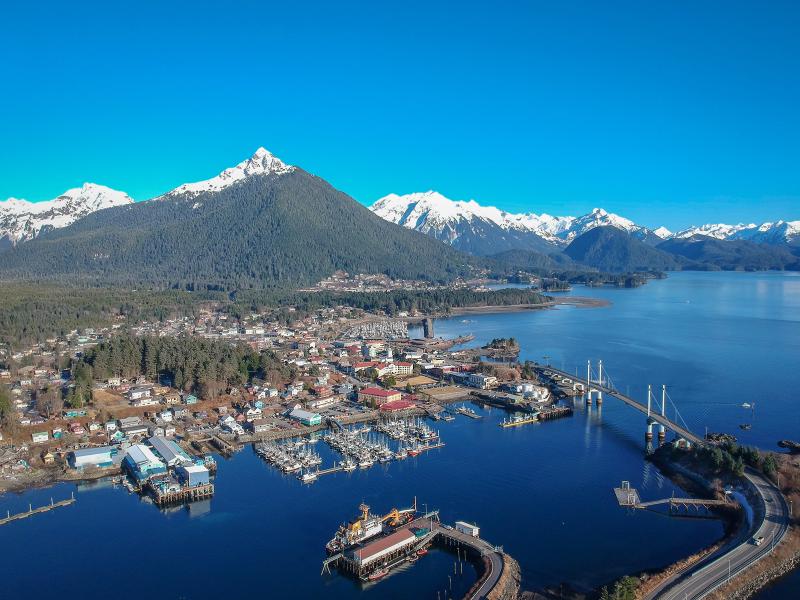
To identify communities ready for marine energy, help them realize their energy resilience goals, and facilitate community leadership in future projects, two national laboratories are developing the Deployment Readiness Framework.
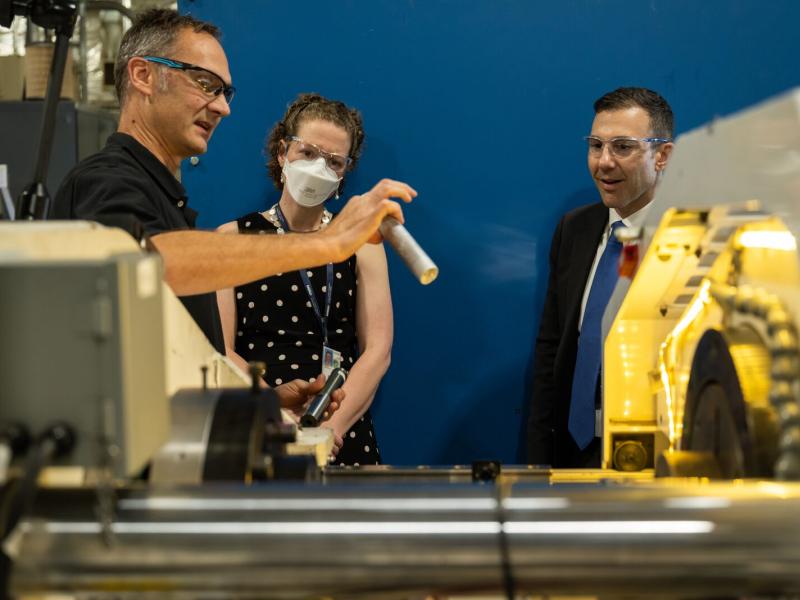
Leaders from the DOE Office of Energy Efficiency and Renewable Energy visited PNNL October 19–20 for a firsthand look at capabilities and research progress.
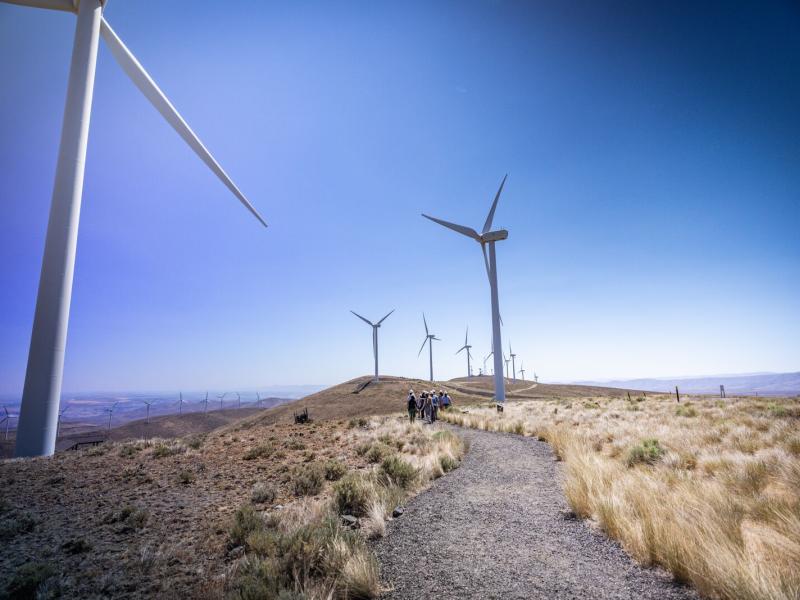
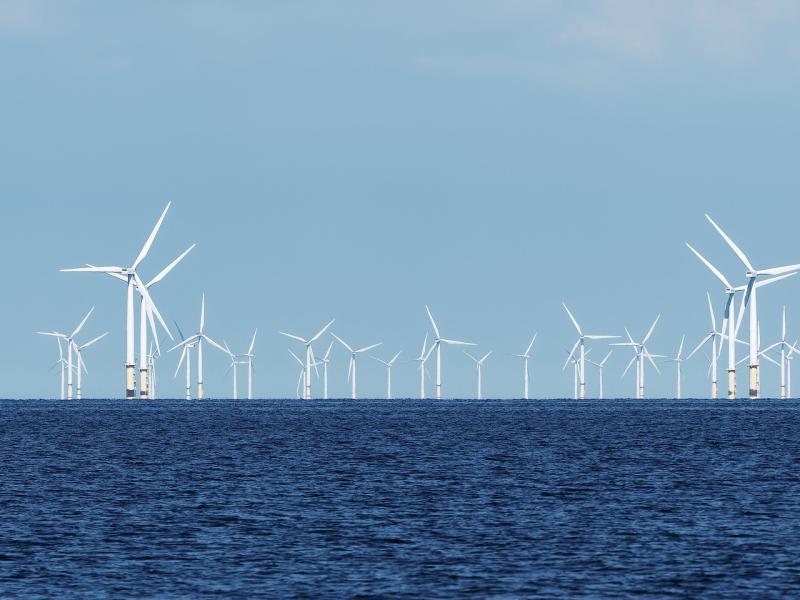
Floating offshore wind farms could potentially triple the Pacific Northwest's wind power capacity while offsetting billions of dollars in costs for utilities, ratepayers, insurance companies, and others.