Organic matter found in vast quantities in oxygen-starved floodplains would yield only minimal energy for hungry microorganisms, which spurn the meal, researchers show in a study in Nature Geoscience.
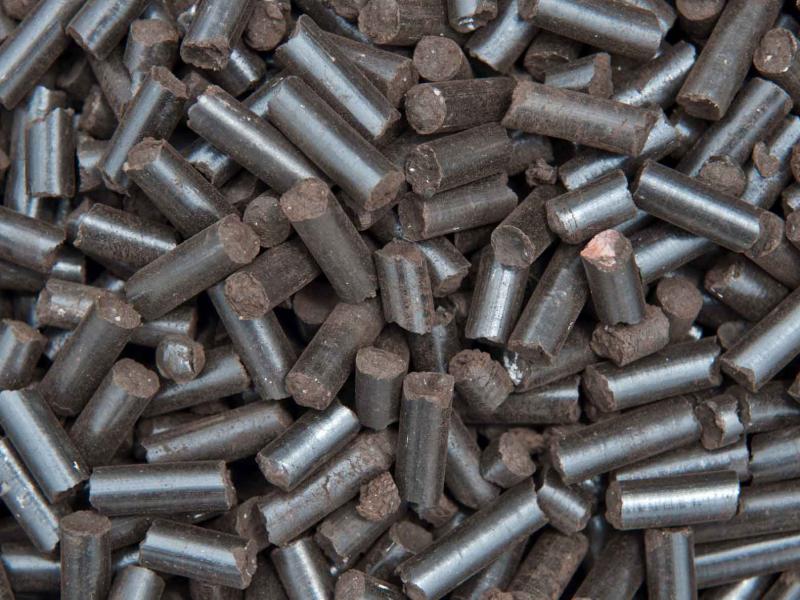
PNNL is collaborating with three small businesses to address technical challenges concerning hydrogen for fuel cell cars, bio-coal and nanomaterial manufacturing.
PNNL scientists have developed a system to convert methane into an energy-rich substance that can be used as the basis for biofuels and even feed for cows that create the gas in the first place.
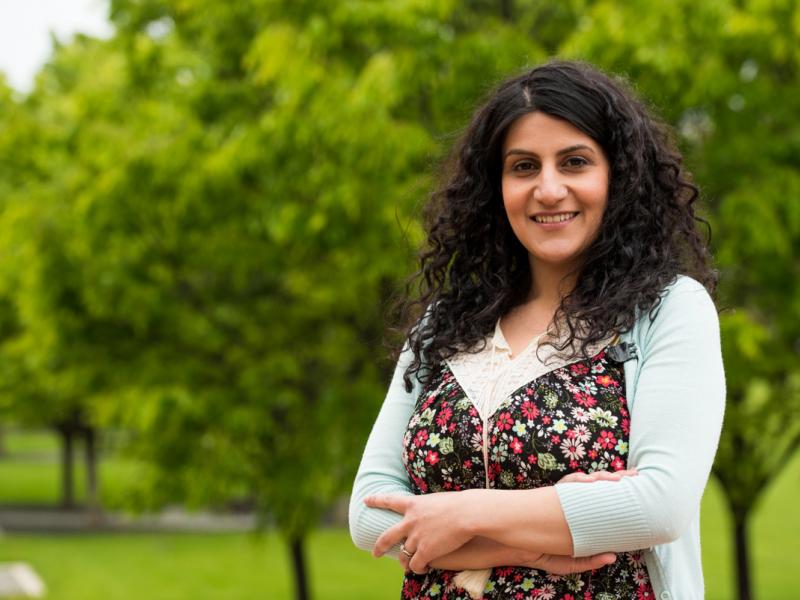
Bo Peng, a Linus Pauling Fellow and molecular sciences researcher at Pacific Northwest National Laboratory, was recognized at the Sanibel Symposium with the Löwdin Postdoctoral Associate Award.
Patients with inflammatory bowel disease are more likely to see dramatic shifts in the make-up of the community of microbes in their gut than healthy people, according to a study published online in Nature Microbiology.
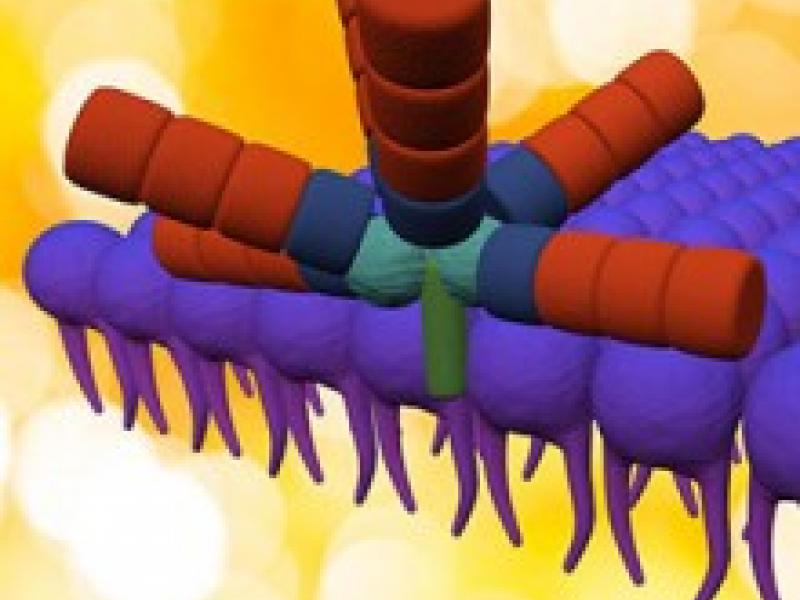
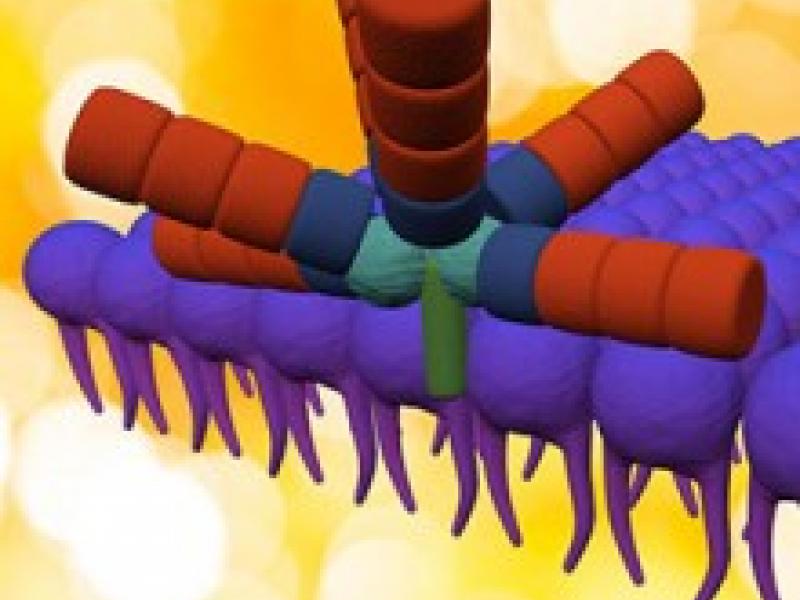
Using a natural catalyst from bacteria for inspiration, researchers have now reported the fastest synthetic catalysts to date for hydrogen production-- producing 45 million hydrogen molecules per second.
PNNL is leading a new, approximately $6 million project to develop a new streamlined process to quickly pare down heaps of algae species into just a few that hold the most promise for making biofuel.