Led by interns from multiple DOE programs, a newly expanded dataset allows researchers to use easy-to-obtain measurements to determine the elemental composition of a promising carbon storage mineral.
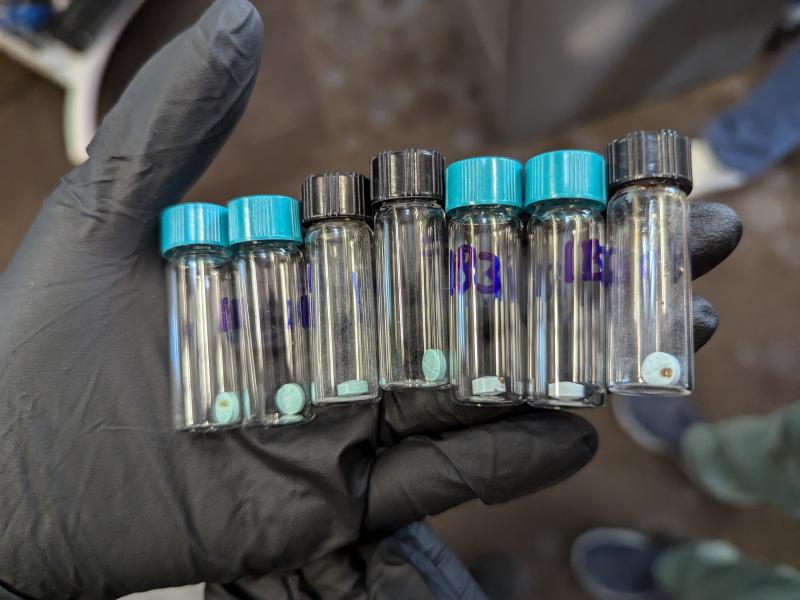
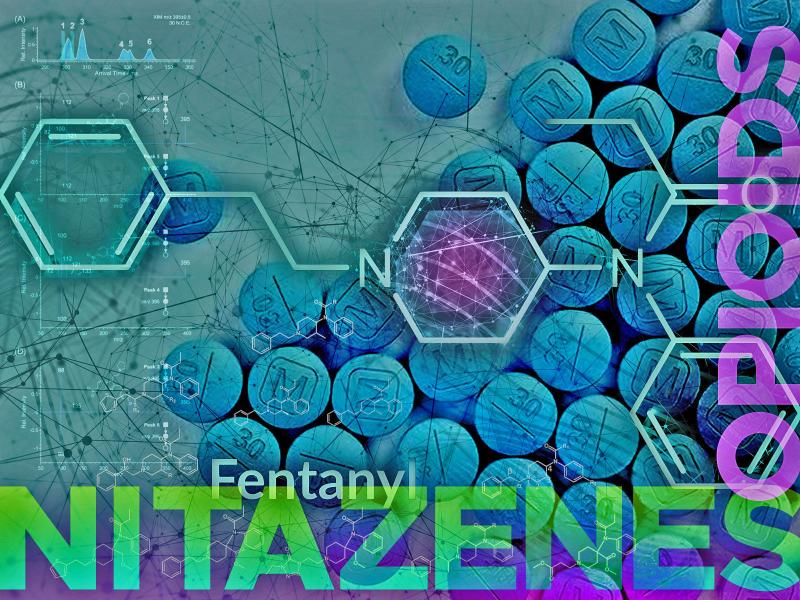
In the latest issue of the Domestic Preparedness Journal, Ashley Bradley and Kristin Omberg share how new research is shedding light on the scientific and technological challenges with detecting fentanyl.
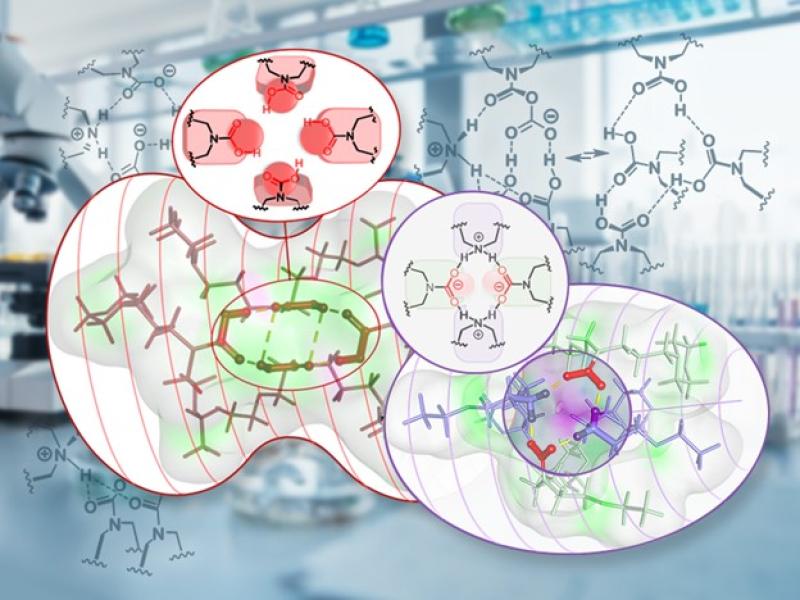
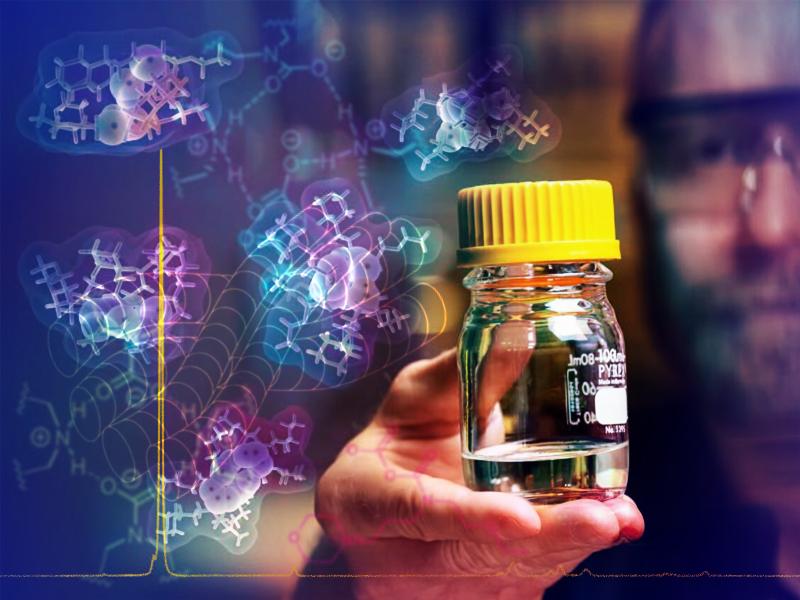
New research investigating water-lean solvents for carbon dioxide capture identifies the unique chemistry possible with their use, may lead to new design principles that move beyond single carbon capture.
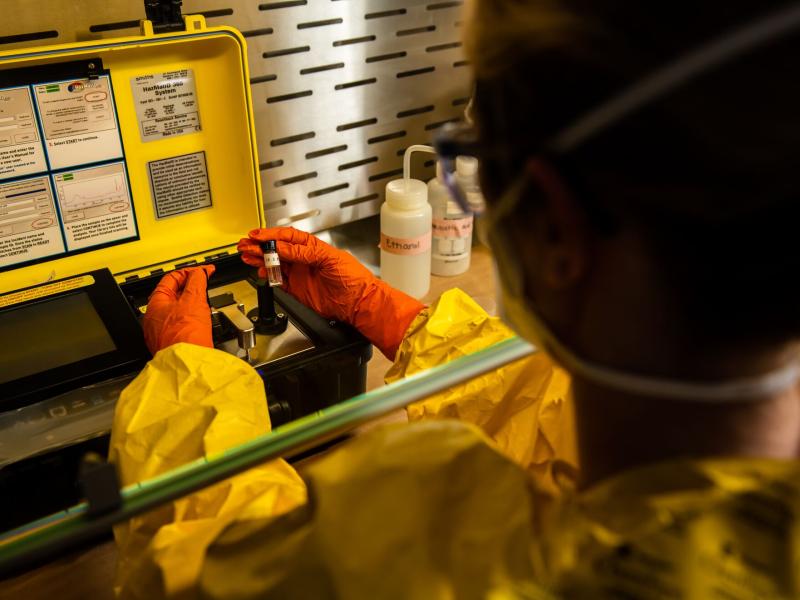
A new report highlights the results of an assessment PNNL conducted of field-portable detection products used by first responders to detect illicit substances like fentanyl in the field.
Department of Energy’s Advanced Research Projects Agency-Energy selects PNNL project to help accelerate the development of marine carbon dioxide removal technologies.
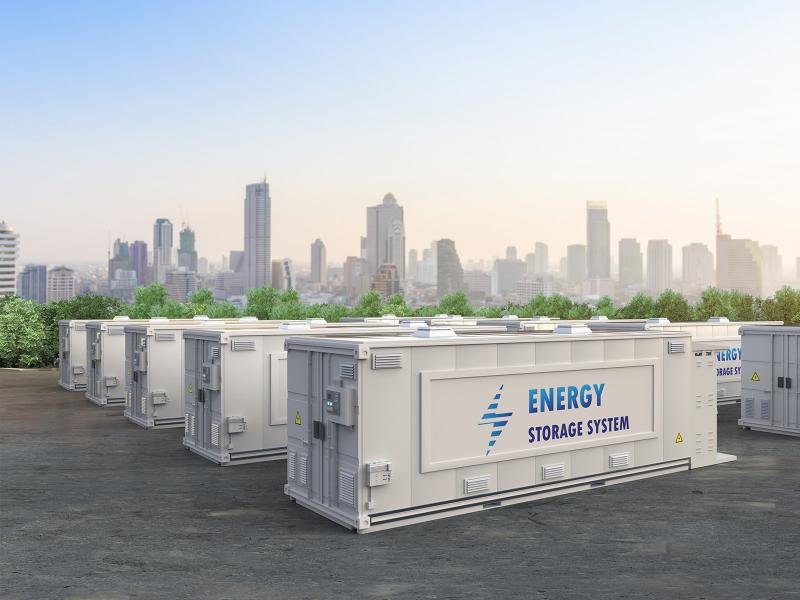
Battery energy storage systems are being proposed in municipalities across the U.S. PNNL researchers can help community planners guide safe siting and operations.
This PNNL project was the focus of Nune’s talk when he delivered the keynote for the Carbon Capture and Utilization track at the 2nd Annual Baker Hughes Energy Frontiers Summit.
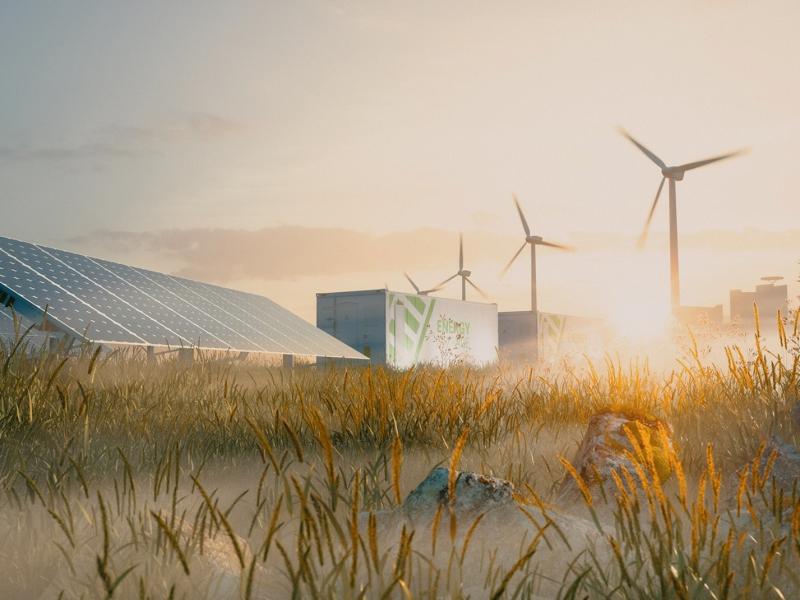
Findings in a new PNNL report show long-duration energy storage will be a necessity in decarbonizing the grid and recommends the planning and procurement process to identify those needs start immediately.
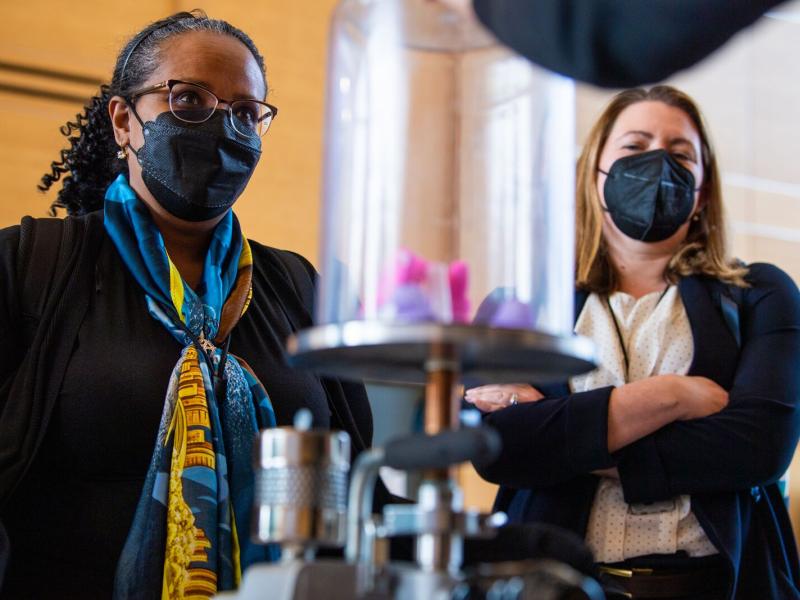
Department of Energy, Office of Science Director Asmeret Asefaw Berhe visited PNNL to learn about the Lab’s drive to conduct discovery science, commitment to science for an equitable future, and development of a diversified STEM workforce.