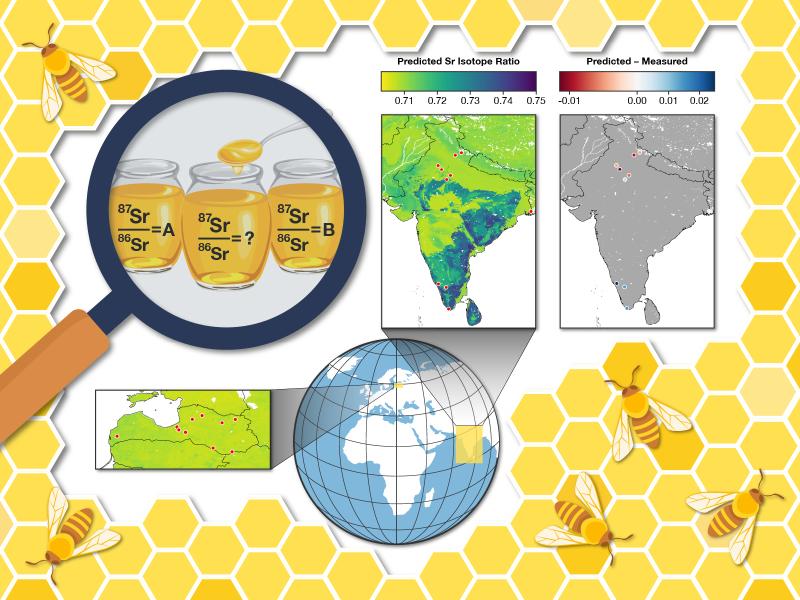
A study by researchers at PNNL assessed the feasibility of using strontium isotope ratios and an existing machine learning–based model to predict and verify a product’s source—in this case, honey.
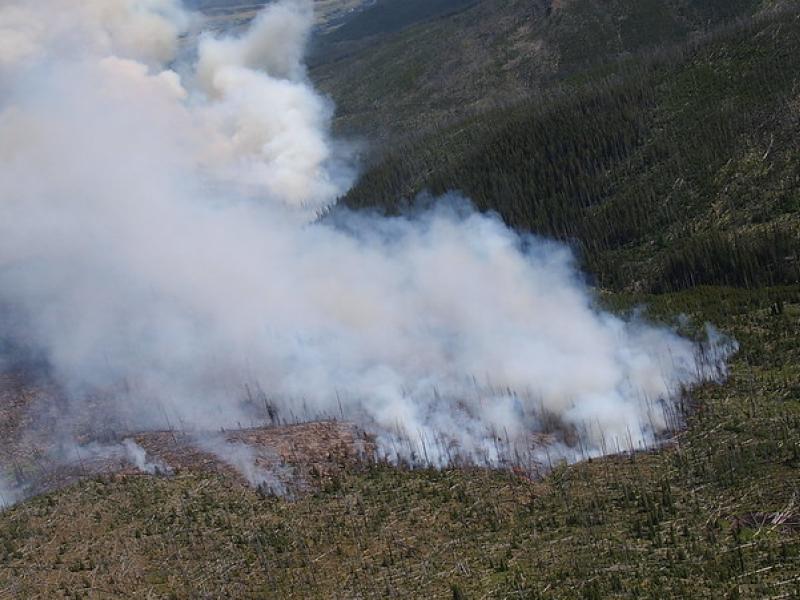
This study used historical data, remote sensing, and aquatic sensors to measure how far wildfire impacts propagated through the watershed after the 2022 Hermit’s Peak/Calf Canyon fire, New Mexico’s largest wildfire in history.
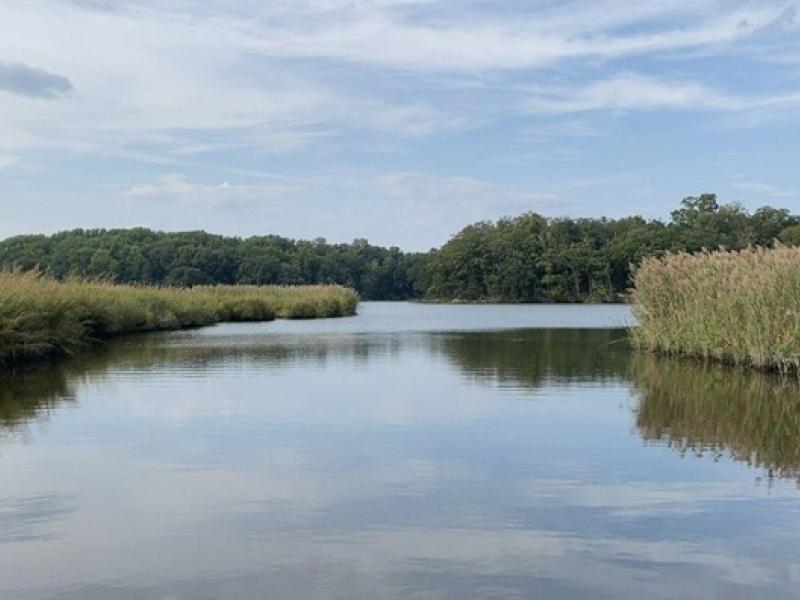
The Coastal Observations, Mechanisms, and Predictions Across Systems and Scales: Field, Measurements, and Experiments project established a network of observational field sites across Chesapeake Bay and western Lake Erie.
PNNL researchers have published their paper, “Introducing Molecular Hypernetworks for Discovery in Multidimensional Metabolomics Data,” in the Journal of Proteome Research.
Lauren Charles, a chief data scientist at PNNL, showcased the vital research coming out of her program at The National Academies Forum workshop in Washington, D.C., January 15–16, 2025.
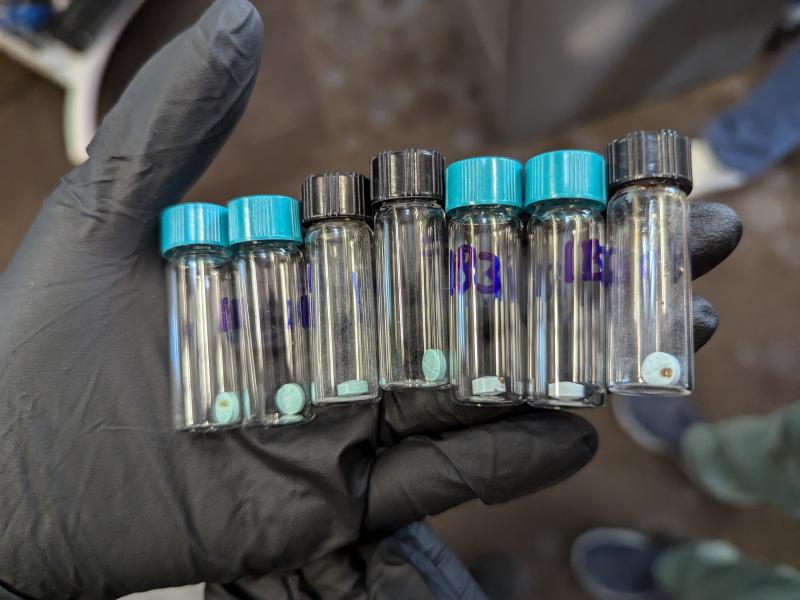
PNNL’s year in review includes highlights ranging from advancing soil science to understanding Earth systems, expanding electricity transmission, detecting fentanyl, and applying artificial intelligence to aid scientific discovery.
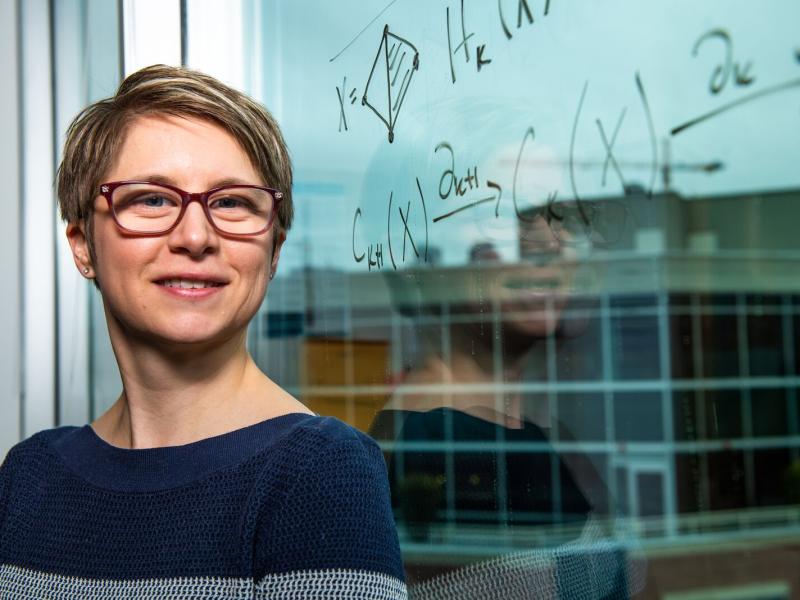
A team of researchers at PNNL is developing a new approach to explore the higher-dimensional shape of cyber systems to identify signatures of adversarial attacks.